Year 19 of the Church Partnership Program in Papua New Guinea
Since 2004, the governments of Australia and Papua New Guinea (PNG) have worked in partnership with PNG’s seven mainline churches and their respective Australian partners to promote ‘holistic, inclusive, and sustainable development’ under the Church Partnership Program (CPP).
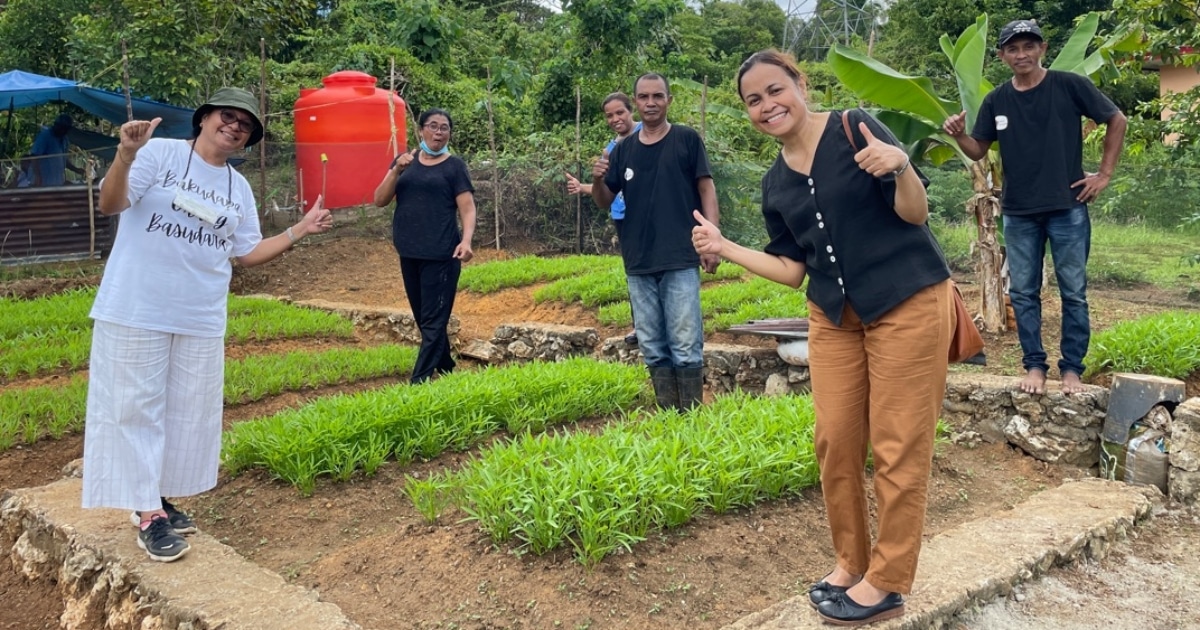
UnitingWorld and our partner, the the United Church in Papua New Guinea (UCPNG), have been part of the CPP since its beginning. It is now one of the longest ongoing projects of Australia’s aid program. The CPP supports churches to improve their capacity to deliver crucial health and education services, especially in rural and remote areas, as well as a broad range of activities in support of gender equality and social inclusion, peace and prosperity, and disaster risk reduction.
In 2004 it was acknowledged that half the health and education services in PNG were run by churches and church-based agencies. Today it’s closer to 70 percent!
As a result, the CPP’s new phase aims to shift the emphasis from a service delivery model to a social accountability model, recognising that the PNG government needs to be held responsible and that it needs to have the capacity to deliver vital services to its people.
“The new focus of the CPP is about empowering civil society to hold their government to account to provide the country’s health and education services,” said UnitingWorld Head of Programs Peter Keegan. “To do that requires the kind of broad-based collaboration that already exists between churches via the CPP.”
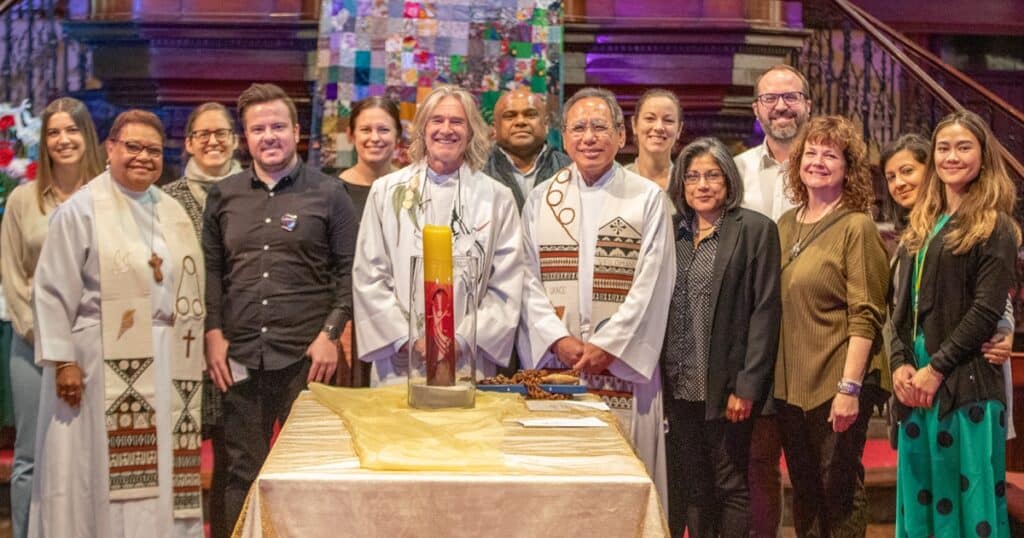
Peter joined other CPP member churches in Port Moresby recently for a two-day forum to “Rethink development in PNG through theological principles and effective governance”.
Speaking at the forum, the Australian High Commissioner to Papua New Guinea Jon Philp reflected: “Church networks and activities are often seen as a lifeline for the country’s most remote and disadvantaged communities, and they are equally important to PNG’s growing urban population. The success of the Church Partnership Program relies on the reach and impact of this network, along with the collective commitment of the churches, government, the private sector, civil society, and other partners.”
United Church in PNG leading the way on gender equality and social inclusion
One of the remarkable successes of the CPP is that through the partnership, despite each of the seven church denominations in PNG having very different theological and organisational cultures and traditions, they are working together to change lives.
UCPNG is the lead agency on Gender Equality Theology and social inclusion within the CPP and is determined to keep this central to their church’s mission.
As PNG remains one of the most dangerous places in the world to be a woman or girl, the task of shifting cultures of men’s violence is a huge, long-term challenge.
The CPP has a critical role to play. Representing 71 percent of the country’s Christian population, CPP member churches wield enormous social influence.
The current phase of the project aims to better leverage the influence of church leaders and increase the community outreach of churches to shift negative gender and social attitudes that are commonly held in PNG towards women, people with disabilities and other socially excluded groups.
Working with media partners, churches will be helped to develop media engagement strategies that enable them to engage multiple forms of media (print, radio, digital) more effectively to maximize the reach and influence of messages of gender equality and anti-violence.
The CPP will also be tracking changes to community attitudes to be able to demonstrate the impact. We’re excited to see the results!
|
Please pray for the vital mission of the Church Partnership Program as it enters its 20th year of faithful collaboration to improve lives and communities. For more details on the new phase of the CPP in Papua New Guinea, visit www.unitingworld.org.au/projects/church-partnership-program |
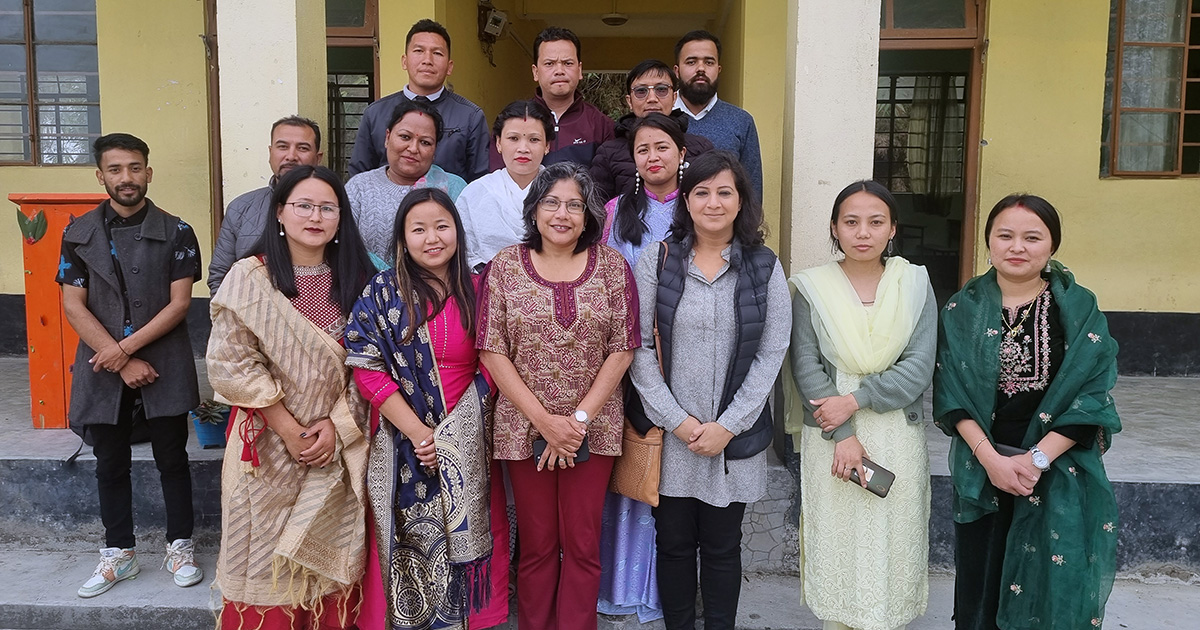
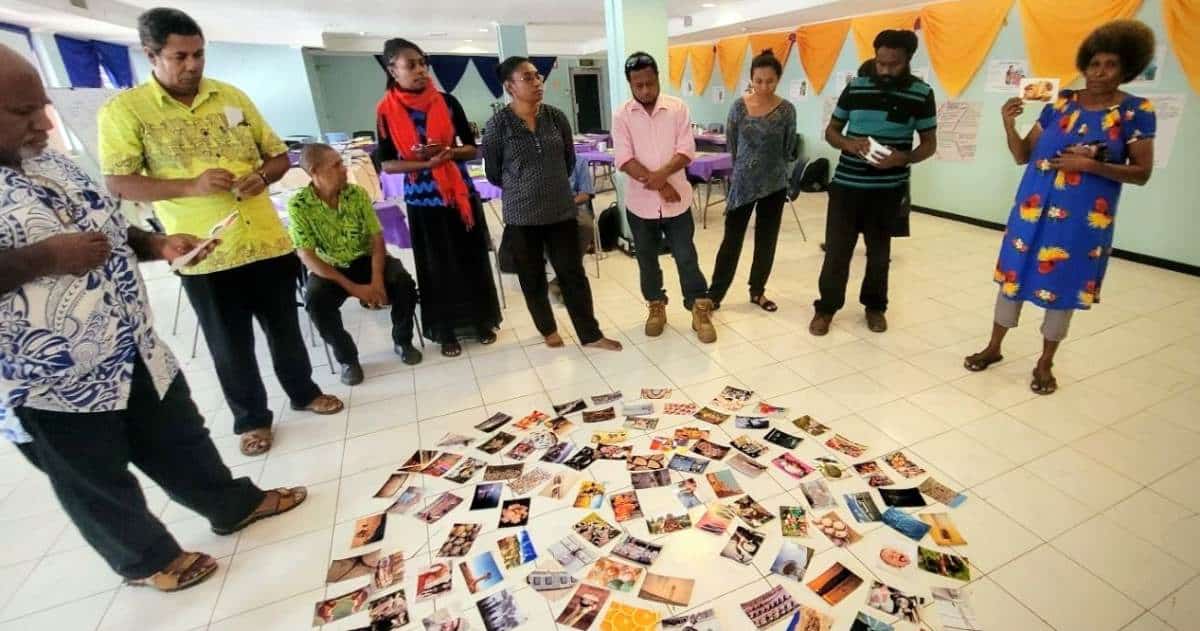
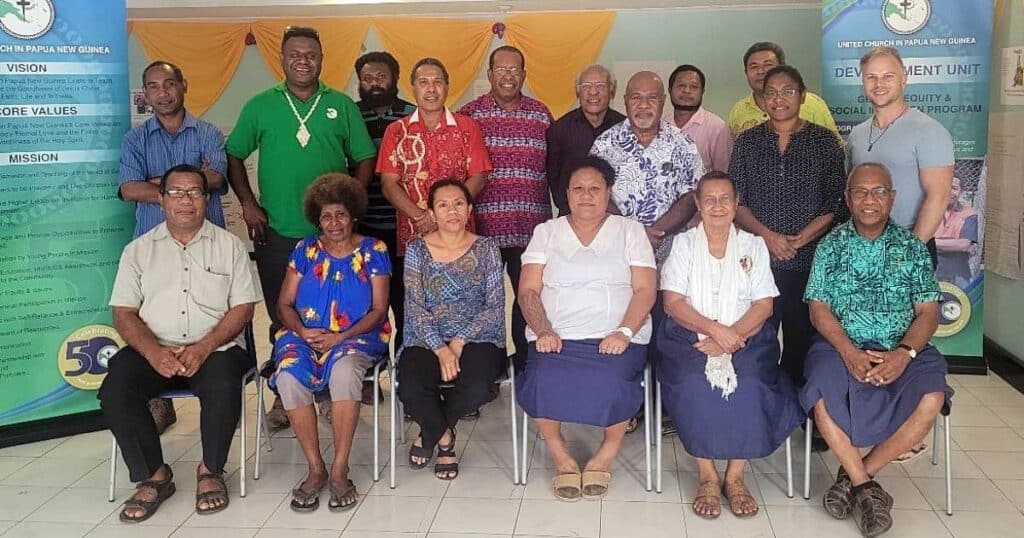 Photos: UCPNG staff at a recent workshop and talanoa on the impacts of gender-based violence in PNG.
The Church Partnership Program is supported by the Australian Government
through the Papua New Guinea–Australia Partnership.