
Resilient, Inclusive and Safe Communities in Fiji
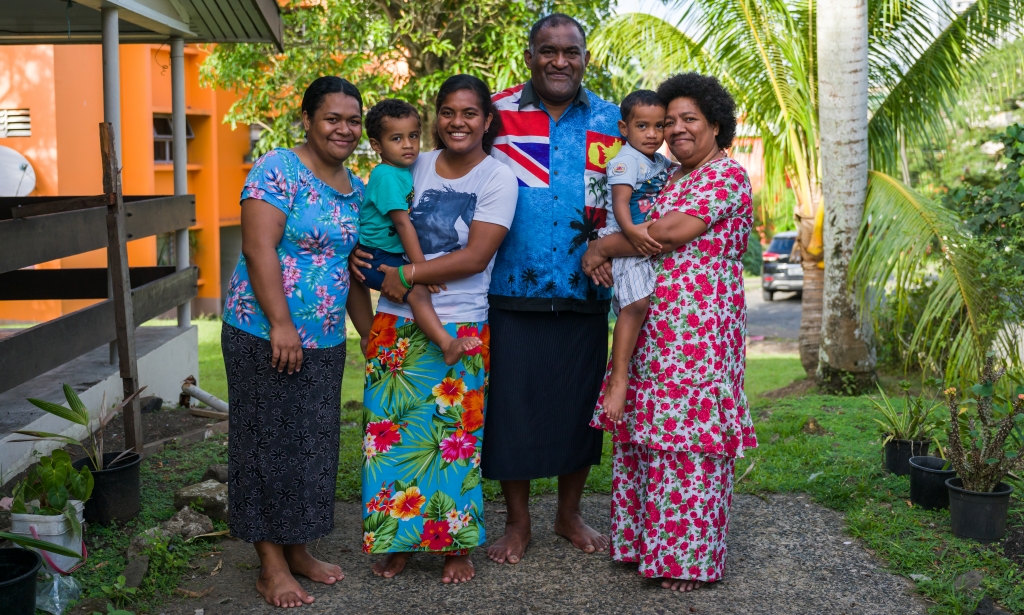
Through this project, our partner, the Methodist Church in Fiji, is working to ensure churches and communities provide safe and inclusive environments for women, children and other vulnerable groups, and to support churches and communities to be prepared to respond to and recover from natural disasters.
Safe communities for everyone
Gender equality, safeguarding and anti-violence is being built into MCIF policies, guidelines and training resources, such as the development of Sunday School and Youth curricula, premarital counselling resources, lectionaries for Family Week and 16 Days of Activism against Violence Against Women and Girls, the church’s first disability inclusion policy, and a Women in Church Leadership policy.
Gender equality is being actively promoted in communities through Family Life Institutional Transformation (FLIT) community awareness and train the trainer activities. This builds on the previous years of Gender Equality Theology – institutional Transformation (GET-IT) work, but the new name better reflects the focus on children and young people, and the MCIF approach of engaging men and boys along with women and girls.
Resilient and prepared
To help communities prepare for disasters and become resilience to the effects of climate change, MCIF is using the Theology of Disaster Resilience in a Changing Climate (TDRCC) and Community-Based Disaster Risk Management (CBDRM) frameworks, rolling out training and action planning throughout the country. Stockpiles of relief supplies are being prepared in key locations and pastoral counselling capacity is being developed through the Disaster Recovery Chaplaincy Network.
“We’re so grateful for our partnership with the Uniting Church in Australia because you helped the church kickstart disaster preparedness across the community, and now we’re working to embed the impact in ways that stick, using theology and indigenous wisdom. Vinaka.”
Rev Tomasi Jale, TDRCC Coordinator, Methodist Church in Fiji
Work in FY26
3,029
people trained about climate related hazards and disasters
181
people trained in the theology of development and humanitarian response
330
people learned about gender issues and women’s equal rights
112
people received training in disability awareness and inclusion
“As I looked deep into the theology, it was something that transformed me: The way I see the world, the way I see my wife and my children and the way I see others. When we go out from the right interpretation of the Bible, that men and women were created in the image and likeness of God, that does not allow you to do any harm or abuse to anyone.”
Rev Noa Turaganivalu, MCIF
Our partner
The Methodist Church of Fiji and Rotuma is the largest Christian denomination in Fiji. Along with the chiefly system and the Fijian government, the Methodist Church forms a key part of Fiji’s social power structure.
MCIF has its roots in the first missionary work in 1830, when Tahitian teachers from London Missionary Society arrived. The Australian-based Wesleyan Missionary Society commenced work in 1835. The Methodist Church of Fiji and Rotuma is a member of the World Council of Churches, the Pacific Conference of Churches, the Fiji Council of Churches and the World Methodist Council.
Acknowledgement
This project is supported by the Australian Government through the Australian NGO Cooperation Program (ANCP).
Stories from our partners
More stories from Fiji.
New devotional series for 16 Days of Activism Against Gender-Based Violence
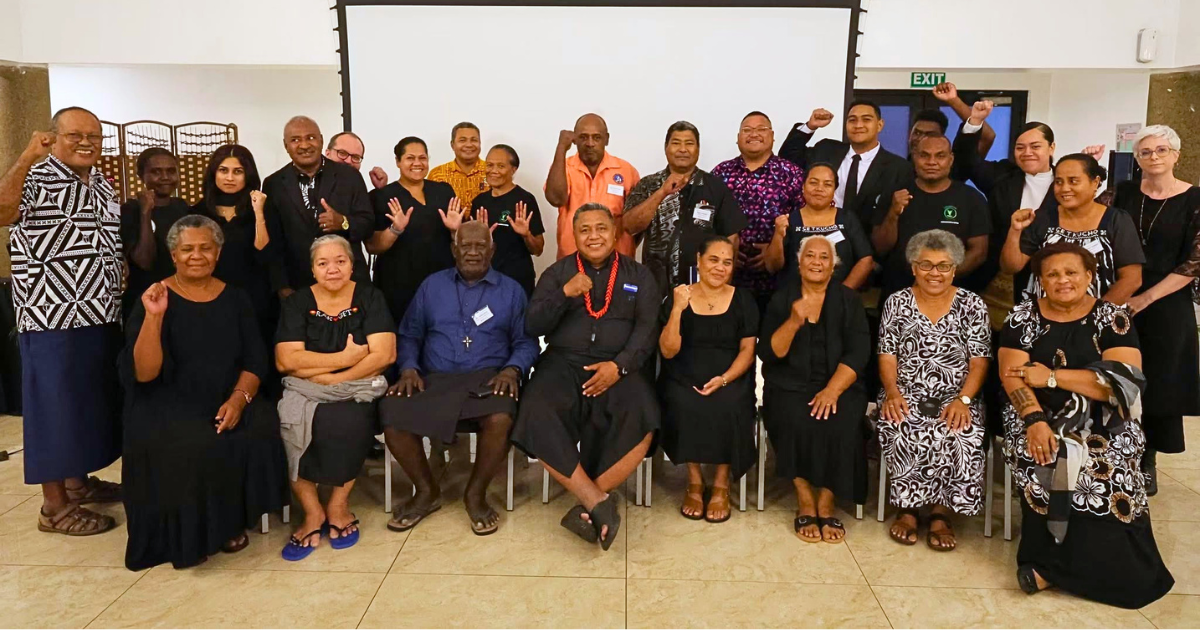
UnitingWorld is thrilled to announce the launch of a new devotional series developed by Pacific church and faith leaders in collaboration with UnitingWorld: 16 Days of Devotions: A devotional series for use during the 16 Days of Activism Against Gender-Based Violence.
Deepening our impact on gender justice
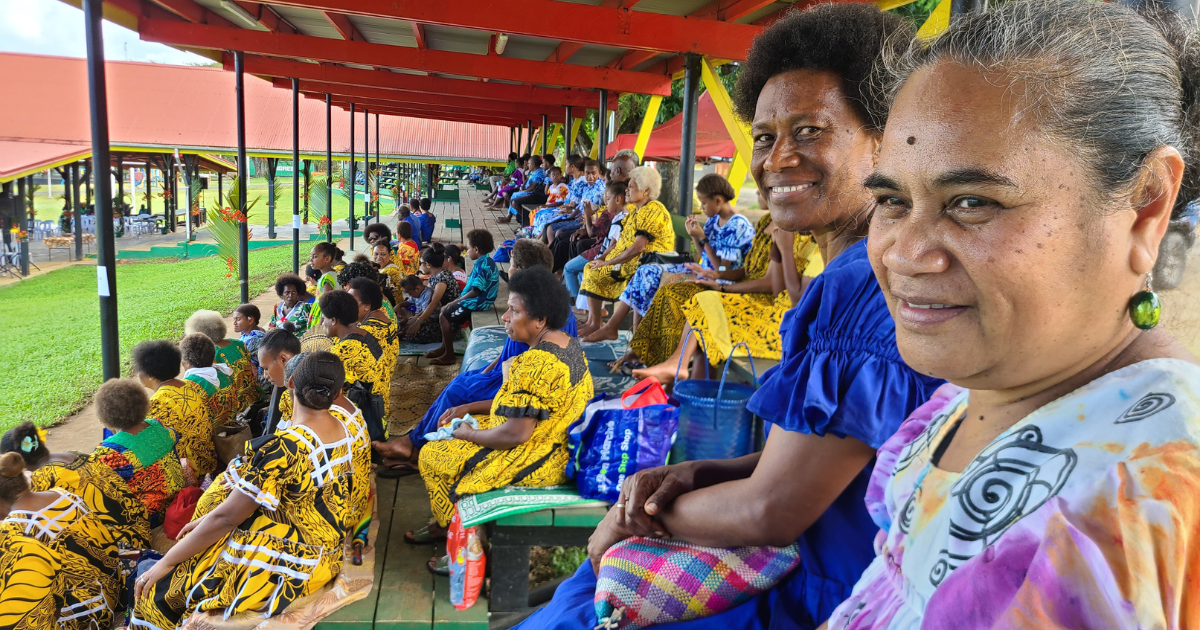
It’s the ten-year anniversary of the Gender Equality Theology resources, which ignited a collaborative movement across the Pacific Church. That movement has been working to reshape how families and intimate partners across the region share power, partnership and faith ever since.

Pacific Partners gather in Fiji to share knowledge, strengthen solidarity
20–24 April 2026 | Nadi, Fiji Church and community partners from across the Pacific came together in Nadi, Fiji this week for UnitingWorld’s Pacific Regional Forum 2026, a week of listening, learning and renewing commitment to shared mission. Participants joined from Fiji, Papua New Guinea, Tonga, Vanuatu, Solomon Islands, Tuvalu, Kiribati and Samoa, alongside UnitingWorld […]

Pasifika churches unite to drive gender equality and safety
UnitingWorld launches regional initiative to support faith-led collaboration on gender justice UnitingWorld and its church partners in the Pacific have launched the Oceania Faith Communities Advancing Safety and Equality project, with support from the Pacific Women Lead at the Pacific Community (PWL at SPC) program. Each of our church partners brings unique strengths to efforts […]
Methodist Church in Fiji adopts groundbreaking disability and disaster management policies
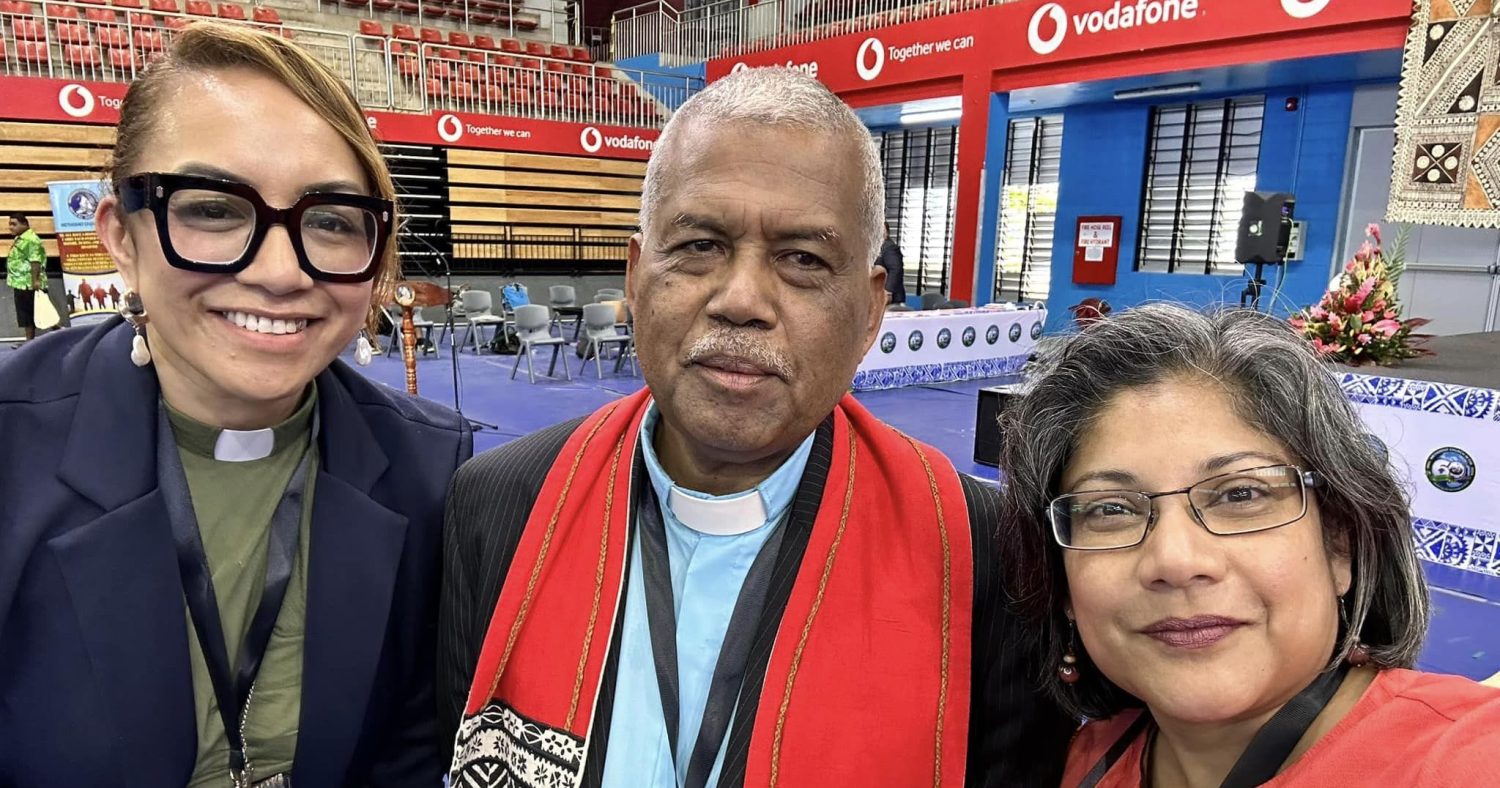
The Methodist Church in Fiji (MCIF) has adopted policies to ensure church-wide approaches to inclusion of all people with disabilities, and to build the capacity of the church to prepare for and respond to disasters. The first of their kind, the MCIF Disaster Risk Management Policy and MCIF Disability Inclusion Policy were adopted at the […]
Faith that transforms violence: Rev Noa and the power of Gender Equality Theology
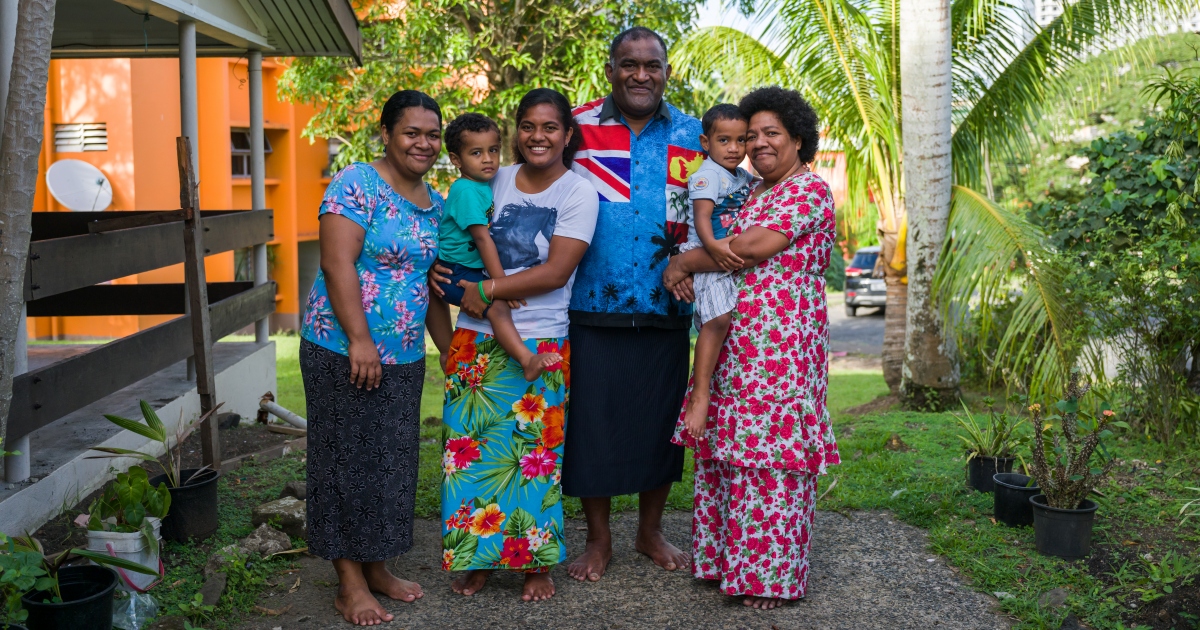
Growing up, Rev Noa Turaganivalu had a typical life for a boy in Fiji. He was raised in a rural village on a small, remote island, played a lot of rugby and went away to a boarding school (where he played more rugby). And as the only son in a family of six, he was […]