Safety and Inclusion in Zimbabwe
In rural Zimbabwe, climate change and droughts are cutting harvests and leaving families short of food and water. Too many children are unsafe at school or at home, and children with disabilities and girls are too often left out.
What we do
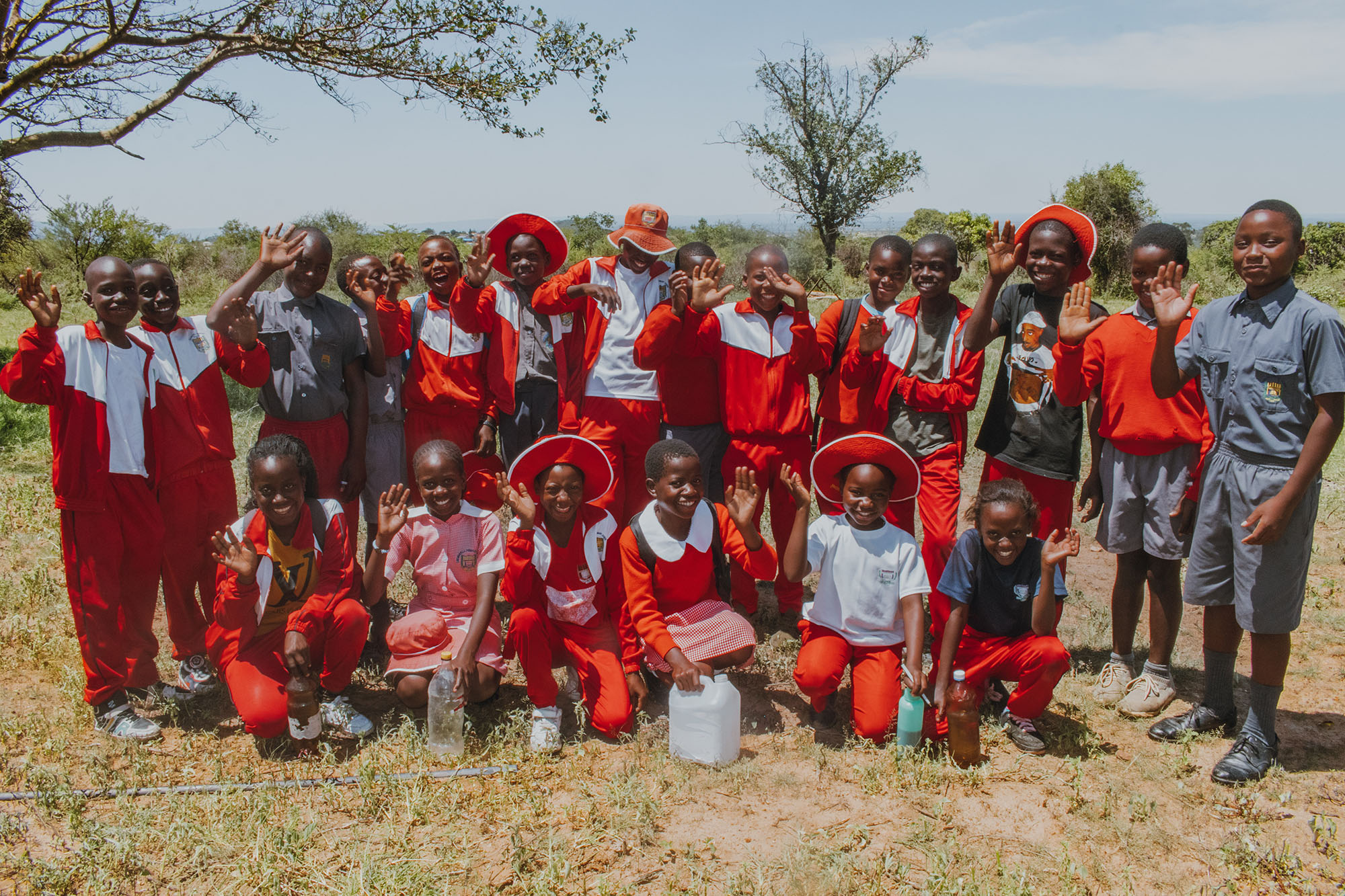
The Methodist Church in Zimbabwe, through its Methodist Development and Relief Agency (MeDRA), uses its schools as hubs for climate resilience, safety and inclusion. Solar-powered bores and school gardens bring water and food to drought-affected communities, and students learn climate-smart gardening.
MeDRA’s Rev Junior Paradza says that since the bore was installed, people can keep crops growing and feed their families. Felistas, a single mother of three, once carried water over three kilometres every day. The school water supply and garden offer her more than proximity, they offer hope: knowing her children eat healthy meals at school, she says, “gives me peace of mind.”
Teachers, students and parents also learn how to keep children safe, with clear ways to report concerns, parenting sessions for caregivers and trained local counsellors. Schools are being made accessible for children with disabilities, and church and community men and women talk openly about gender, so girls and boys, women and men are treated with respect.
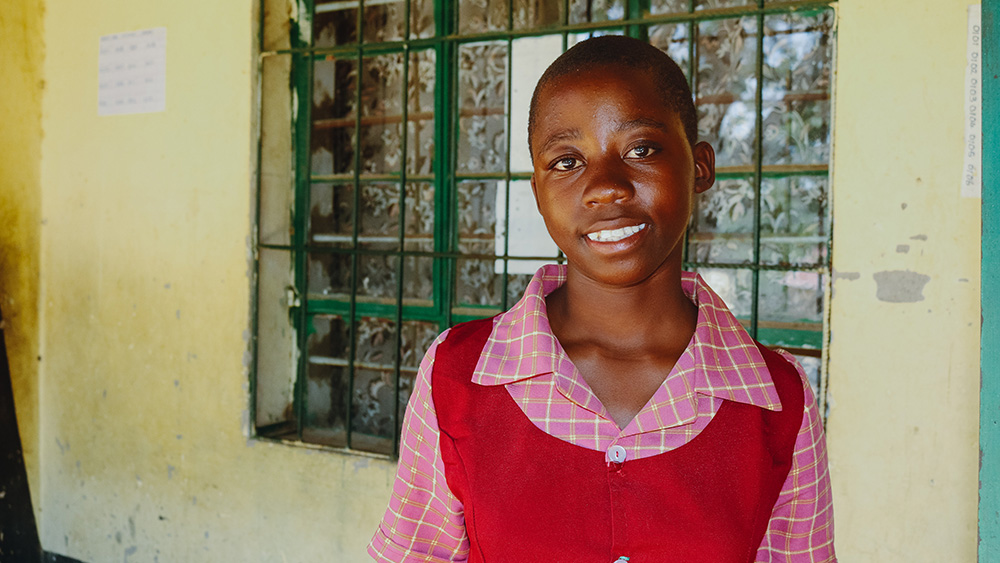
It’s so hard to concentrate in class when you’re hungry. When we got water at school, we could grow vegetables for lunch and learn how to do it at home too. I want to share it with my mother so we can eat better and sell some to earn money.”
Tanaka from rural Zimbabwe
Our partner
The Methodist Church in Zimbabwe has deep roots in its communities and a long history of faithful service to its neighbours. MeDRA, its development and relief agency, leads this work, building on a first phase that brought gender justice, safeguarding and disability inclusion into the life of the whole church.
Acknowledgement
This project is supported by the Australian Government through the Australian NGO Cooperation Program (ANCP).
Stories from our partners
More stories from Zimbabwe.
Hope grows in schools
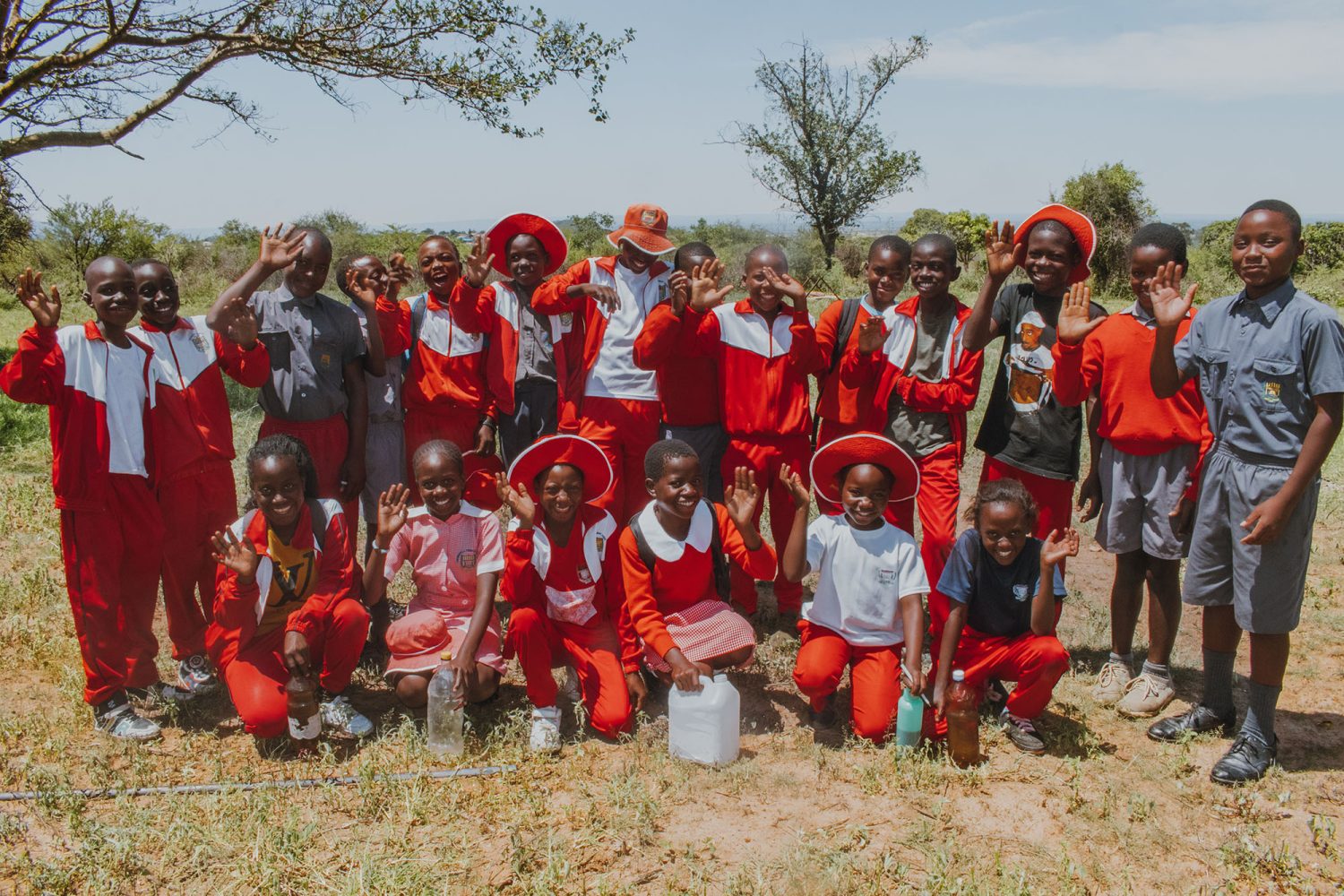
Across rural Zimbabwe, families are facing long droughts, food insecurity and lack of clean water. Supported by UnitingWorld, the Methodist Church in Zimbabwe (MCZ) has begun working in schools to transform what is possible for children and families in poverty.
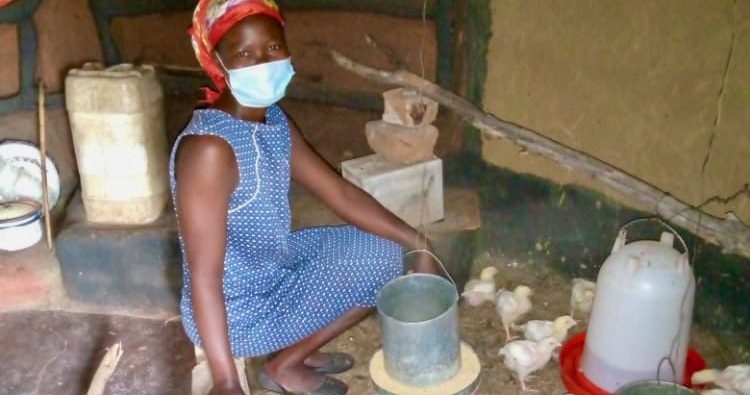
Community microfinance improving economic security in Zimbabwe
In Zimbabwe, COVID-19 and its impacts severely disrupted livelihoods and expanded the number of extremely poor by 1.3 million in 2020. Ongoing lockdowns and the health crisis have drastically contracted people’s opportunities for earning an income, especially those in the majority informal workforce. Australian NGO Cooperation Program (ANCP) NGO UnitingWorld and its partner MeDRA (Methodist Development […]
How your gifts are meeting urgent needs in Zimbabwe
We’ve just been in touch with our partners from the Methodist Church of Zimbabwe and heard the very sad news that four ministers have died from COVID-19 in just a few short weeks. Zimbabwe has been experiencing a second COVID-19 wave, with more cases in January than all of 2020 combined. Gathering for worship is […]
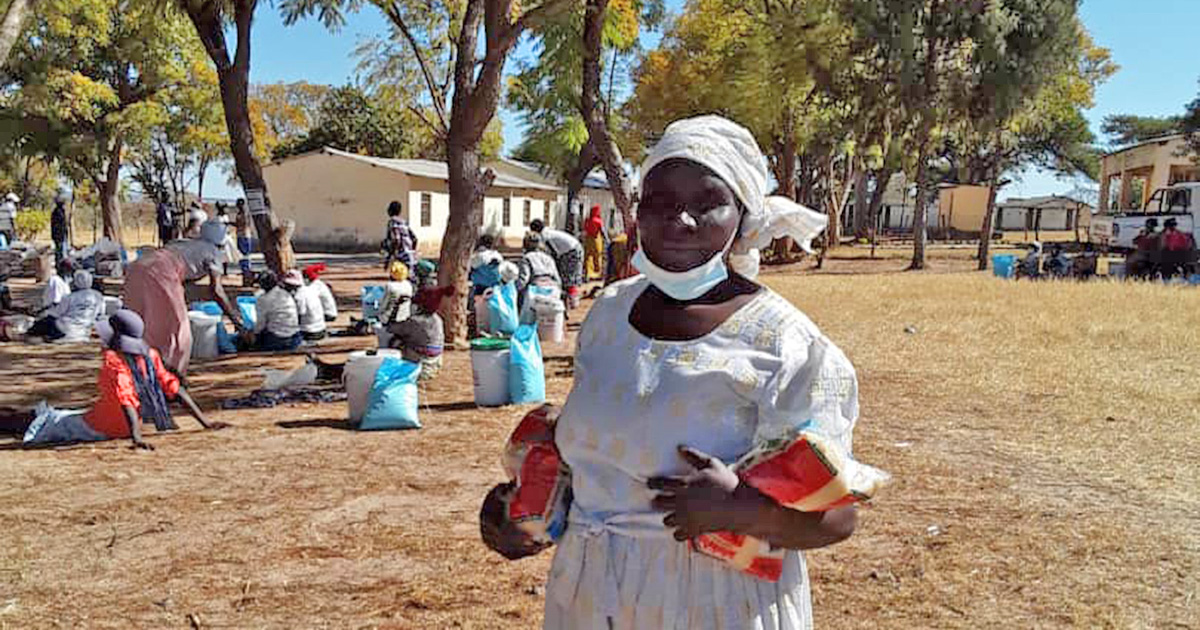
Keeping hope alive in rural Zimbabwe
Families in Muzarabani and Gokwe Districts in rural Zimbabwe were looking forward to being financially independent this year, but when COVID-19 lockdowns hit, their livelihoods selling produce at local markets evaporated like rain on the dusty road. Run by the Methodist Church in Zimbabwe through the Methodist Development & Relief Agency (MeDRA) and supported by […]
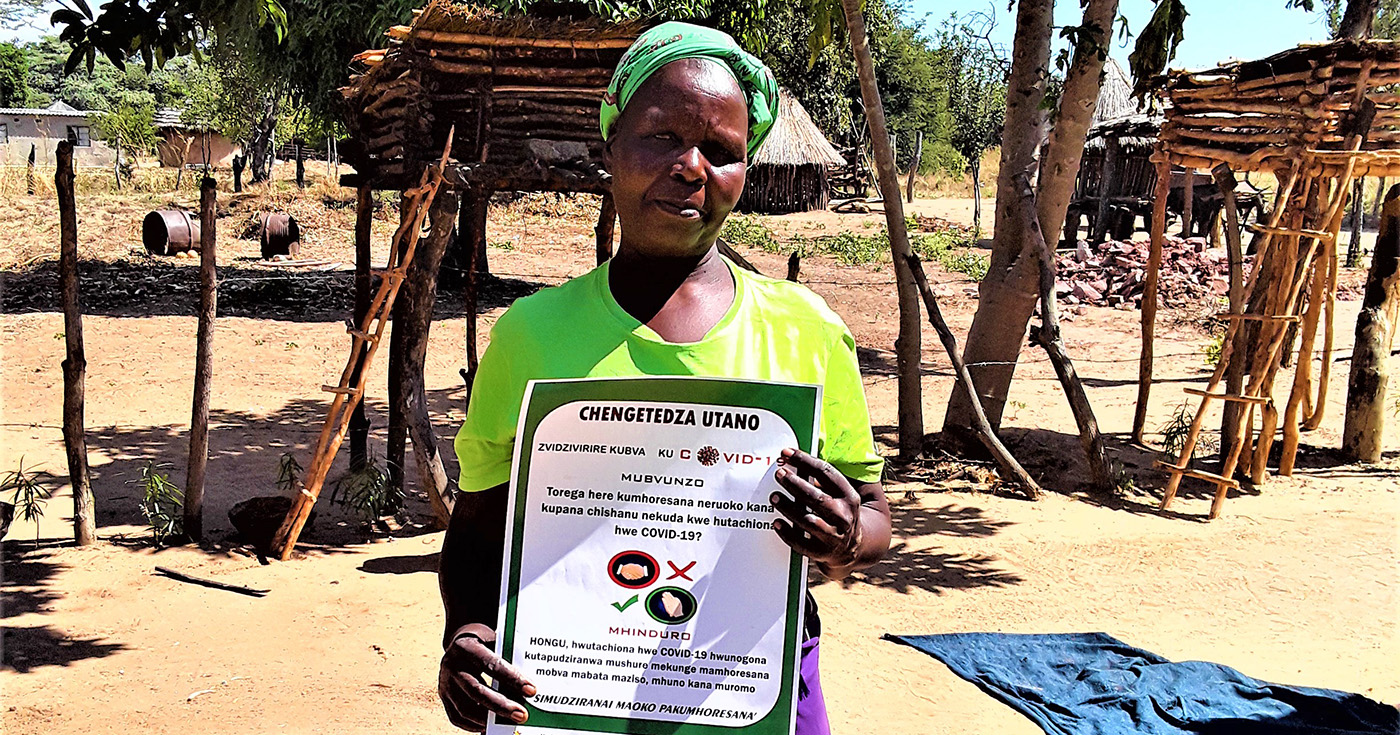
Anna’s story: hearing and doing in Zimbabwe
My name is Anna and I am 58 years old. I live in Gokwe South. I’m a proud member of a group started by the Methodist Church of Zimbabwe Relief and Development (MeDRA) in 2017. Our group is called kunzwa nekuita which means ‘hearing and doing’. As well as education about health and hygiene, we […]
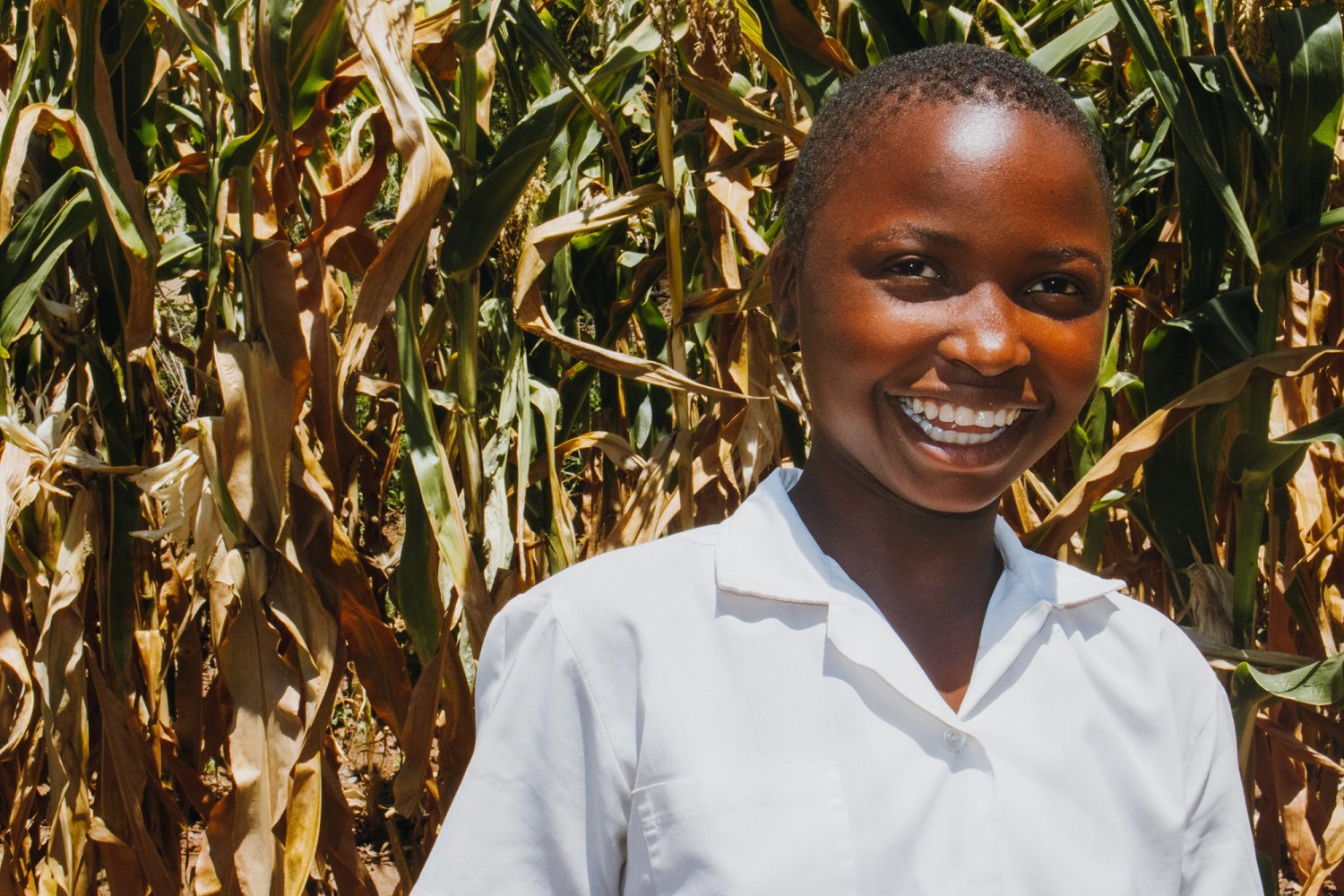
Help keep children in Zimbabwe safe, included and fed
Your gift helps the Methodist Church in Zimbabwe make its schools safer, more inclusive and a source of water and food for the whole community.