A family in Timor-Leste faces hunger as climate change disrupts the land they depend on, but finds hope through partnership and faith.
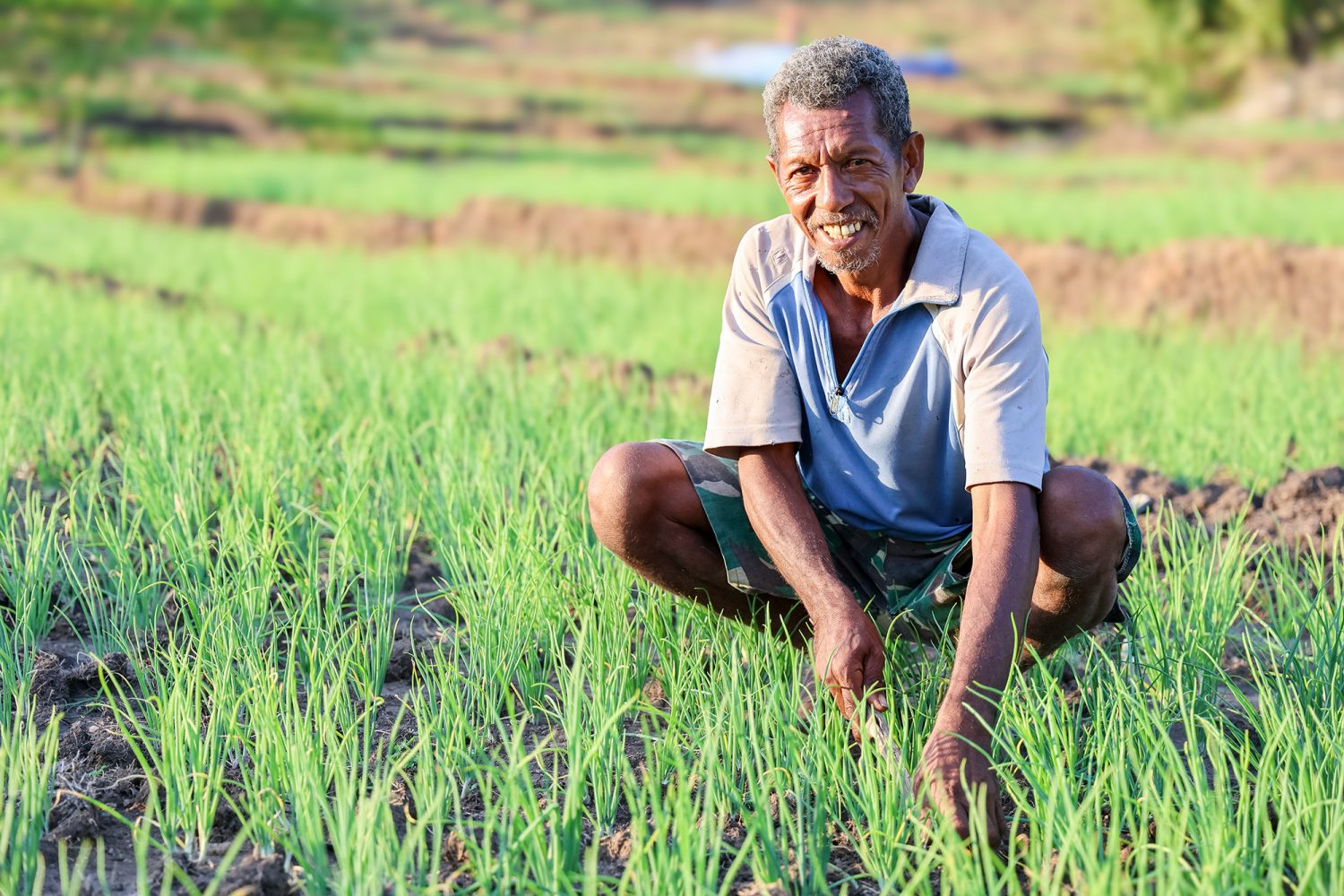
Manuel wakes before dawn each day in the Oecusse region of Timor-Leste. While the air is still cool, he lights a small fire to cook breakfast for his family. Then he begins the long walk to his garden, carrying tools that have been passed down and repaired many times over.
For generations, Manuel’s family has lived from this land. They have known when to plant, when to harvest, when to rest. The seasons once kept their promises.
But in recent years, those rhythms have begun to unravel.
Climate change has brought longer dry spells, intense heat, and rain that arrives at the wrong time. Crops that once grew reliably now fail without warning. When the vegetables died in the ground, there was nothing to sell at the market and no money for rice, oil or medicine.
“We planted and the rains didn’t come, so the crops died. We had no money to buy more, so for a time we went hungry. Angelina and I just ate one meal so the children could have two.”
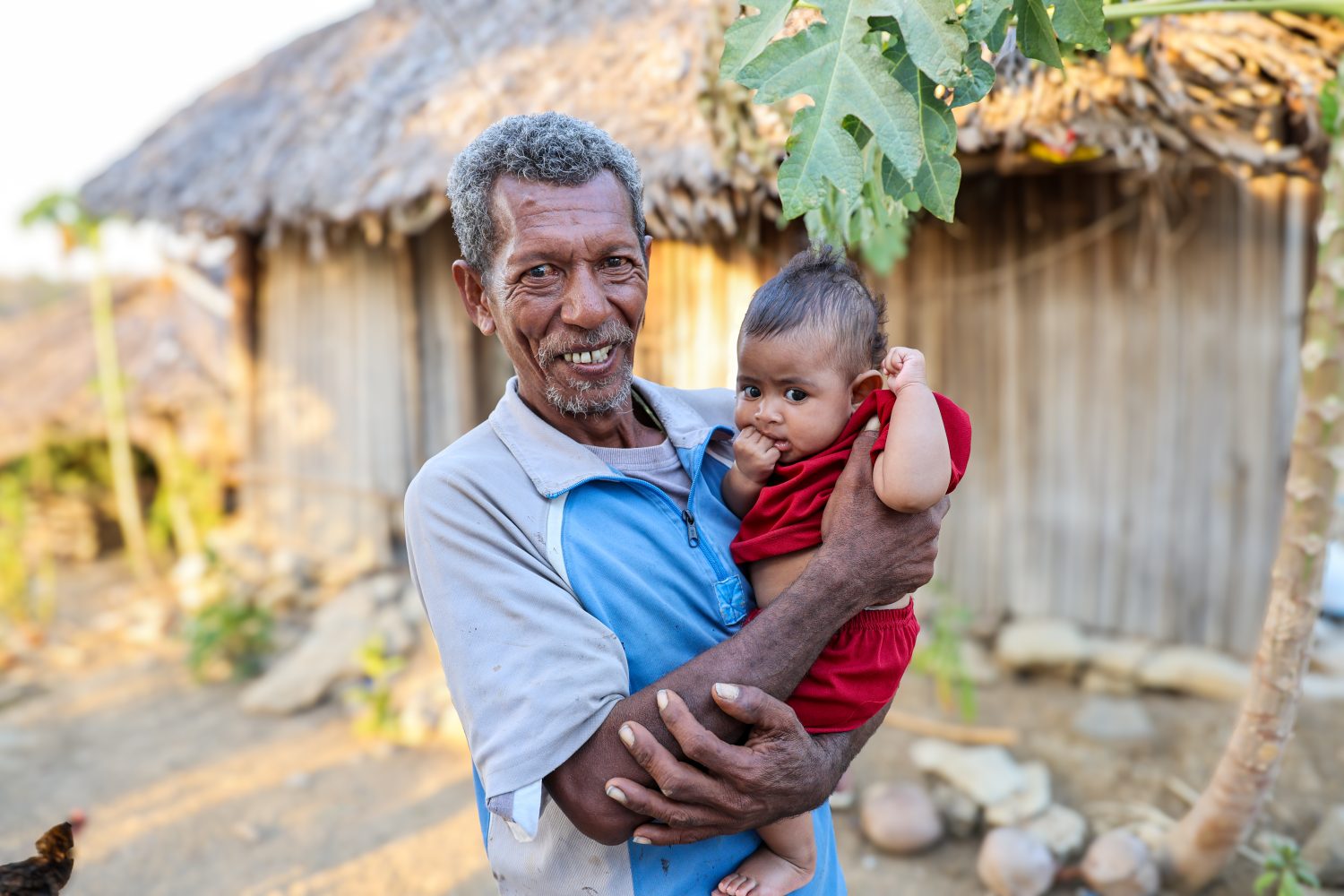
In Timor-Leste, families like Manuel’s live close to the edge. Almost half of all children experience stunting caused by chronic malnutrition, one of the highest rates in the world. Most families rely on small food gardens for both nourishment and income, leaving them deeply exposed to changes in weather patterns they did nothing to cause.
Change that begins with people
What makes the difference for families like Manuel’s is partnership rooted in trust, faith and local leadership.
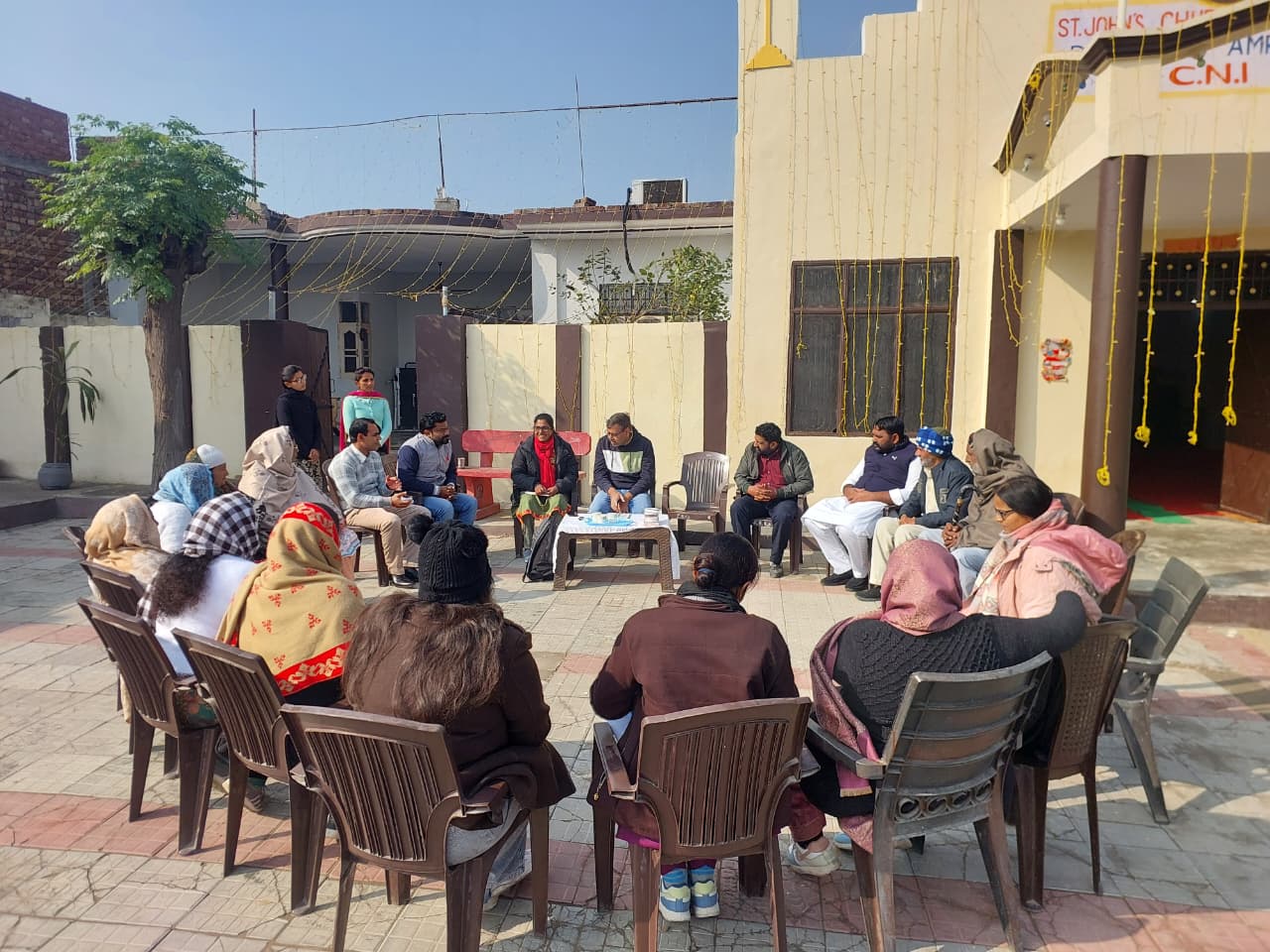
In Oecusse, UnitingWorld works alongside the Protestant Church in Timor-Leste, a Uniting Church partner with deep roots in the community and a long history of walking with people through hardship. Together, they are supporting families to adapt, not abandon their land.
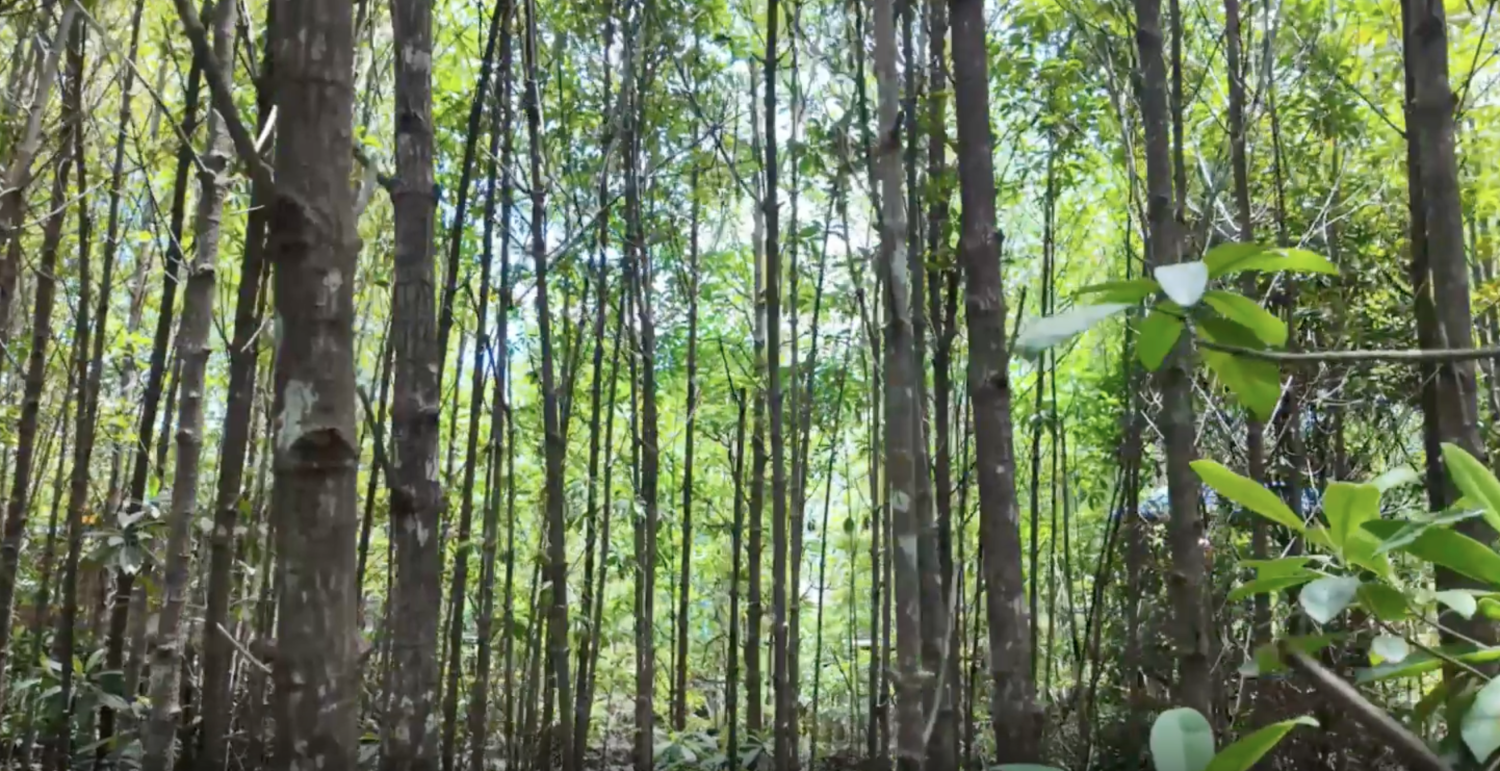
Manuel learned new climate-smart farming techniques that help his garden survive longer dry spells. Improved access to water means seedlings no longer die before they can take root. Savings and loans groups allow families to invest without falling into crippling debt. Community health nurses support pregnant mothers and monitor children’s nutrition.
In villages where the church has been working consistently, child malnutrition has dropped to zero.
For Manuel, the change is tangible. “Now we can grow food again,” he says. “We can eat well and sell some at the market.”
The return of reliable harvests has restored more than food security. It has restored agency.
Food insecurity does not only empty stomachs. It hollows people out, stripping away confidence, identity and hope. By contrast, solutions that are community-led and sustained help people reclaim their sense of purpose and belonging.
This is central to UnitingWorld’s approach. Change lasts when people are not treated as recipients, but as leaders of their own future.
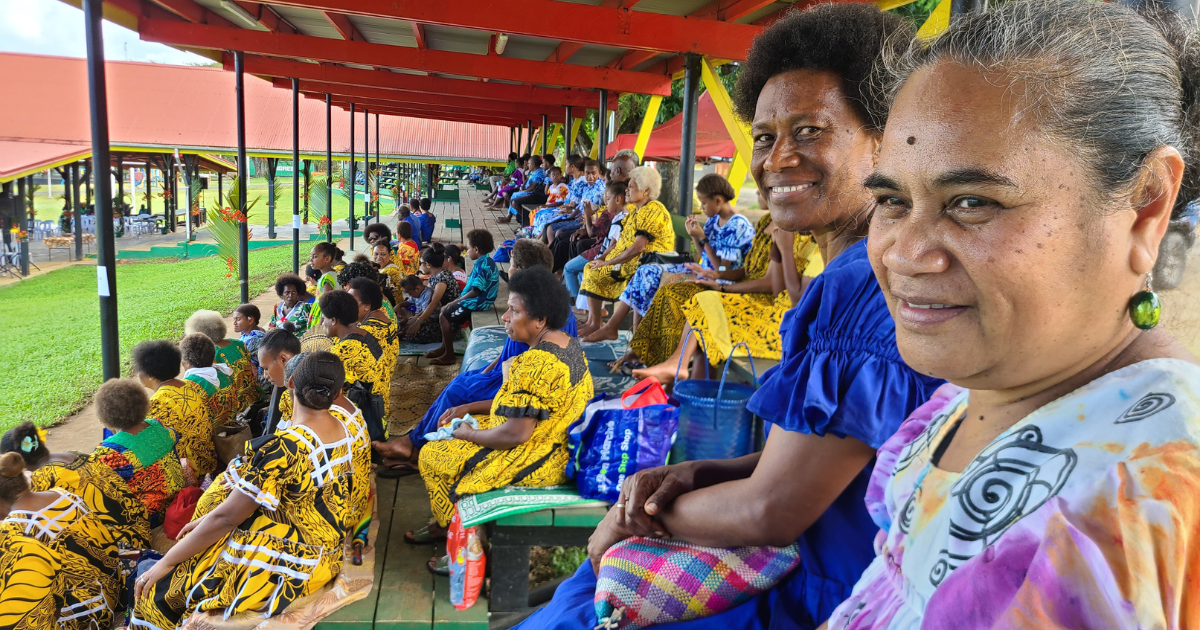
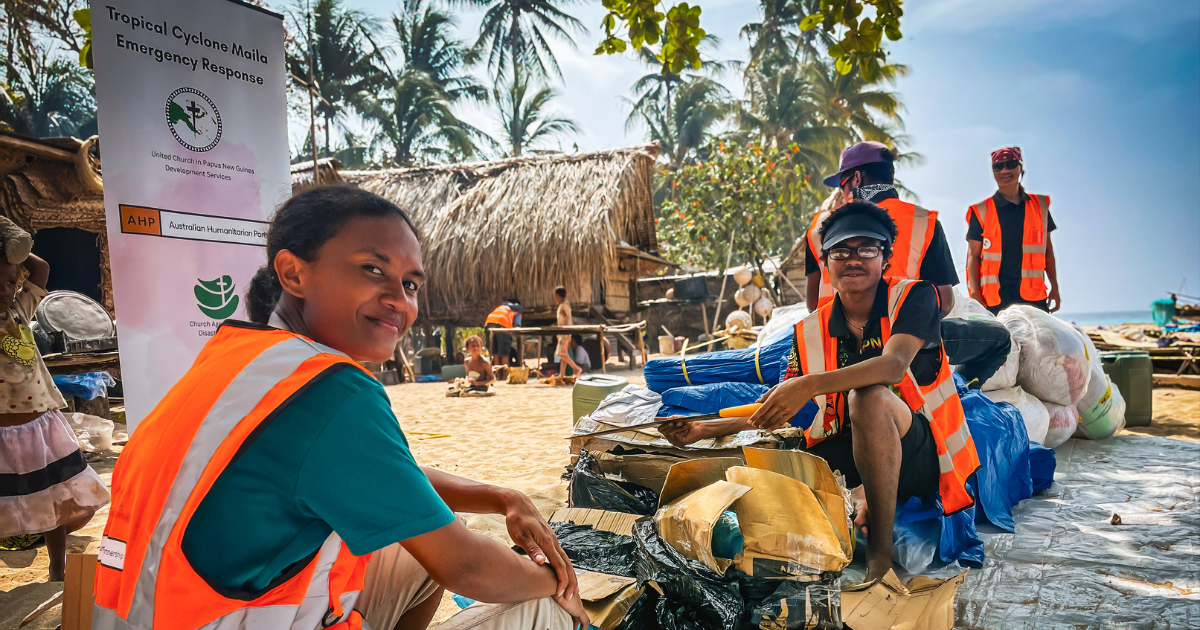
What is happening in Oecusse is echoed across the Pacific, Asia and Africa. Communities are facing hunger, rising seas, stronger storms and deep uncertainty. Again and again, our church partners are responding with courage, creativity and compassion.
These are not quick fixes. They are patient, faithful investments in people and place.
A way to respond
Stories like Manuel’s remind us that change is possible, even in the face of immense global challenges. They also remind us that hope is not passive. It takes shape through solidarity, generosity and shared commitment.