“Since the conflict,” “after the conflict,” “during the conflict.” These phrases pepper almost every conversation.

It might be 20 years, but the violence that broke out between Muslims and Christians in Ambon, Indonesia in 1999 is still the watershed event that shapes all narratives.

People died, homes and businesses were burnt down and two communities that used to live intermingled were left segregated and distrustful. How do you come back from that?

Chickens. Garbage. Hydroponics.

Unlikely you say? Not so, says the church in Ambon.

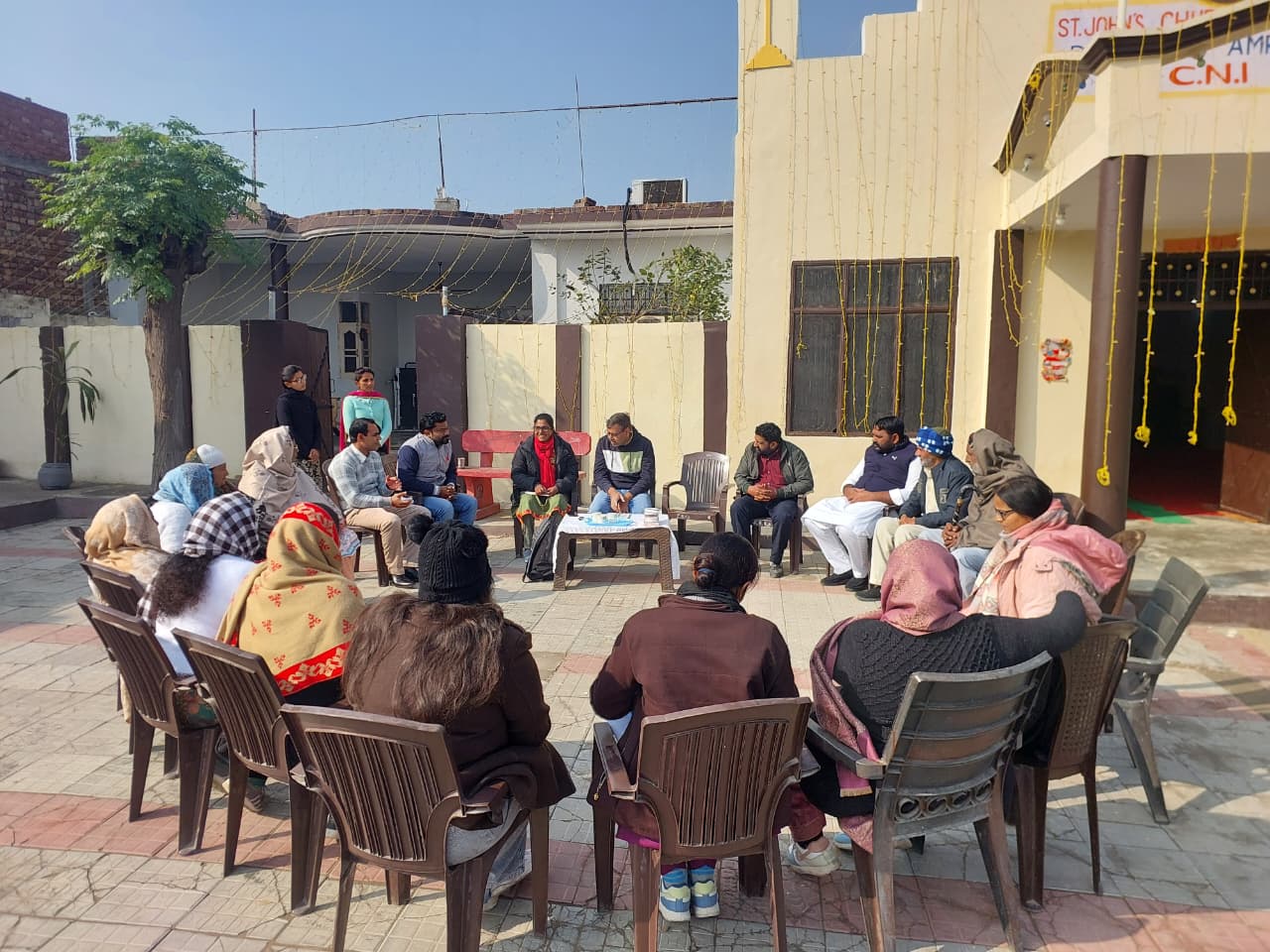
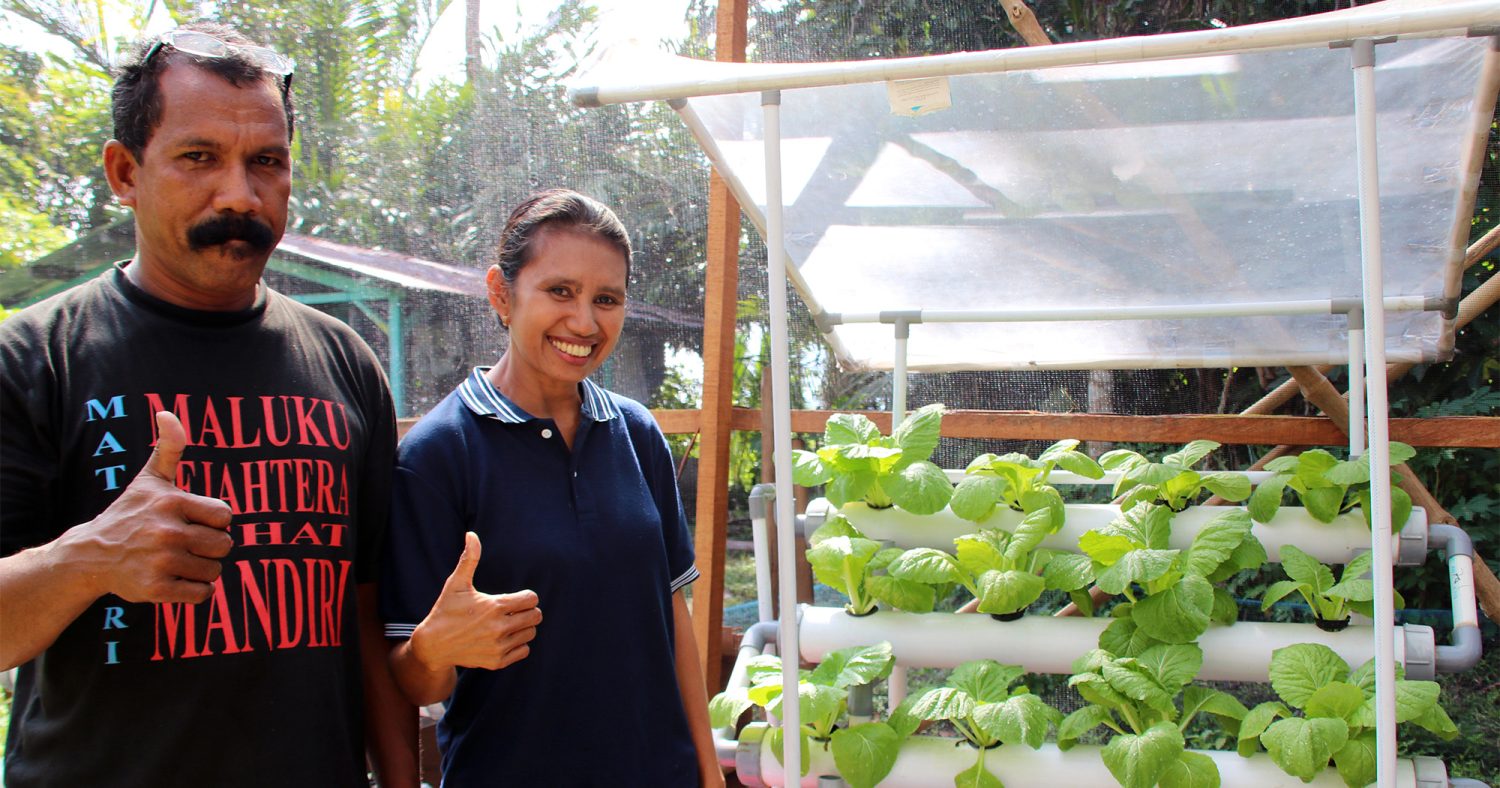
They’ve been setting up community projects where groups of people work together on an area of common need – women raise chickens to generate income; students clean up garbage pollution in their local river; families without land start hydroponics to grow food.

The magic? Each group is half Muslim, half Christian. Friendships are made, trust is rebuilt, the poor have new income. They learn to depend on each other. When friction flares up between individuals, people step in and diffuse it.

Six years since the start of this initiative, the two faith communities are intermingling, doing business and socialising with each other. When there was a flare up of violence during a recent election campaign, it did not affect any of the villages where this project has been running.

If that wasn’t enough, our local church partner has been deliberately seeking out the involvement of people with disabilities to include in the income generating and peacebuilding collaborations.

So much hope! If you didn’t believe it was possible to turn swords into ploughshares, think again – the Protestant Church of Maluku, with our support is doing it with chickens and hydroponic kale.
Continue reading…

Deepening our impact on gender justice

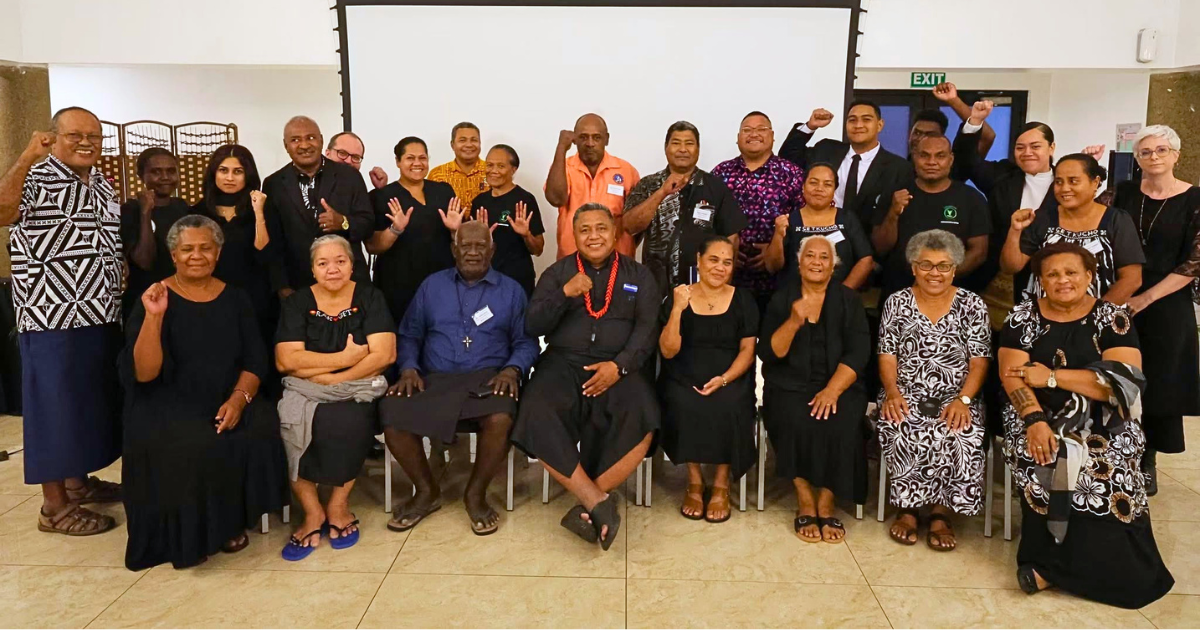
It’s the ten-year anniversary of the Gender Equality Theology resources, which ignited a collaborative movement across the Pacific Church. That movement has been working to reshape how families and intimate partners across the region share power, partnership and faith ever since.

Read more

When the food garden fails

A family in Timor-Leste faces hunger as climate change disrupts the land they depend on, but finds hope through partnership and faith.

Read more

From the cowsheds to the council chamber

For generations, a Dalit* community near the India-Pakistan border had no land, no vote, and no say over their own lives. Then one small classroom changed everything: first for the children inside it, then for the whole village.

Read more

Where the forest is called Mother

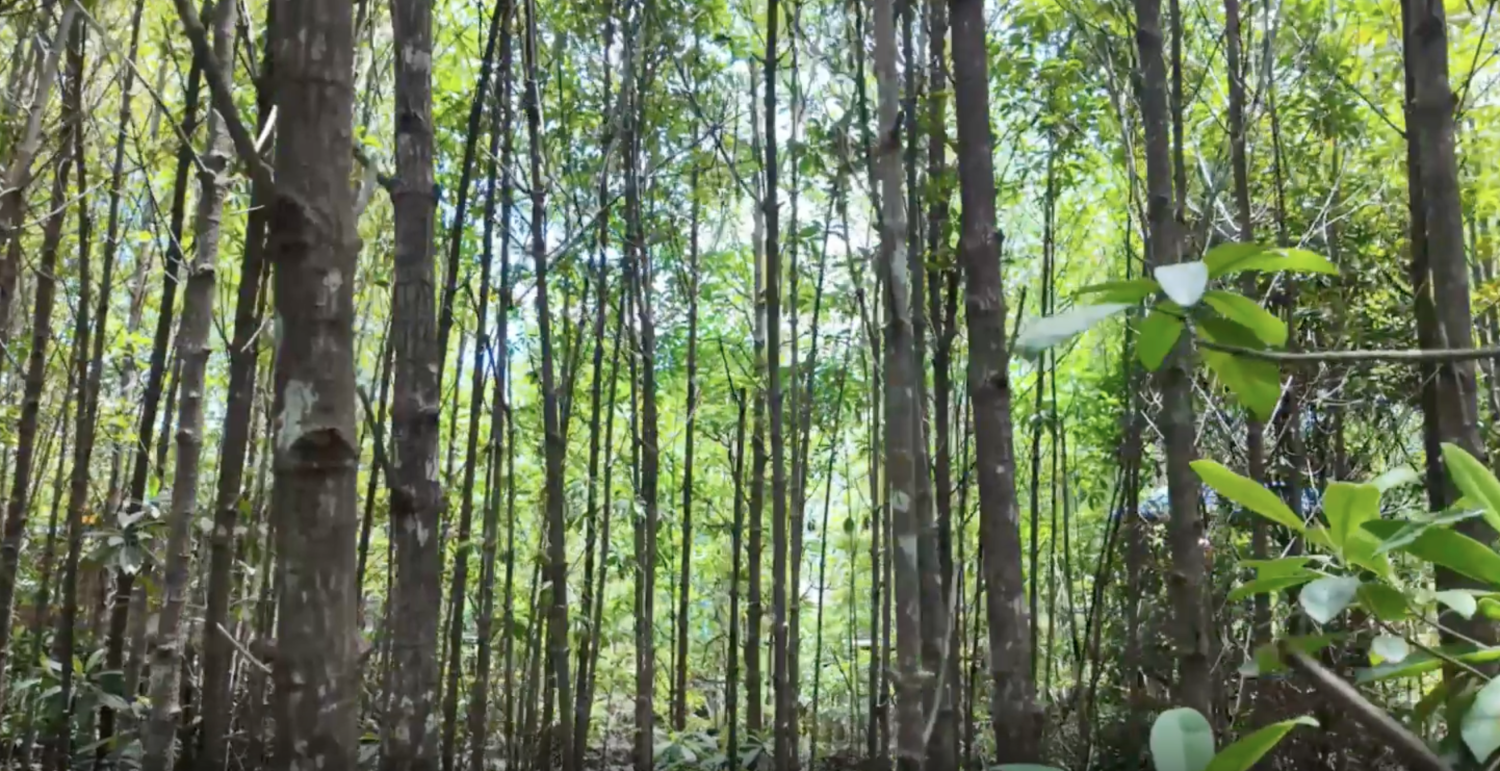
“Papuans call the forest ‘mother’, the coast ‘child’, and the sea ‘father’. These are sacred relationships.” Albert, GKI-TP elder and conservationist West Papua is home to some of the world’s richest ecosystems. Ancient rainforests, sprawling mangrove swamps, and coral reefs teeming with life. Together with Papua New Guinea, this region holds the world’s third-largest rainforest, […]

Read more

Emergency cyclone response in Milne Bay Province, PNG

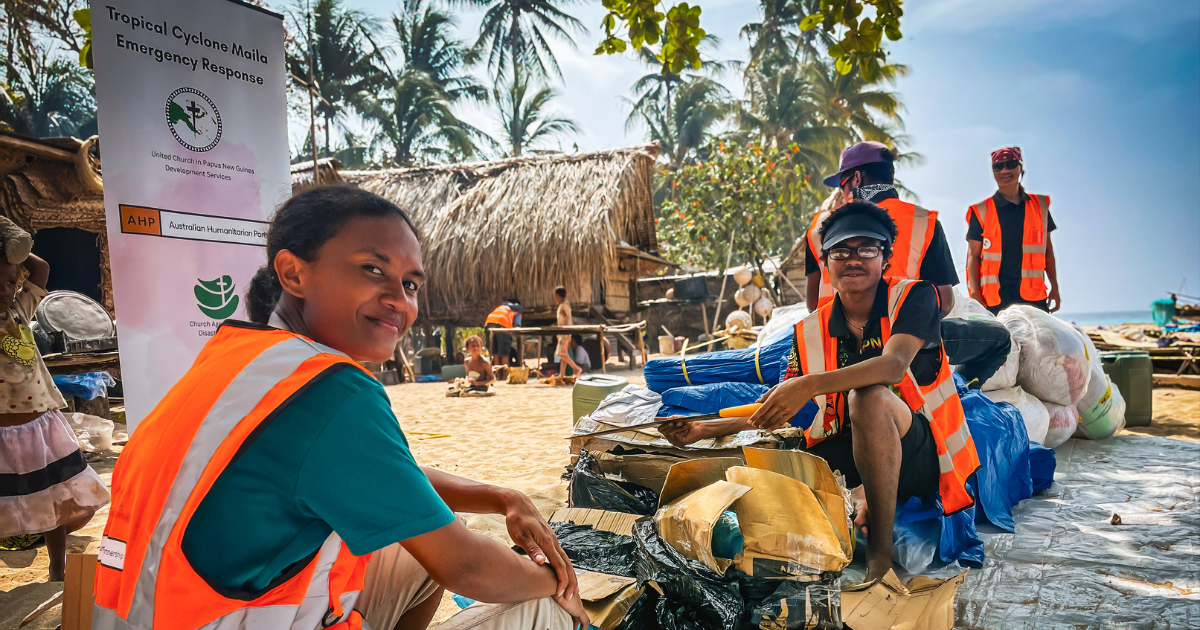
Category 5 Tropical Cyclone Maila passed over eastern Papua New Guinea between 6 and 8 April 2026, caused severe destruction across multiple provinces.  On the remote outer islands of Milne Bay Province, wells and gardens that sustain whole communities were damaged. In response, the United Church in Papua New Guinea (UCPNG), supported by the Australian […]

Read more

Gaza Crisis Appeal Update, Nov 2026

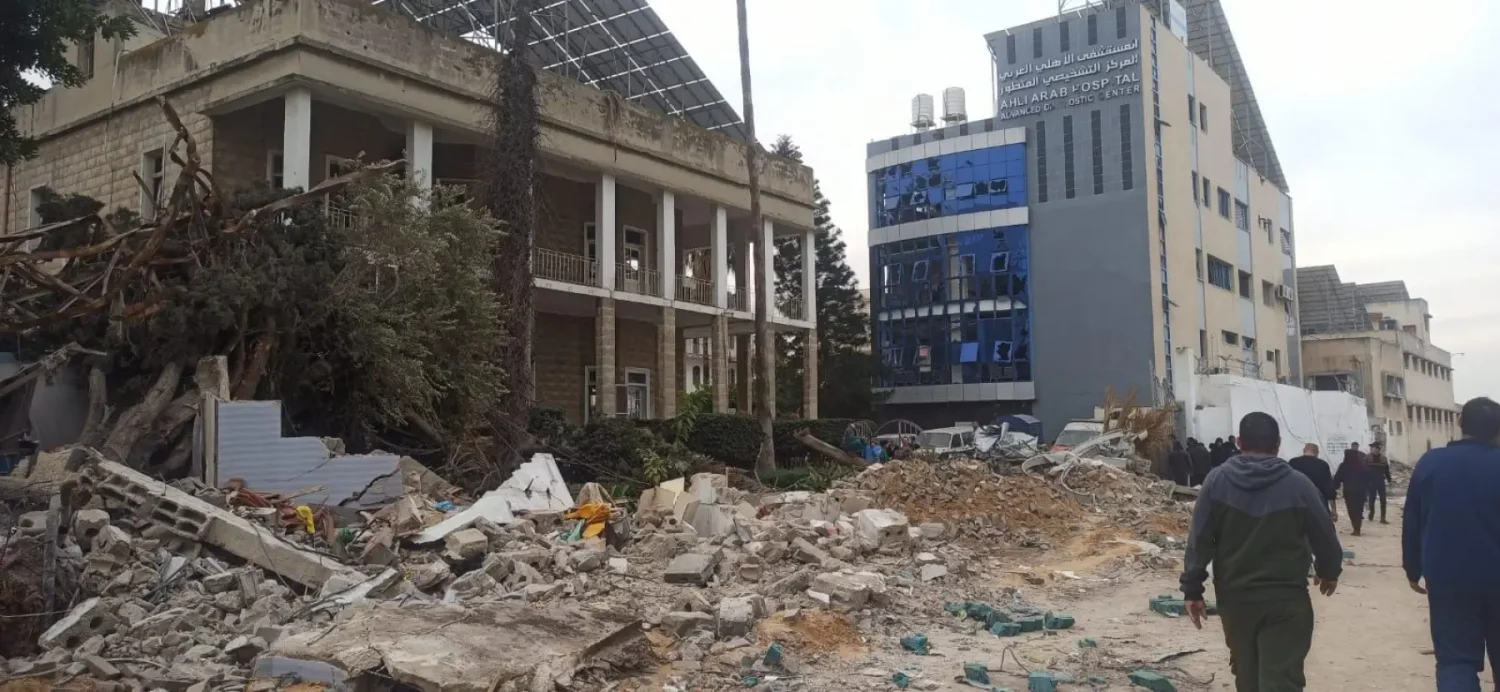
In Gaza, lack of water and sanitation, shelter, food and medicine is causing serious health challenges. The funds raised will go toward staff salaries at Al-Ahli, Gaza’s only Christian hospital. A place where everyone, regardless of background or faith, receives treatment.

Read more