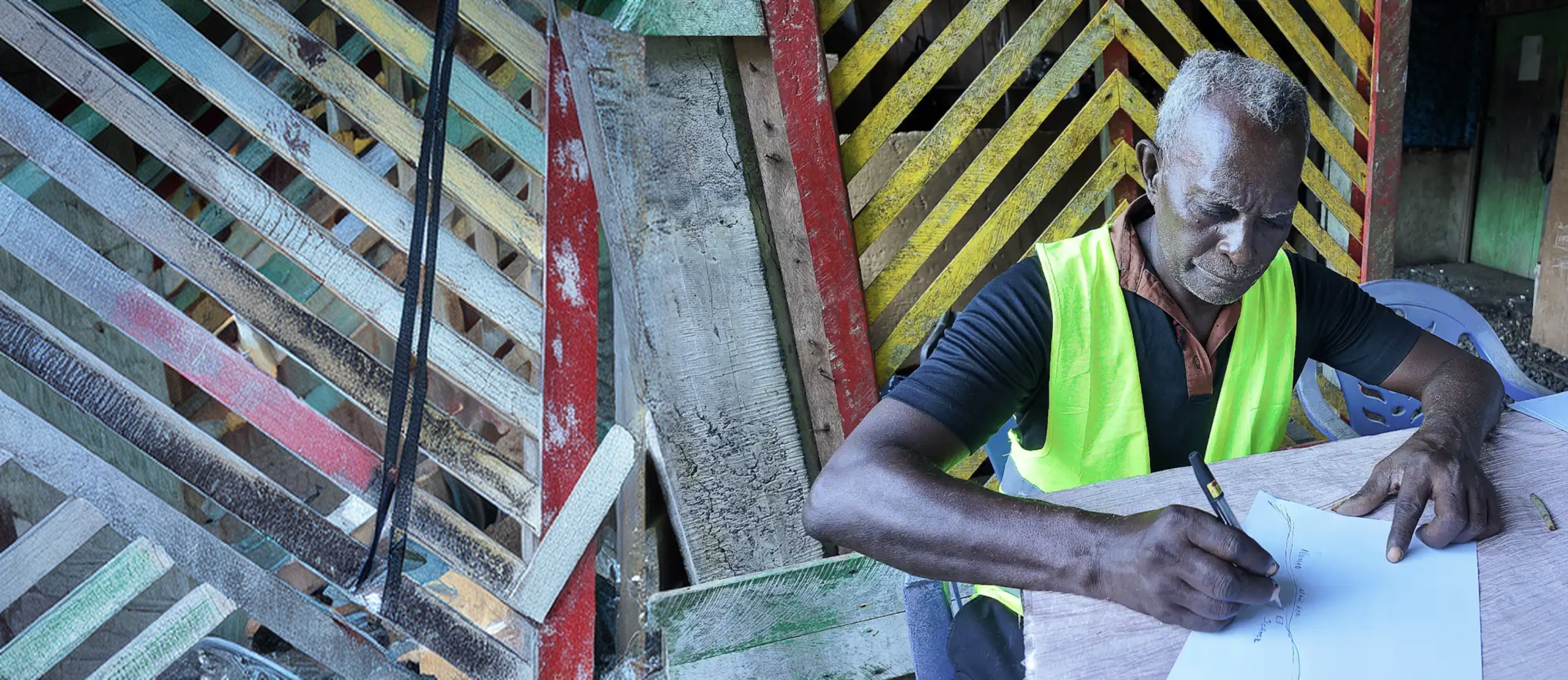
Disaster ready communities
Climate change means cyclones, floods and droughts are hitting harder and more often, and the poorest families are hit hardest. But planning and preparation, risk reduction, and building resilience can reduce the suffering and speed the recovery. Global research indicates that every $1 invested in reducing risk can save up to $15 in recovery costs.¹
Disaster preparation that saves lives.
When a cyclone is coming, the people who live there are the only ones who can act in time. Outside help can’t arrive before the storm does. We help local churches to train community members, set up early warnings and help communities write their own plans, so when disasters hit, families know what to do, where to go and how to stay safe. As climate change makes disasters more frequent and severe, this work is more urgent than ever.
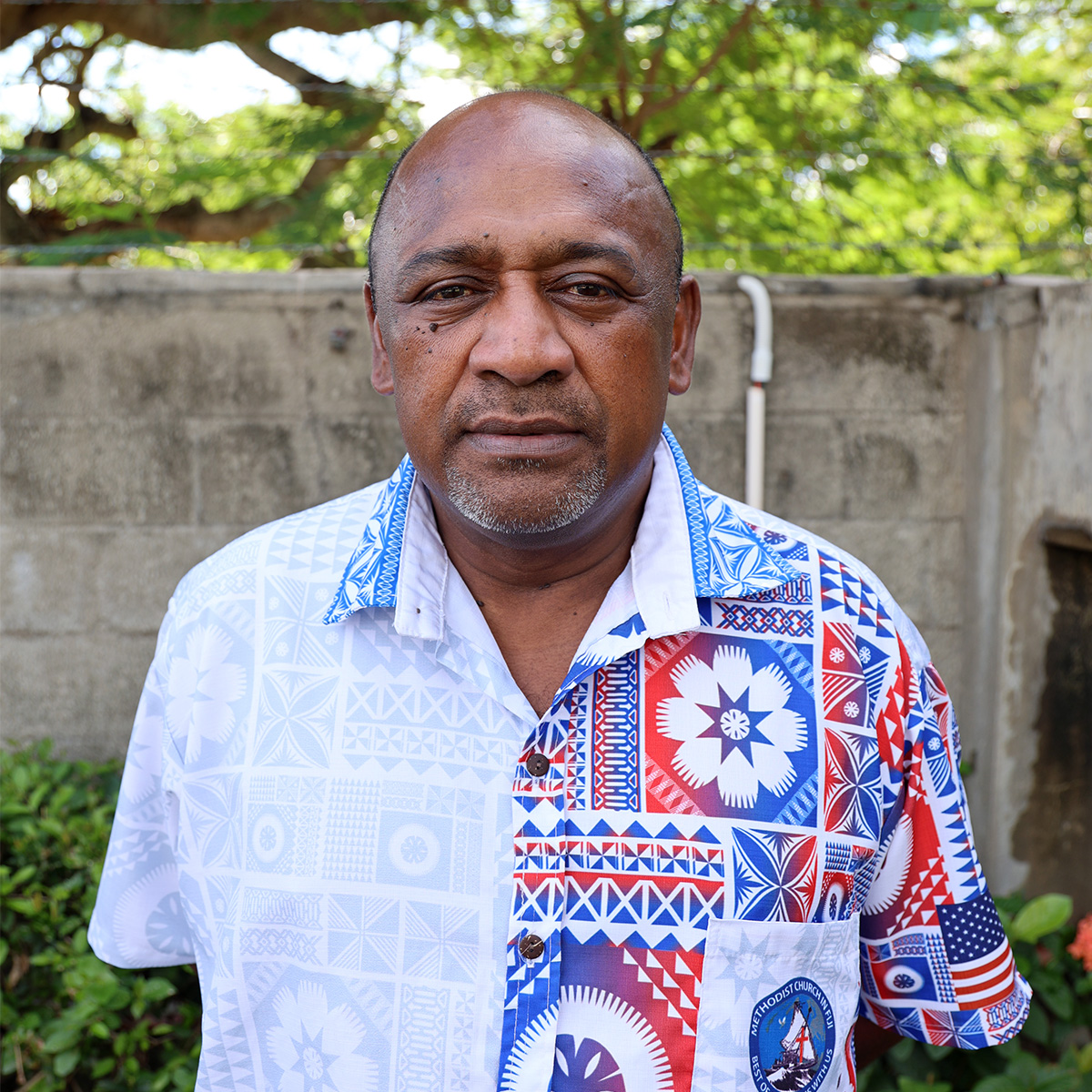
“There’s a Fijian idiom: ‘do not only look on the top of your nose but rather, look beyond.’ Disaster preparedness and climate action has effects far beyond today. It’s about the borrowed time of our children and grandchildren.”
Rev Tomasi Jale, Coordinator, Theology of Disaster Resilience in a Changing Climate Program, Methodist Church in Fiji
Local churches are getting communities ready
When Cyclone Maila hit Solomon Islands, village disaster committees trained by the United Church activated early, as they’d practiced, and got people to safety. The training was delivered village by village, and communities knew exactly what to do, resulting in no lives lost.
In Tanna, Vanuatu, the Presbyterian Church has helped villages act on early warnings before a cyclone arrives, with awareness training, materials to reinforce homes and a network of local leaders. When a cyclone warning came in early 2025, leaders alerted their communities and secured vital documents in weatherproof boxes, and everyone was prepared and ready.
In Fiji and Papua New Guinea, churches train local facilitators to share a theology of disaster resilience in a changing climate, and communities write their own action plans.
On Alor Island, Indonesia, a village disaster team identified how coastal erosion was threatening homes and planted mangroves to hold back the sea.
¹ Global Assessment Report on Disaster Risk Reduction, UN Office for Disaster Risk Reduction
Stories of impact
Our partners are leading the way. These are their stories.
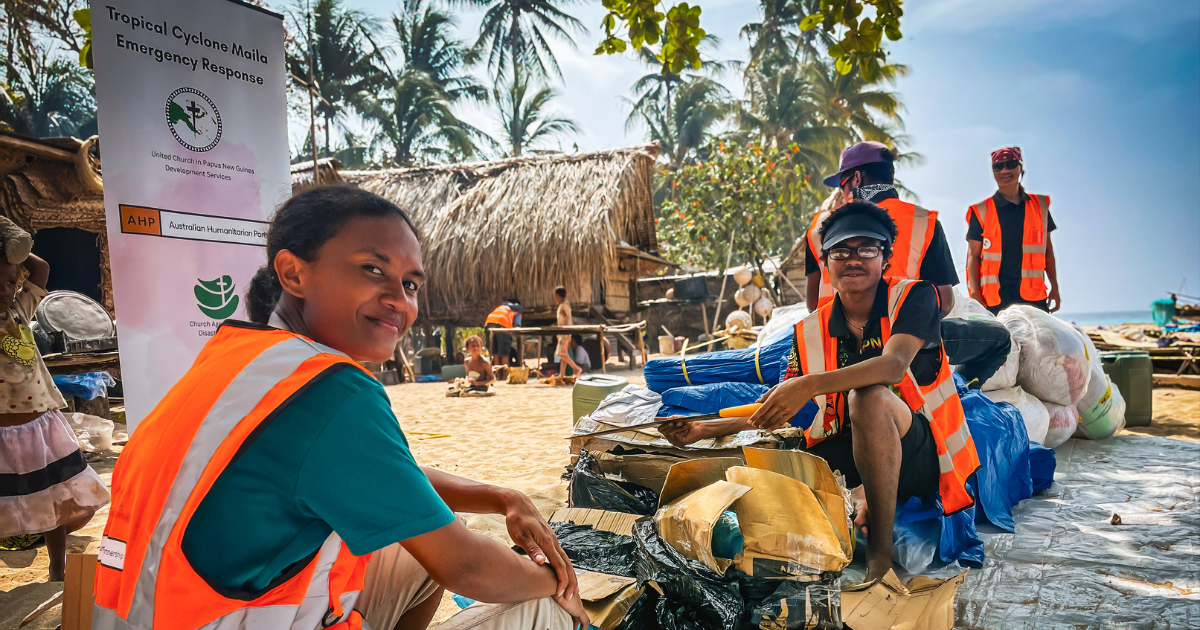
Emergency cyclone response in Milne Bay Province, PNG
Category 5 Tropical Cyclone Maila passed over eastern Papua New Guinea between 6 and 8 April 2026, caused severe destruction across multiple provinces. On the remote outer islands of Milne Bay Province, wells and gardens that sustain whole communities were damaged. In response, the United Church in Papua New Guinea (UCPNG), supported by the Australian […]
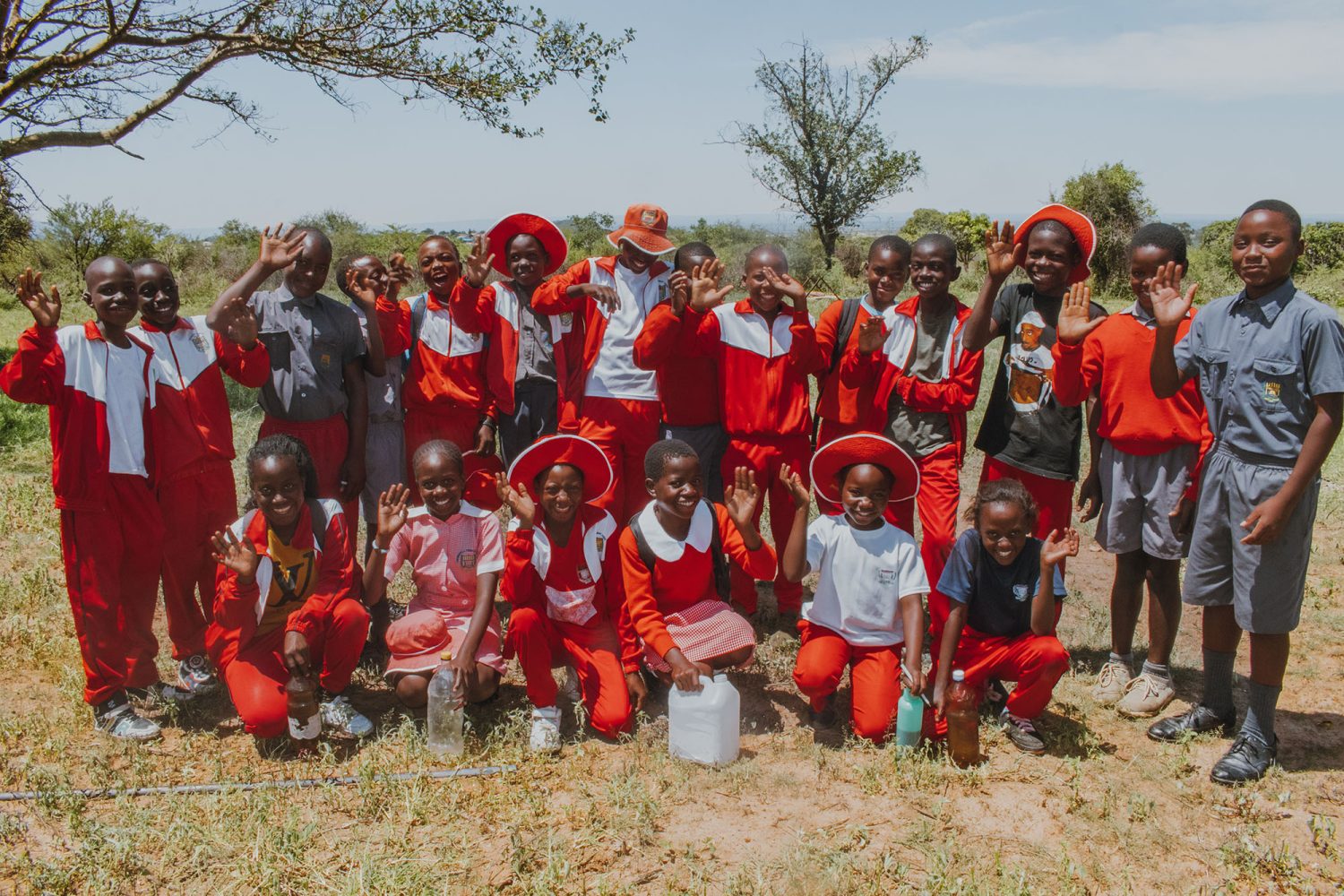
Hope grows in schools
Across rural Zimbabwe, families are facing long droughts, food insecurity and lack of clean water. Supported by UnitingWorld, the Methodist Church in Zimbabwe (MCZ) has begun working in schools to transform what is possible for children and families in poverty.

When the young people disappear
Every year, more young people leave Sumba. They go to Bali, or Java, in search of work and a future they feel their own island cannot provide. Fields go unplanted. Churches empty out. They leave and they don’t come back. UnitingWorld is supporting our church partners to change that.
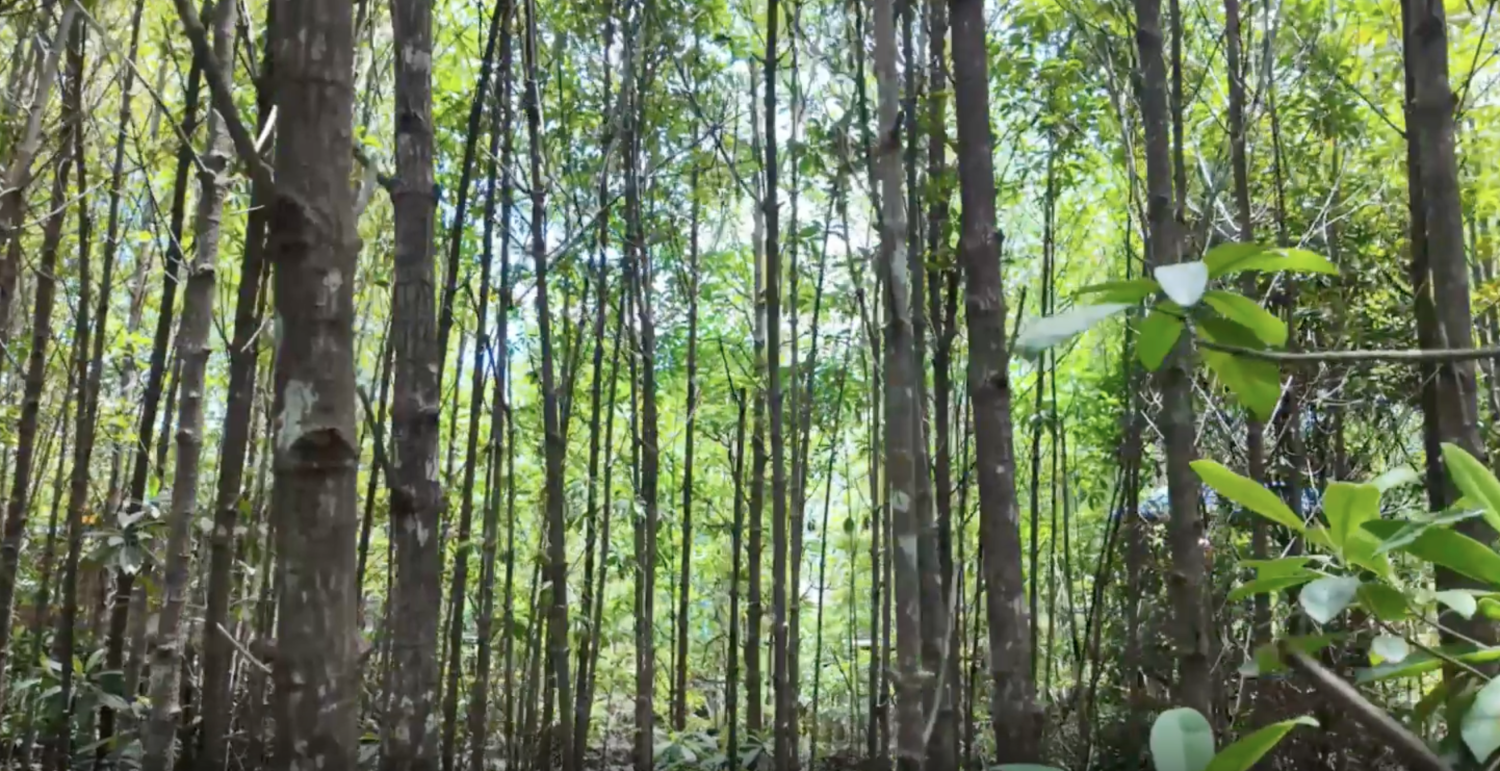
Where the forest is called Mother
“Papuans call the forest ‘mother’, the coast ‘child’, and the sea ‘father’. These are sacred relationships.” Albert, GKI-TP elder and conservationist West Papua is home to some of the world’s richest ecosystems. Ancient rainforests, sprawling mangrove swamps, and coral reefs teeming with life. Together with Papua New Guinea, this region holds the world’s third-largest rainforest, […]

Rebuilding after Maila
A small team from UnitingWorld visited Solomon Islands in the aftermath of Severe Tropical Cyclone Maila and saw first-hand the impact of your support. Our partner, the United Church in the Solomon Islands (UCSI), continues to build climate resilience, prepare communities for disasters and promote healthy, safe relationships. Rev Siera Bird, UnitingWorld’s International Program Manager […]

Pacific Partners gather in Fiji to share knowledge, strengthen solidarity
20–24 April 2026 | Nadi, Fiji Church and community partners from across the Pacific came together in Nadi, Fiji this week for UnitingWorld’s Pacific Regional Forum 2026, a week of listening, learning and renewing commitment to shared mission. Participants joined from Fiji, Papua New Guinea, Tonga, Vanuatu, Solomon Islands, Tuvalu, Kiribati and Samoa, alongside UnitingWorld […]

New project takes root in former tea plantation in India
UnitingWorld is partnering with the Church of North India – Diocese of Eastern Himalaya to support a tea plantation community in India’s Darjeeling region. A community of 190 people are still recovering from a plantation closure that stripped them of income, housing and food security overnight. With few transferable skills and increasingly severe climate impacts, […]

Reaching the forgotten in West Papua
Along the far north coast of West Papua, Indonesia, people are facing an intensifying struggle to survive on lands and seas that have sustained them for generations.

Hope after the storm: Rebuilding lives in Tonga
Emergency response to people affected by the volcanic eruption in Tonga is aimed at addressing both the psychological trauma and providing practical tools for recovery, with the specific needs of women given equal priority.
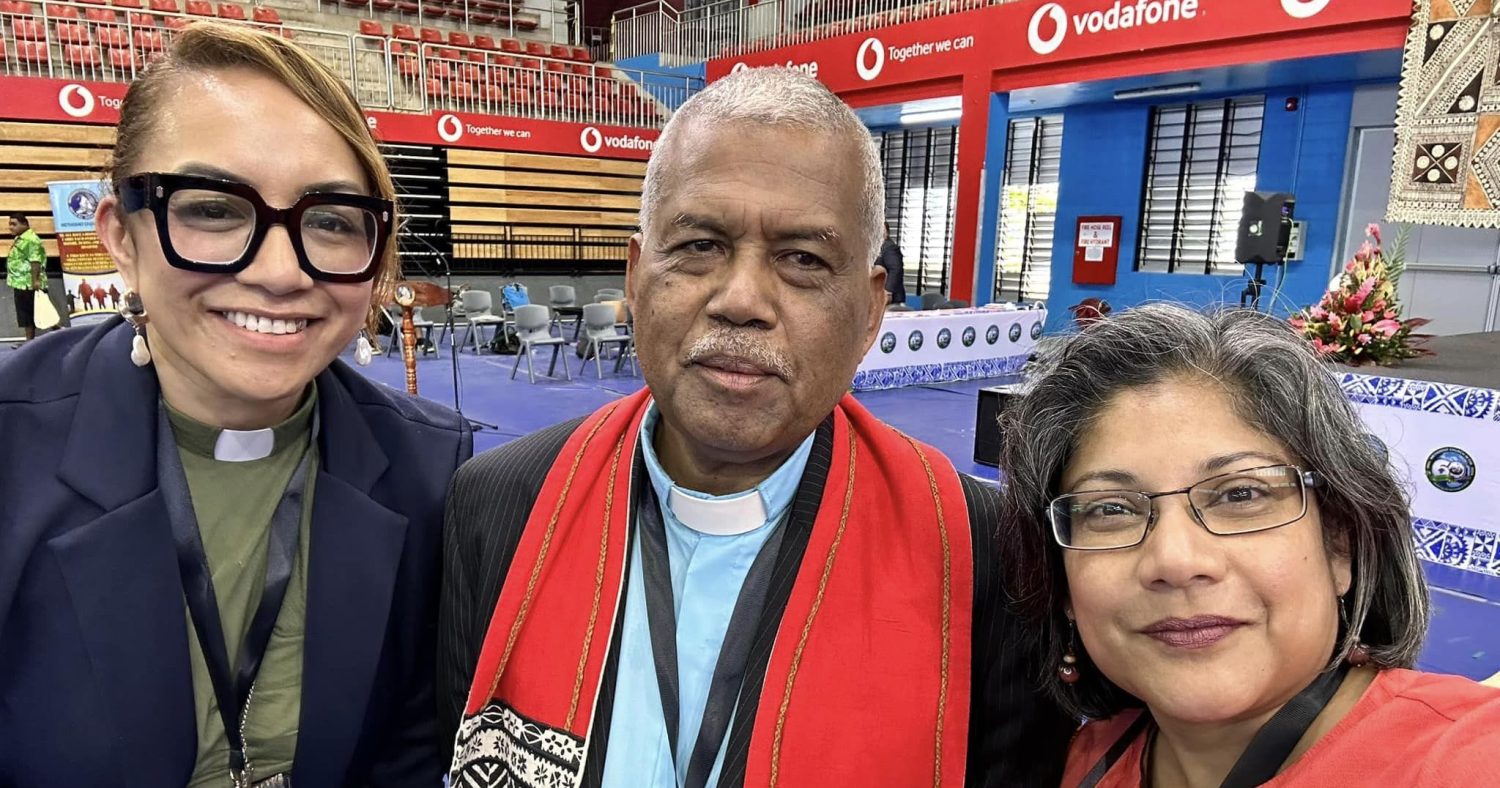
Methodist Church in Fiji adopts groundbreaking disability and disaster management policies
The Methodist Church in Fiji (MCIF) has adopted policies to ensure church-wide approaches to inclusion of all people with disabilities, and to build the capacity of the church to prepare for and respond to disasters. The first of their kind, the MCIF Disaster Risk Management Policy and MCIF Disability Inclusion Policy were adopted at the […]
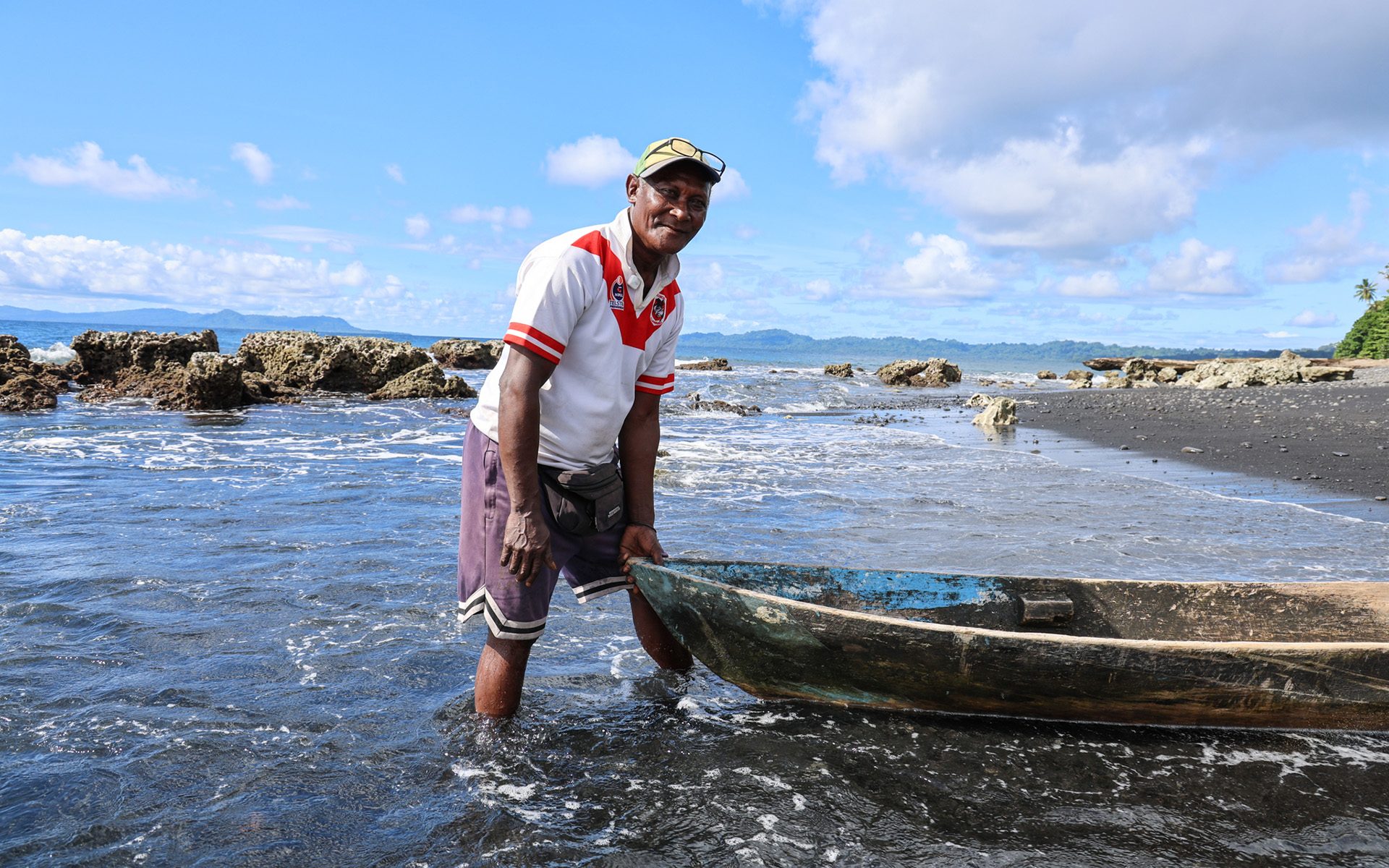
Stand with people on the frontlines of climate change.
Your gift resources local communities to be ready and resilient before disasters strike, saving lives, homes and livelihoods.