In January 2022, the Pacific Island nation of Tonga faced one of its most devastating natural disasters—the eruption of the Hunga Tonga-Hunga Ha’apai volcano. The eruption unleashed massive tsunamis and volcanic ash, destroying homes, crops and livelihoods across the country.
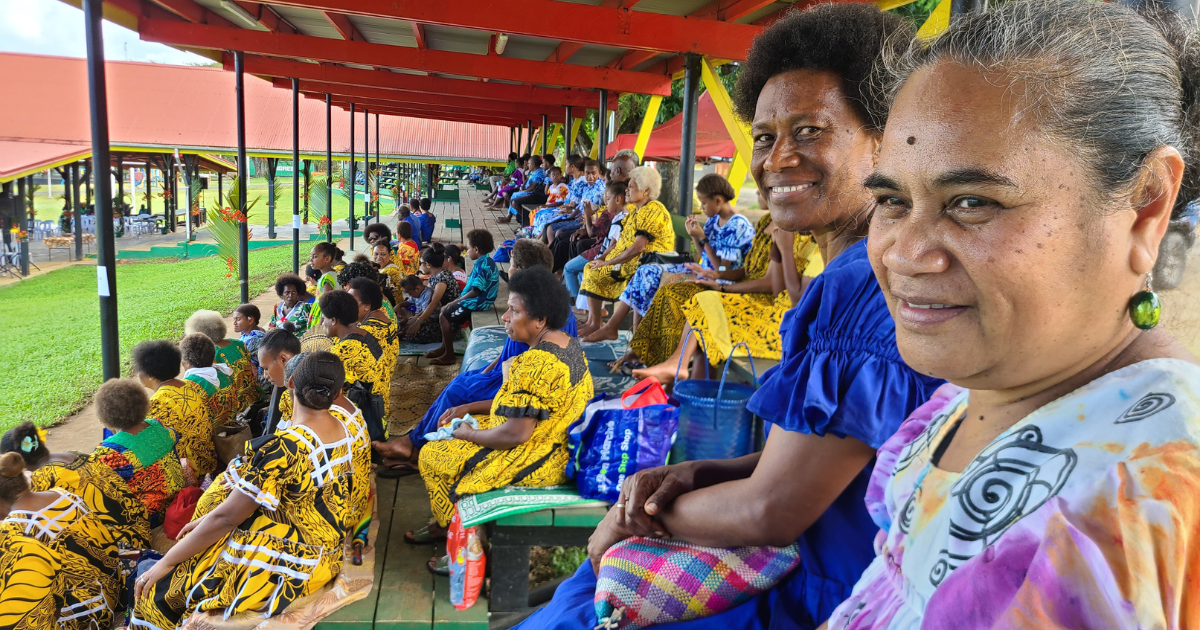
Entire communities were left reeling from the destruction, but for many women and girls, the disaster was particularly challenging as they shouldered the responsibility of caring for their families amidst the chaos.
Taisia Heiumuli, a senior pastor with the Free Wesleyan Church of Tonga (FWCT), played a key role in the recovery efforts that followed. “Women and girls were deeply affected,” Taisia explains. “Many of them were responsible for finding safe places for their children while their husbands were away, leaving them to bear the emotional and physical toll.”
When Taisia led a project in partnership with UnitingWorld and the Australian Humanitarian Partnership (AHP), aimed at addressing both the psychological trauma and providing practical tools for recovery, she made sure that the specific needs of women were given equal priority.
The project had two main components. The first was psychological support, aimed at helping people traumatised by the disaster. “The wounds were deep, especially for women and children,” says Taisia. “Through counselling and support, we aimed to heal those wounds and create a space where people could share their struggles and rebuild together.”
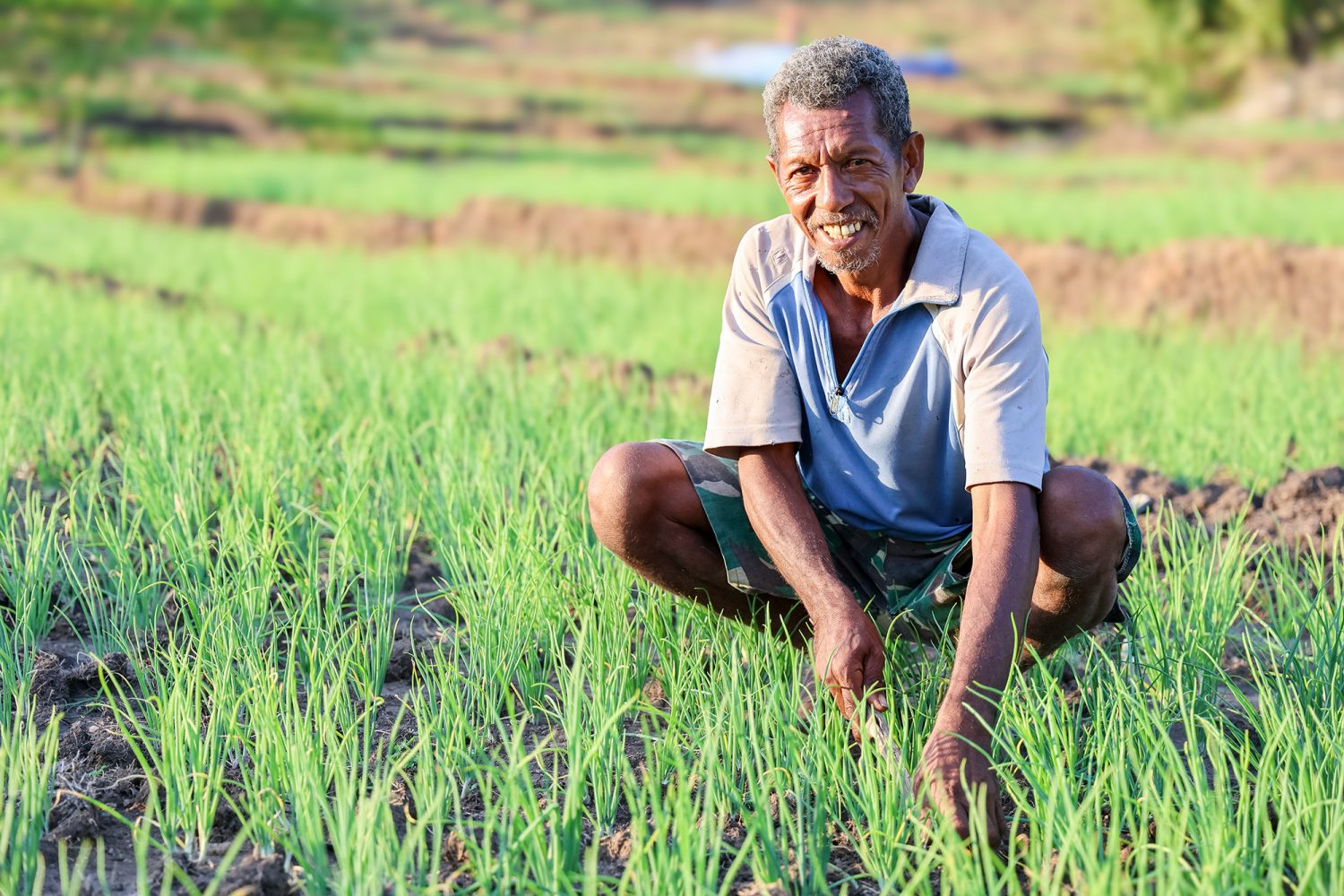
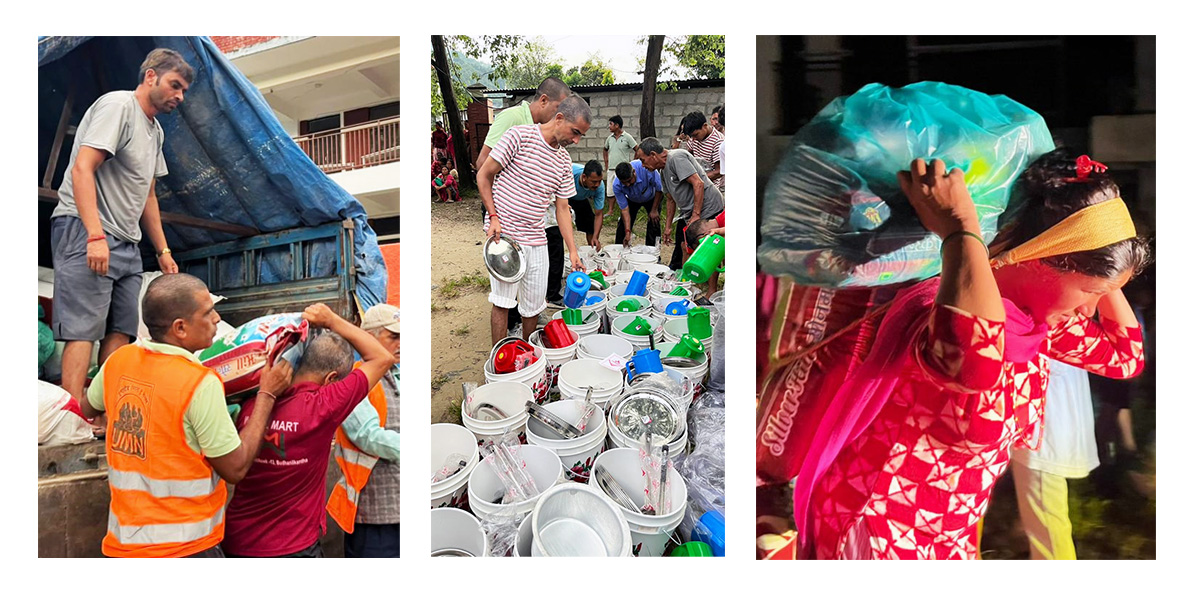
The second component focused on rebuilding the livelihoods of families. People were provided with tools like sewing machines, cooking stoves, gardening equipment and fishing gear—resources that allowed people to regain a sense of autonomy and contribute economically to their families. Taisia emphasises the long-term empowerment the project aimed to foster:
“We didn’t want to just give people fish; we wanted to give them tools to go get their own!”
This community-wide effort ensured that everyone was able to rebuild. Women learned new skills and shared them within the community, creating a powerful network of support. “One woman was able to sew children’s clothes for a ‘White Sunday’ celebration, earning $800 from her work,” Taisia proudly shares.
Another inspiring story to come from the project was that of Michelle, a young woman from another denomination whose business was destroyed by the waves. With the help of the project, she received new equipment and was able to rebuild her business. “She cried when she shared how blessed she felt,” Taisia recalls. “This project wasn’t for members of the Free Wesleyan Church—it was for the entire community, and we’ve been blessed to be able to support so many people.”
Part of this program includes working ecumenically through the Church Agencies Network-Disaster Operations consortium (CAN-DO) funded by the Australian Government as part of the Australian Humanitarian Partnership (AHP).