For generations, a Dalit* community near the India-Pakistan border had no land, no vote, and no say over their own lives. Then one small classroom changed everything: first for the children inside it, then for the whole village.
For generations, the landlords of Dogar village decided everything.
They decided who worked their fields, and whether they would get any wages or just a few groceries and were told to be grateful. They decided where the town’s wastewater drained, and decided to let it run straight through the homes of the Dalit families, breeding the malaria and infections that took children and mothers before their time. They even kept alcohol flowing into the community to keep people compliant.
And they decided who could go to school. Rarely the Dalit children. Their sons and daughters were sent to work in the cowsheds instead.
That was simply how it was, for as long as anyone could remember.
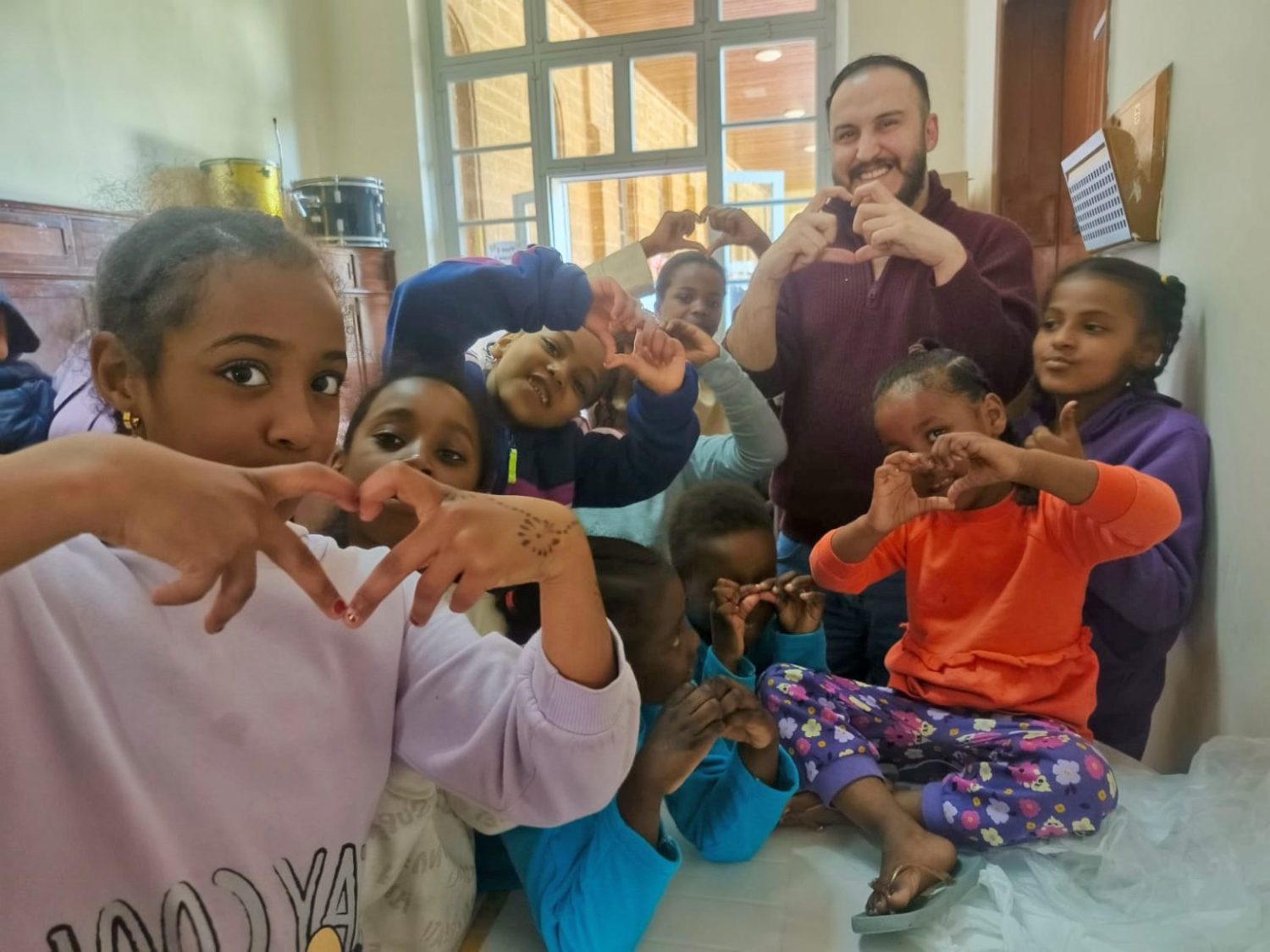
In 2009, a partnership between UnitingWorld and the Church of North India’s Diocese of Amritsar opened a single study centre in Dogar. Forty children walked in that first year, one from each of the poorest families in the village.
What happened next wasn’t only an education story. It was the beginning of a radical redistribution of power.
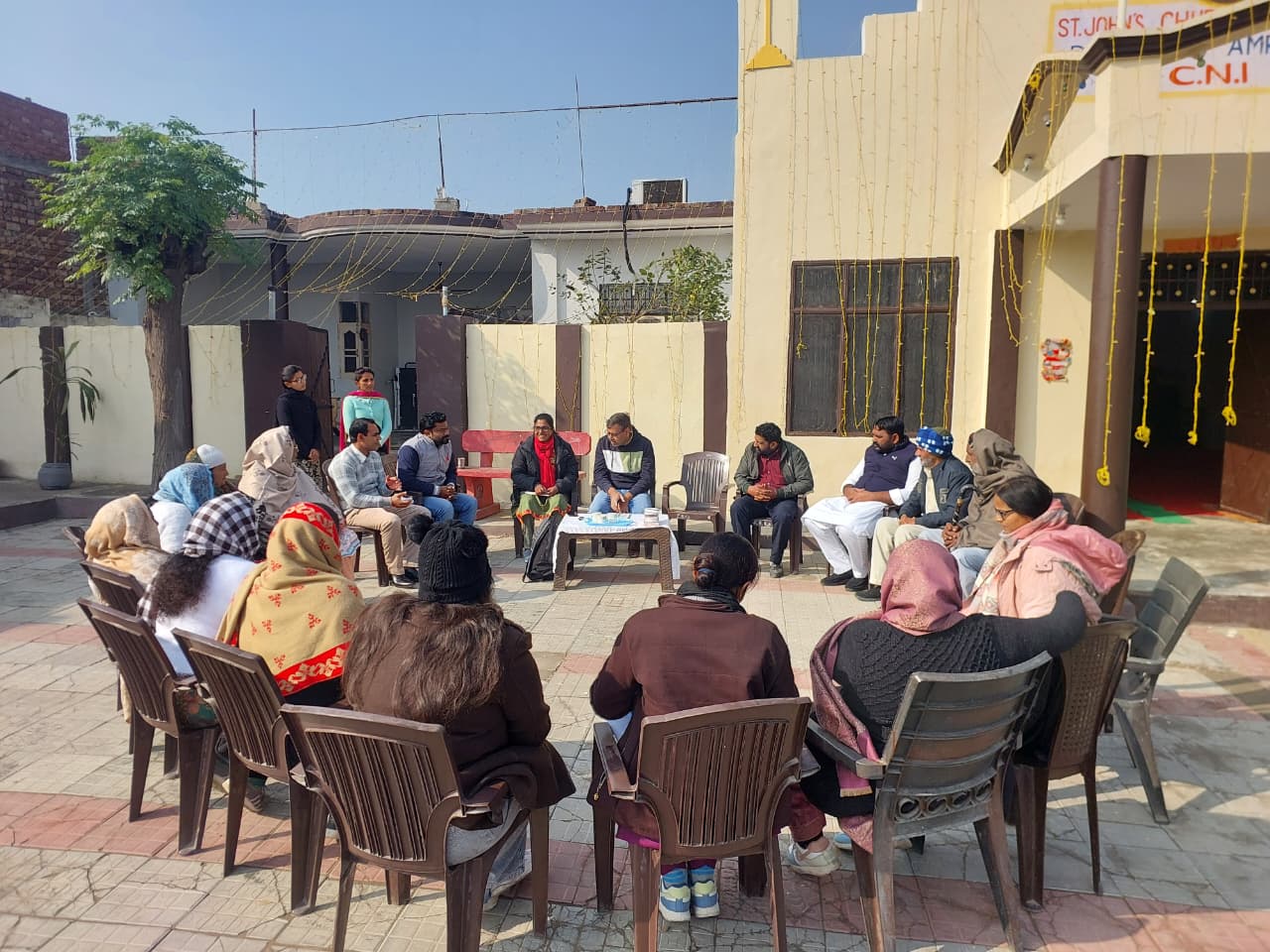
Diocese staff didn’t stop at teaching children to read. They began training parents to understand their rights, organise their neighbours, and do something that would once have been unthinkable: stand for election to the Panchayat (local village government).
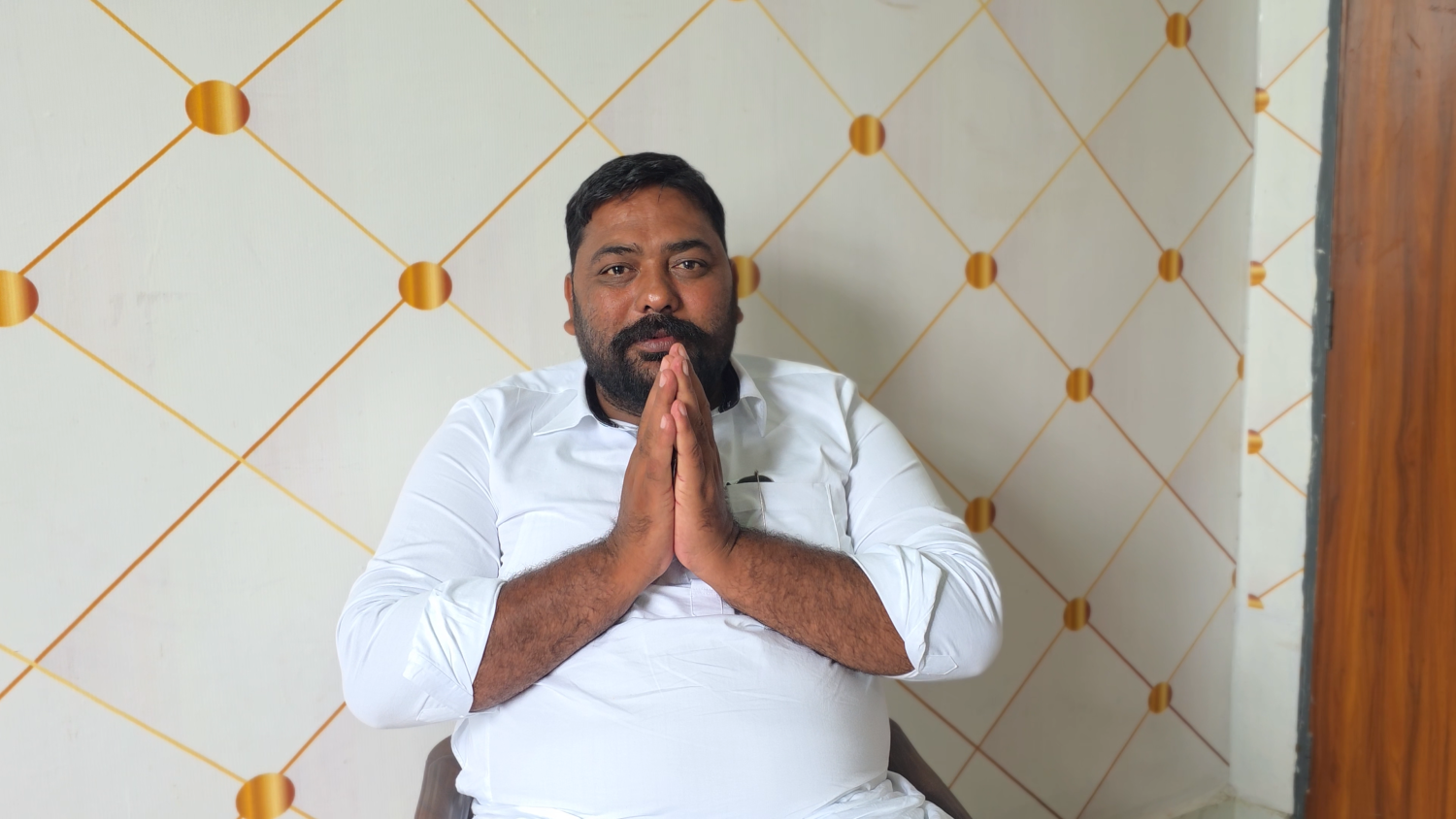
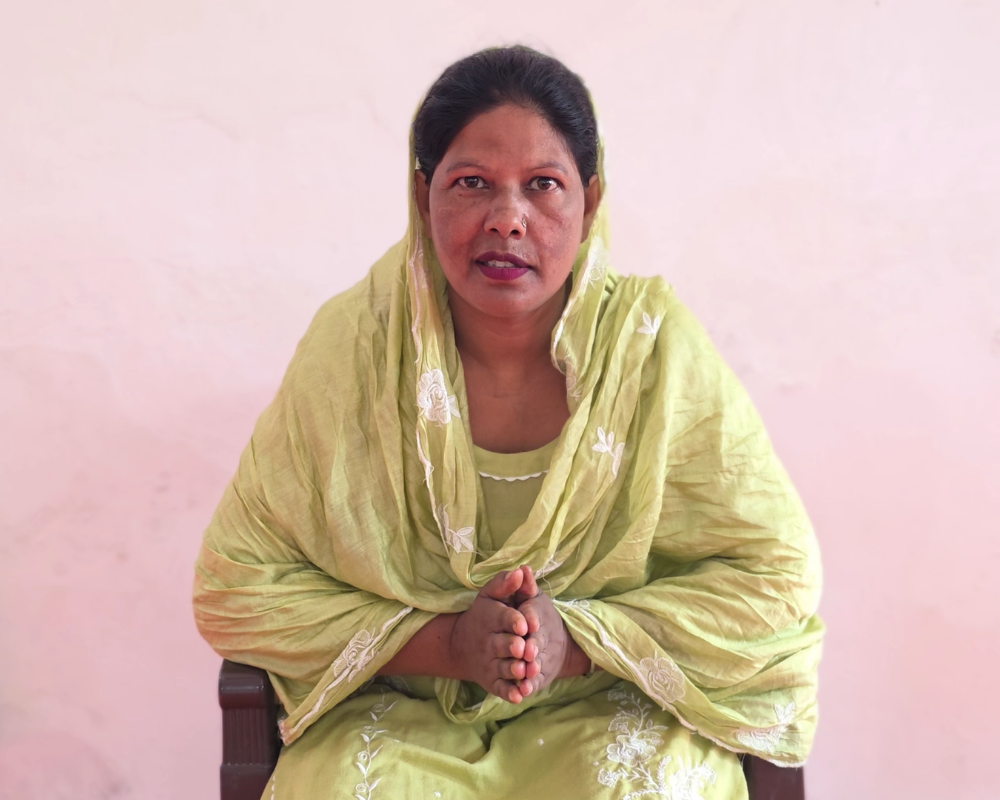
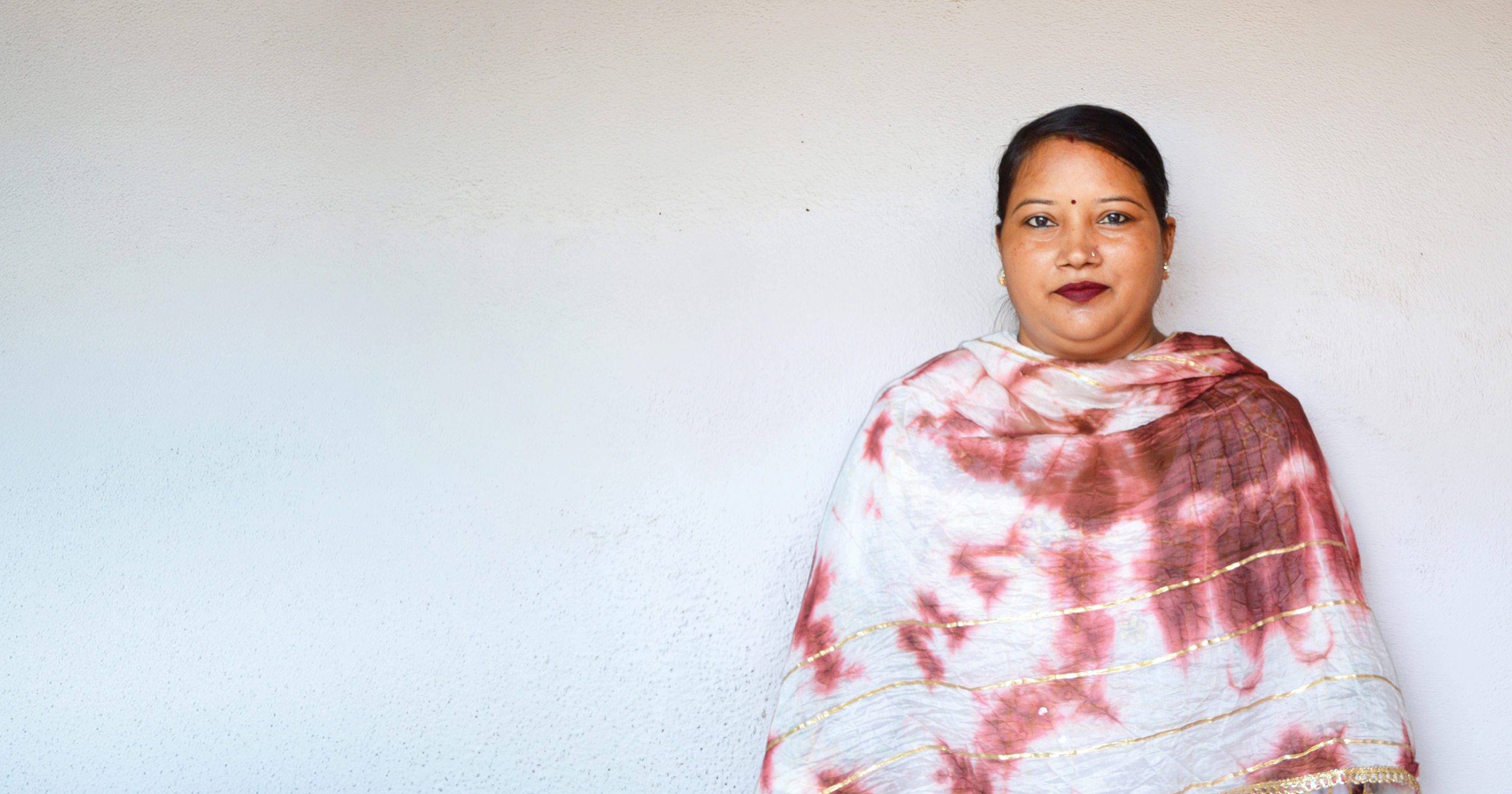
Jacob was one of those elected, and he had a vision for change. Mandeep, who was also elected, has been part of making changes for the women around her.
“When I saw what education could do for children, I knew I wanted that same chance for everyone here. So when we won, we opened every door we could: safe and permanent housing, ration cards for poor families, registering families for government schemes they had been shut out of for years.”
Jacob
“Our Dalit brothers and sisters had never once held office. Now we have, and our women are stepping out: joining groups, working, having a say in their own households, in ways we never could before.”
Mandeep
In the 2024 Panchayat elections, in a village of some 1,500 people, Dogar’s Dalit community didn’t just win a seat on the council. They won every single one. The change since has been immediate: neighborhood roads built, waterlogged land cleared, concrete homes replacing shelters that used to flood, every household finally linked to the government schemes they didn’t know they were entitled to.
Fifteen years ago, one classroom held forty children nobody else would teach. Today, that same community determines its own future. It shows what happens when a community is resourced to educate and organise itself.
We want to see more change like this, more good news reaching the poor and oppressed. The work isn’t finished, and it’s far from guaranteed.
Rising food and fuel costs across the region are forcing families who climbed out of bonded labour to make impossible choices again: pulling children from school, sending them back to work to survive. The long and hard season of change Dogar has lived through could still turn back, without people willing to keep it moving forward.
UnitingWorld supporters across the UCA made this remarkable story possible.
*Dalit is a term derived from Sanskrit meaning “broken”, “oppressed” or “downtrodden” referring to people historically marginalised in Hindu caste society. The majority of Christians in India are from a Dalit background.
Will you help write the next chapter for disadvantaged communities in India?
This project is supported by the Australian Government through the Australian NGO Cooperation Program (ANCP).