Where the forest is called Mother
How the church in West Papua is fighting to restore balance between people and place.
“Papuans call the forest ‘mother’, the coast ‘child’, and the sea ‘father’. These are sacred relationships.”
Albert, GKI-TP elder and conservationist
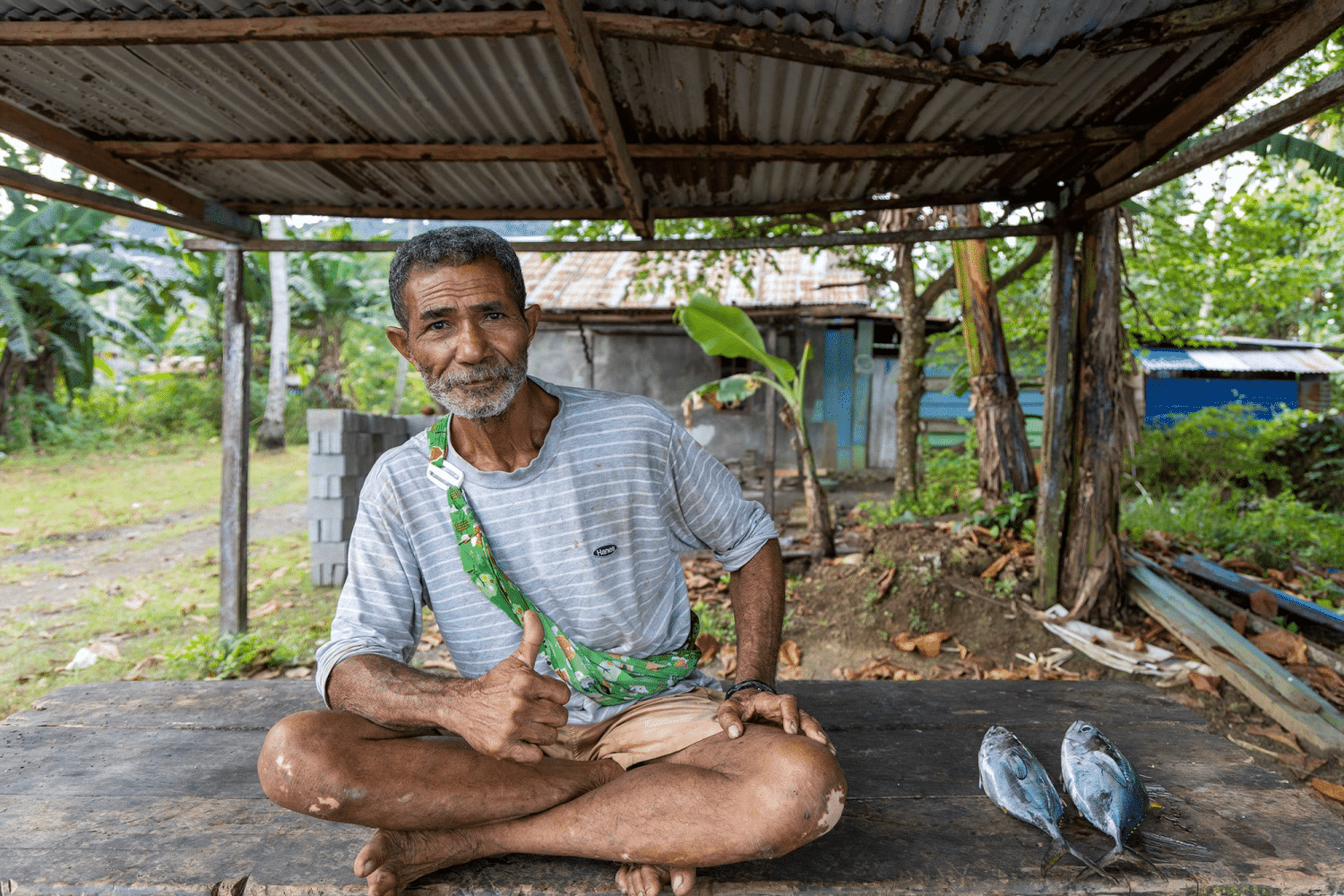
West Papua is home to some of the world’s richest ecosystems. Ancient rainforests, sprawling mangrove swamps, and coral reefs teeming with life.
Together with Papua New Guinea, this region holds the world’s third-largest rainforest, a vital carbon sink affectionately known among conservationists as one the lungs of the Earth, with the Amazon and Congo Basin.
For generations, Indigenous Papuans have lived in deep relationship with the environment around them, for food, water and survival, but also identity, spirituality and culture. Most families are subsistence farmers or fishers who understand the balance between nature and human need without ever speaking the language of climate science.
But today, that balance is breaking down—and families are going hungry.
Despite its natural wealth, West Papua is Indonesia’s poorest province. One in five children is malnourished. And climate change is making life harder for the poorest people.
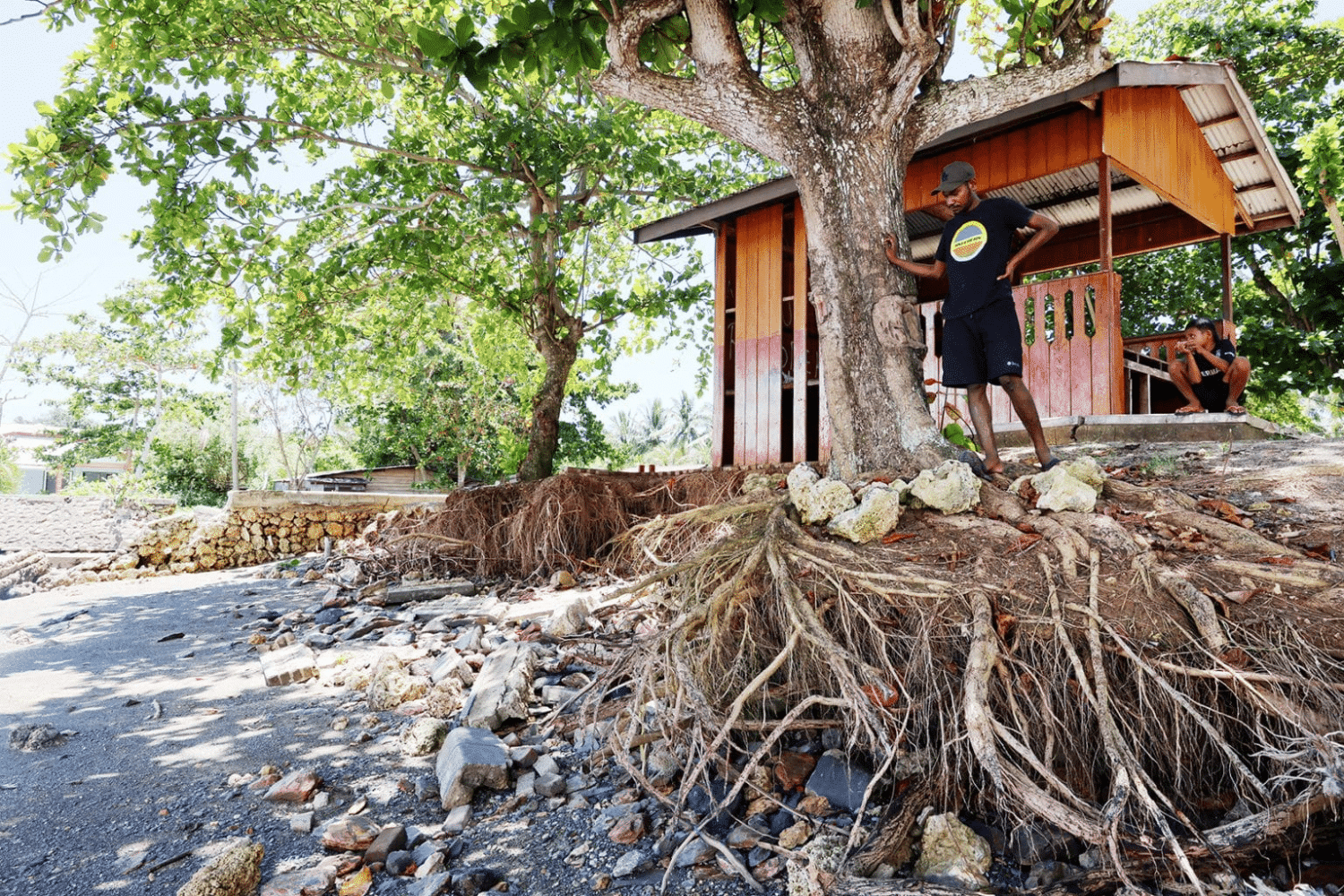
Illegal logging, mining and the effects of climate change are reshaping both land and sea. Floods and erosion are washing away crops and homes. Mangroves that once protected the coastline are being cleared. And as the environment becomes more fragile, so too does life for the people who depend on it.
A church that reaches every village
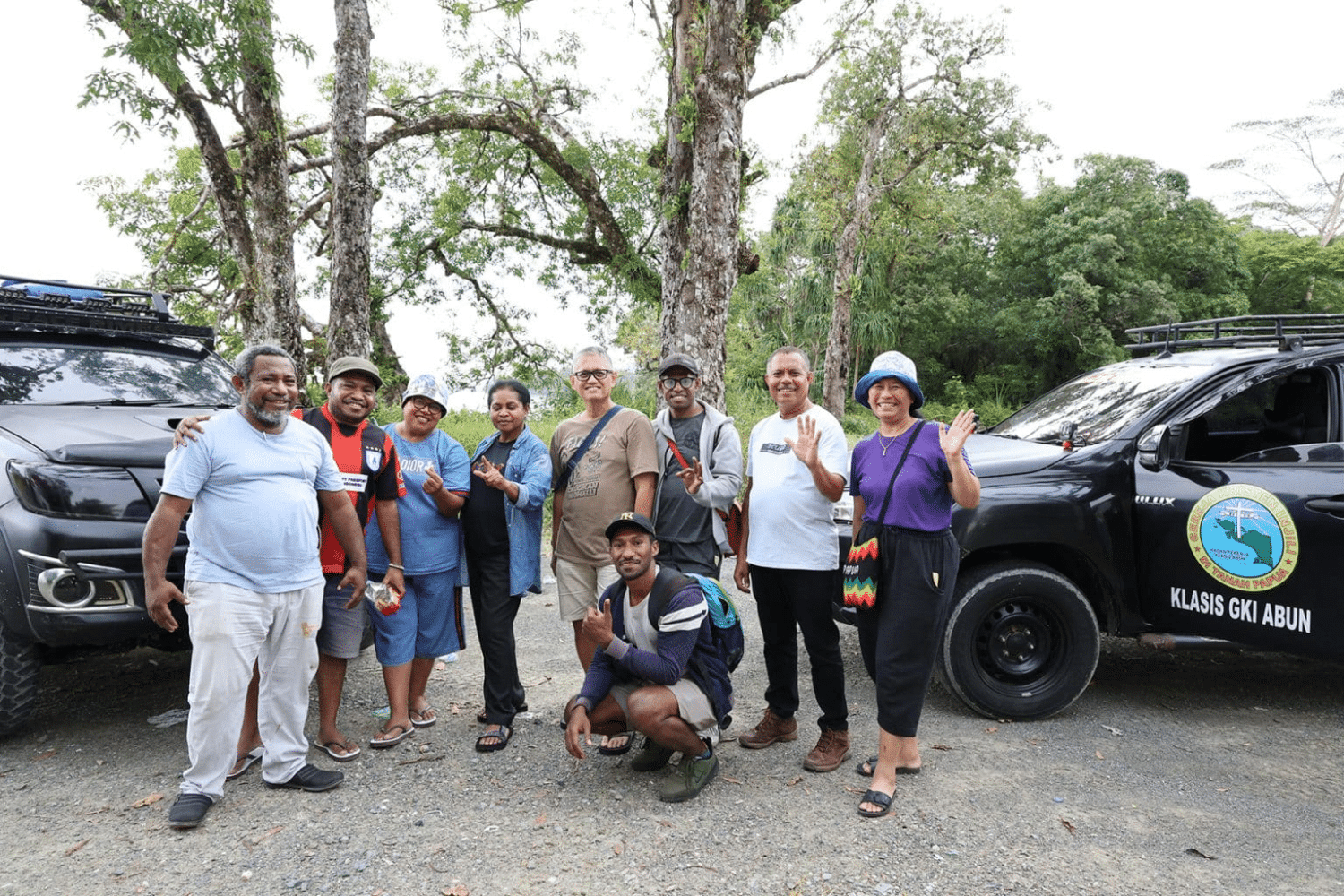
In remote regions like Tambrauw in the far northern coast—neglected by government services and difficult for aid agencies to access—there’s one institution present in every community: the church.
The Evangelical Christian Church in the Land of Papua (GKI-TP) has served West Papuan communities since the first missionaries arrived in 1855. Now fully indigenous, nearly 90% of congregations are in rural areas and the majority of congregational leaders are women. When crisis hits, the church is already there. When others leave, church leaders remain.
With more than 800,000 members, they are the largest civil society organisation in West Papua, with deep roots and significant collective and political power.
Already advocating for the protection of the environment and indigenous land rights, they now want to expand their support for communities struggling through poverty and the growing impacts of climate change.
UnitingWorld partners with churches like GKI-TP who are already leading change and transforming lives and communities. By working together, we can expand the reach of grassroots leaders and support long-term solutions to poverty, hunger and environmental degradation.
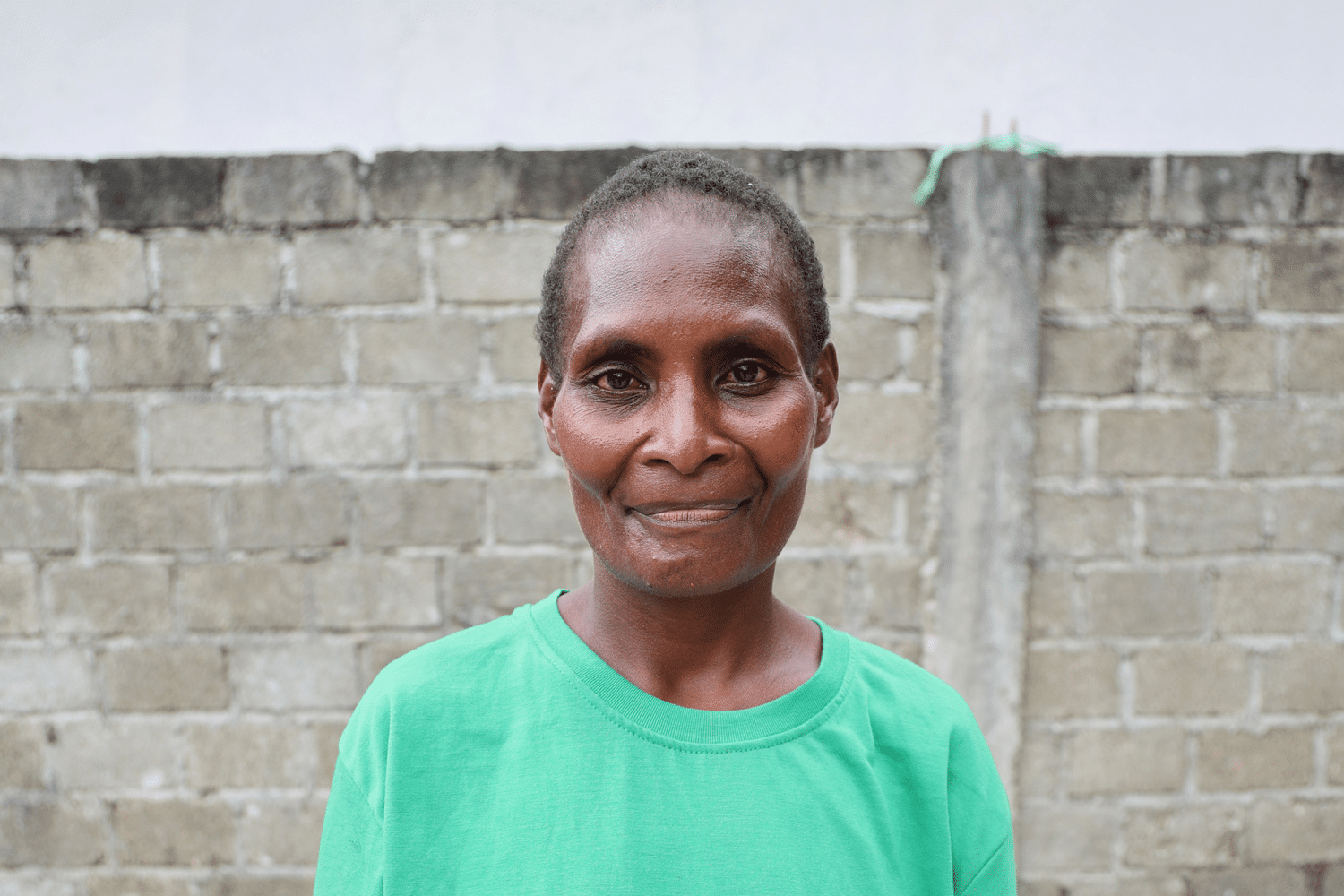
When the GKI-TP team arrived in Tambrauw in the far north coast of West Papua to gather the perspectives of the community, Maria was quiet at first. Her eyes showed the weariness of someone who has endured too much.
But when women and men were separated to share their perspectives, she found courage to speak. And her words—thanking people simply for asking—revealed how deeply neglected these communities have been.
Maria is the mother of eight surviving children. Five others died during childbirth or early childhood.
She raises her family mostly alone, working from dawn until nightfall—tending her food garden, then working shifts at a co-op making moisturizer from a local fruit tree. She provides food, takes her children to school and church, and hopes they might escape the poverty she has known.
But climate change is making everything harder.
“The wet and dry seasons are becoming more extreme. When it’s dry, we plant in the flat areas and must water constantly. When the rains are heavy, we can only plant on the hills.”
Maria
Maria’s story opened the door. Other women nodded in agreement. And what the team heard over the following days made it clear: poverty and climate change are making hard-working families like Maria’s utterly vulnerable to hunger, sickness and disaster.
Things are getting worse, but solutions are possible.
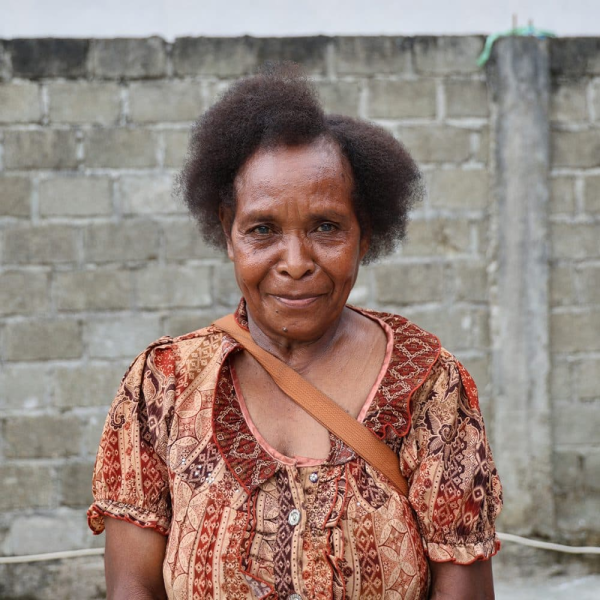
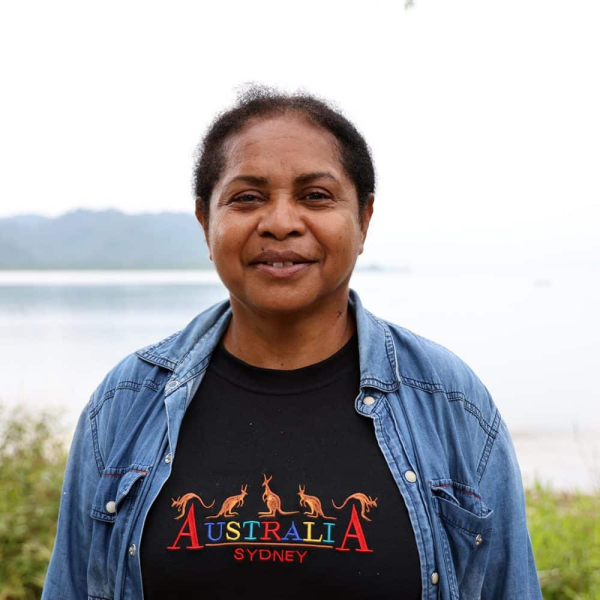
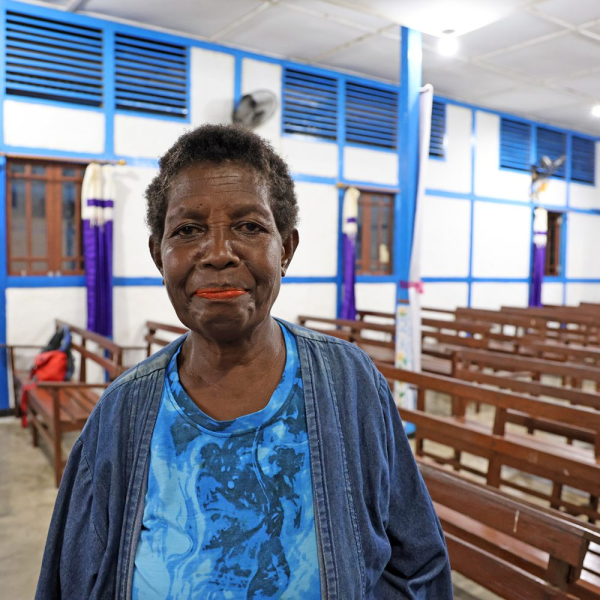
Leaders with a heart for people and place
GKI-TP’s statement of faith commits the church to caring for the environment to ensure the flourishing of future generations. The statement has had a huge influence, inspiring leaders to organise grassroots efforts to conserve the lands people depend on.
Albert is an example of the power of theology. He once spent 20 years working for one of the world’s largest mining companies operating in West Papua’s highlands. The job was secure. The pay was good.
But something gnawed at his consciousness.
He watched forests disappear. He saw communities displaced. He knew most of the wealth flowing out of the ground wasn’t staying in Papua.
“I started asking myself: Can we grow an economy from protecting nature rather than destroying it?”
So he left mining and dedicated himself to answering that question.
Now, as an elder in GKI-TP, Albert runs education programs teaching children and youth about the forests, rivers and reefs that surround them. He started his own foundation. He works with schools, government and academics. He’s won awards for his conservation work. Albert believes:
“Conservation is a form of Christian faithfulness. It is a response of gratitude for God’s provision of the forests, rivers, and seas that feed and house us. We Papuans call the forest ‘mother’, the coast ‘child’, and the sea ‘father’. These are sacred relationships. But without good leadership, we are losing them.”
Continue reading…
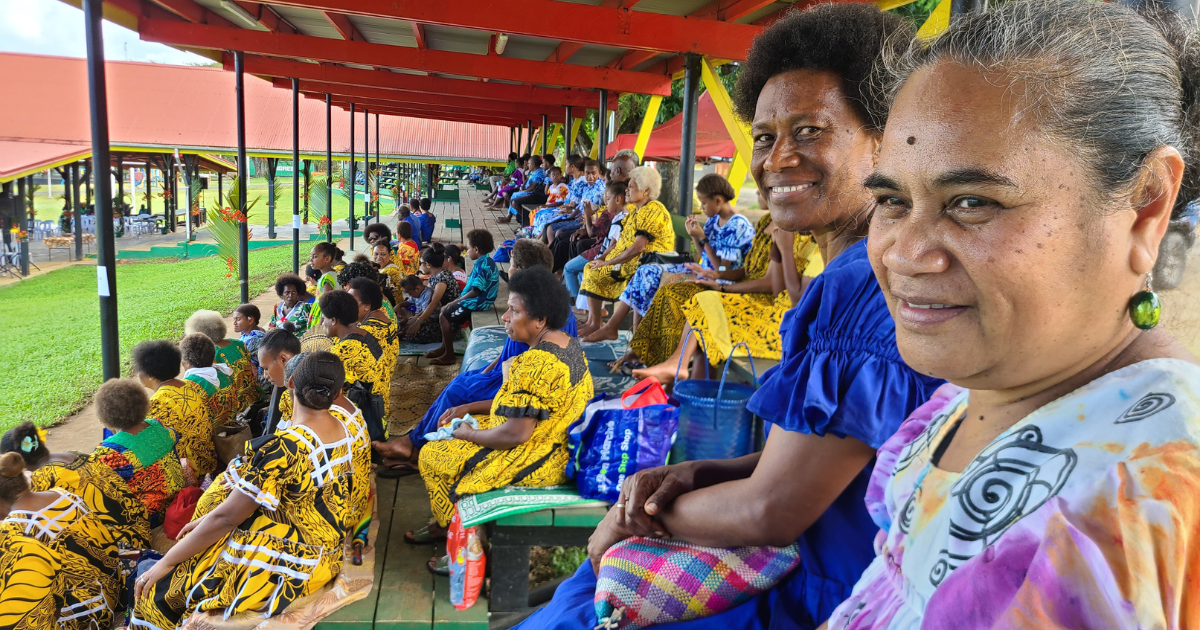
Deepening our impact on gender justice
It’s the ten-year anniversary of the Gender Equality Theology resources, which ignited a collaborative movement across the Pacific Church. That movement has been working to reshape how families and intimate partners across the region share power, partnership and faith ever since.
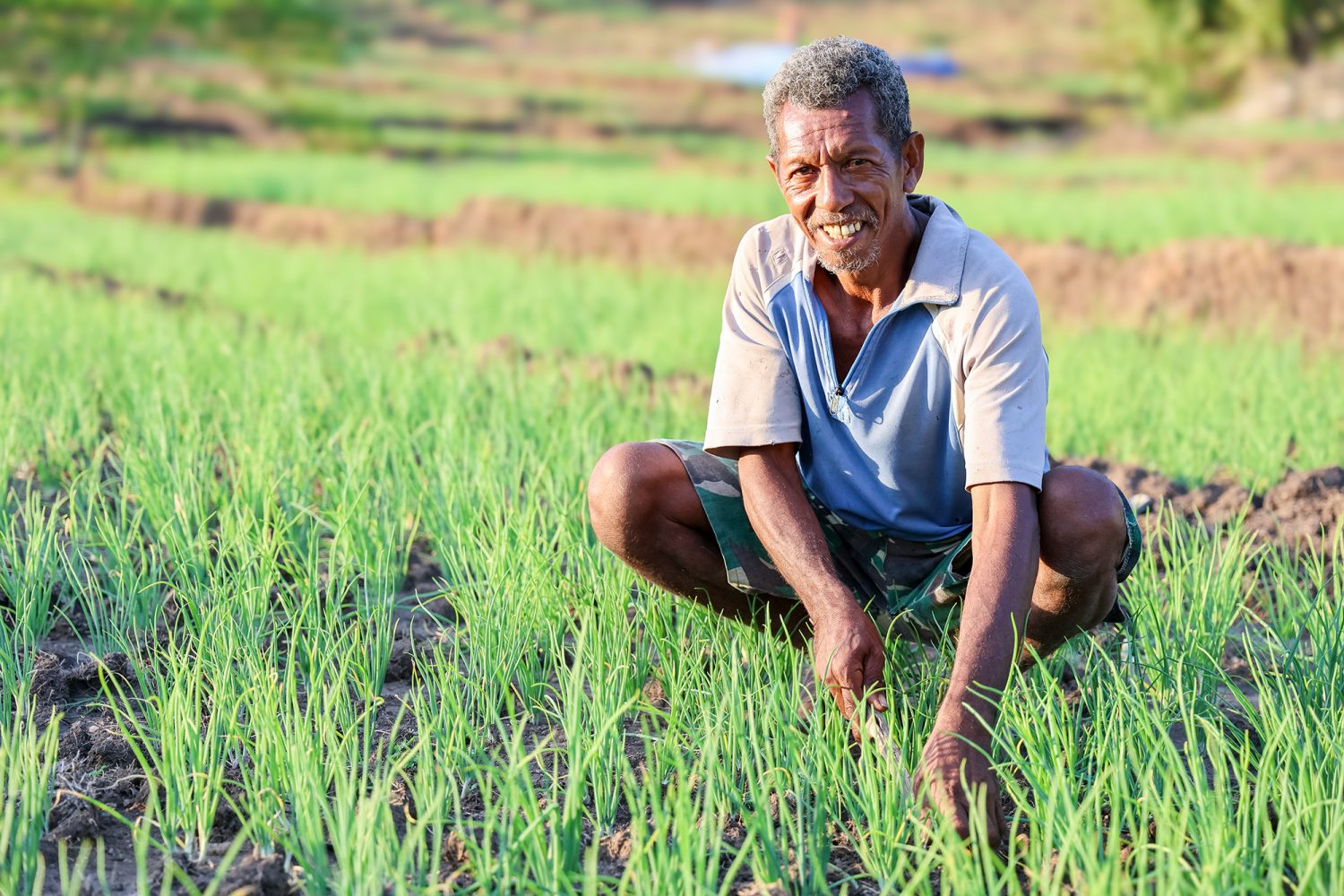
When the food garden fails
A family in Timor-Leste faces hunger as climate change disrupts the land they depend on, but finds hope through partnership and faith.
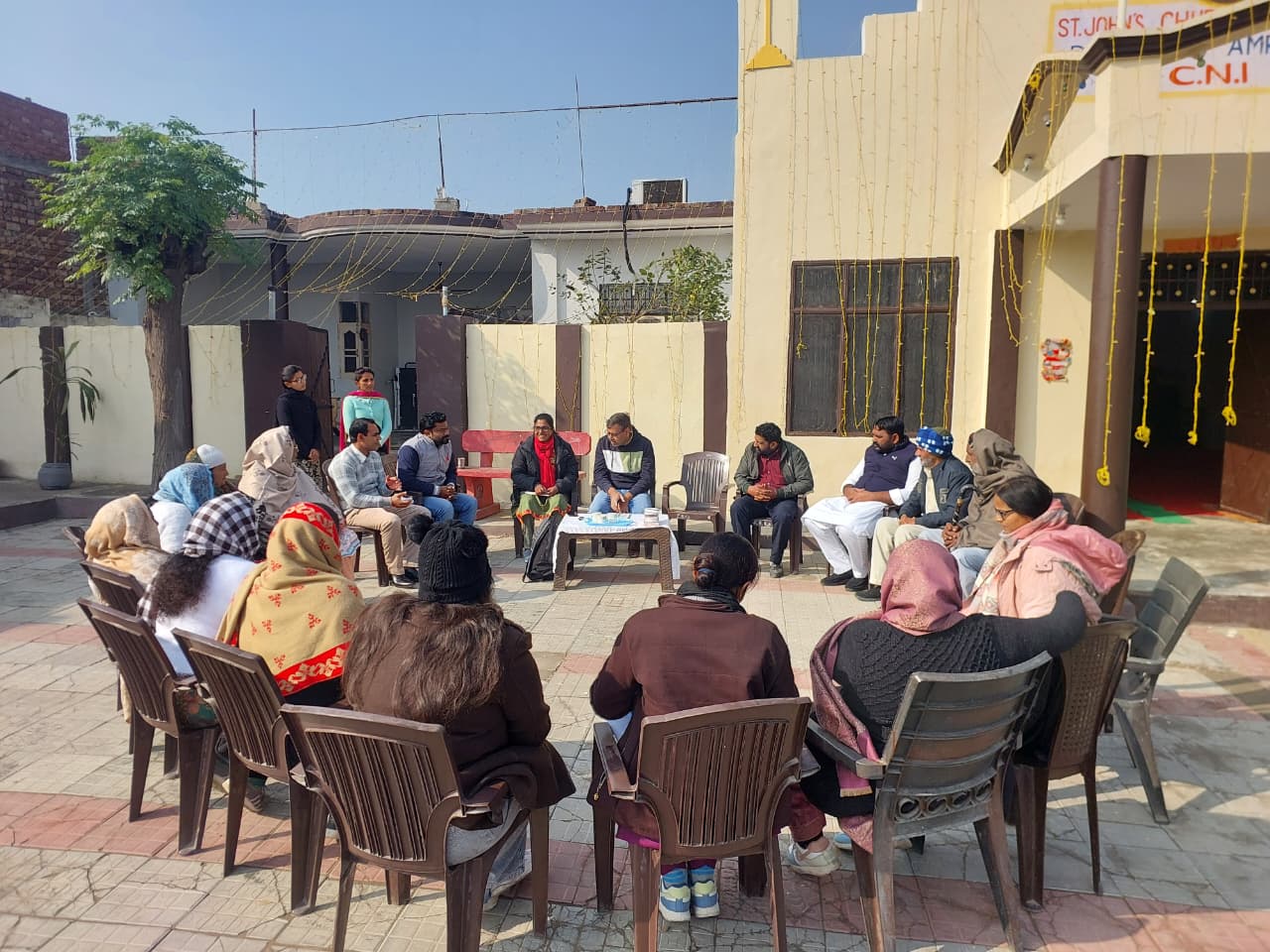
From the cowsheds to the council chamber
For generations, a Dalit* community near the India-Pakistan border had no land, no vote, and no say over their own lives. Then one small classroom changed everything: first for the children inside it, then for the whole village.
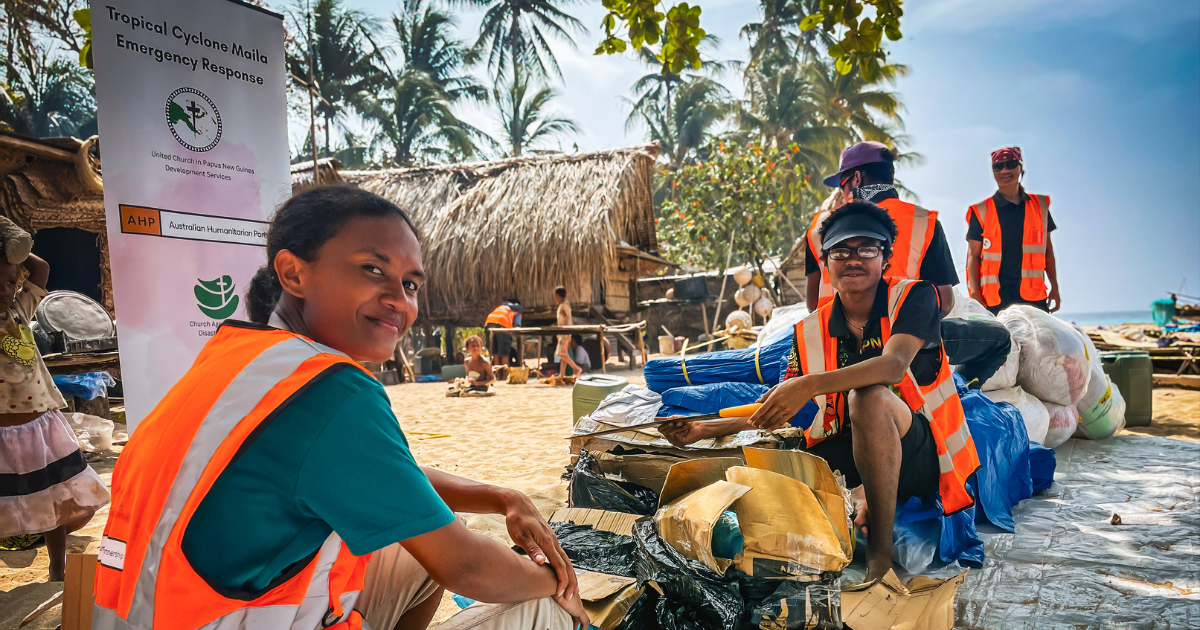
Emergency cyclone response in Milne Bay Province, PNG
Category 5 Tropical Cyclone Maila passed over eastern Papua New Guinea between 6 and 8 April 2026, caused severe destruction across multiple provinces. On the remote outer islands of Milne Bay Province, wells and gardens that sustain whole communities were damaged. In response, the United Church in Papua New Guinea (UCPNG), supported by the Australian […]
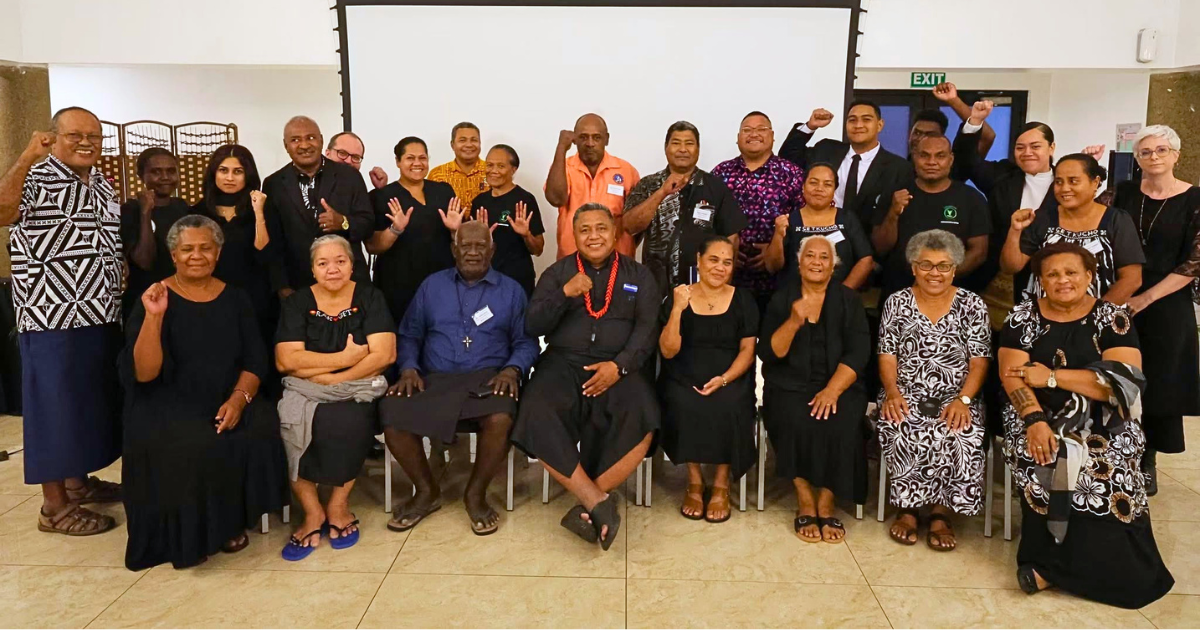
New devotional series for 16 Days of Activism Against Gender-Based Violence
UnitingWorld is thrilled to announce the launch of a new devotional series developed by Pacific church and faith leaders in collaboration with UnitingWorld: 16 Days of Devotions: A devotional series for use during the 16 Days of Activism Against Gender-Based Violence.
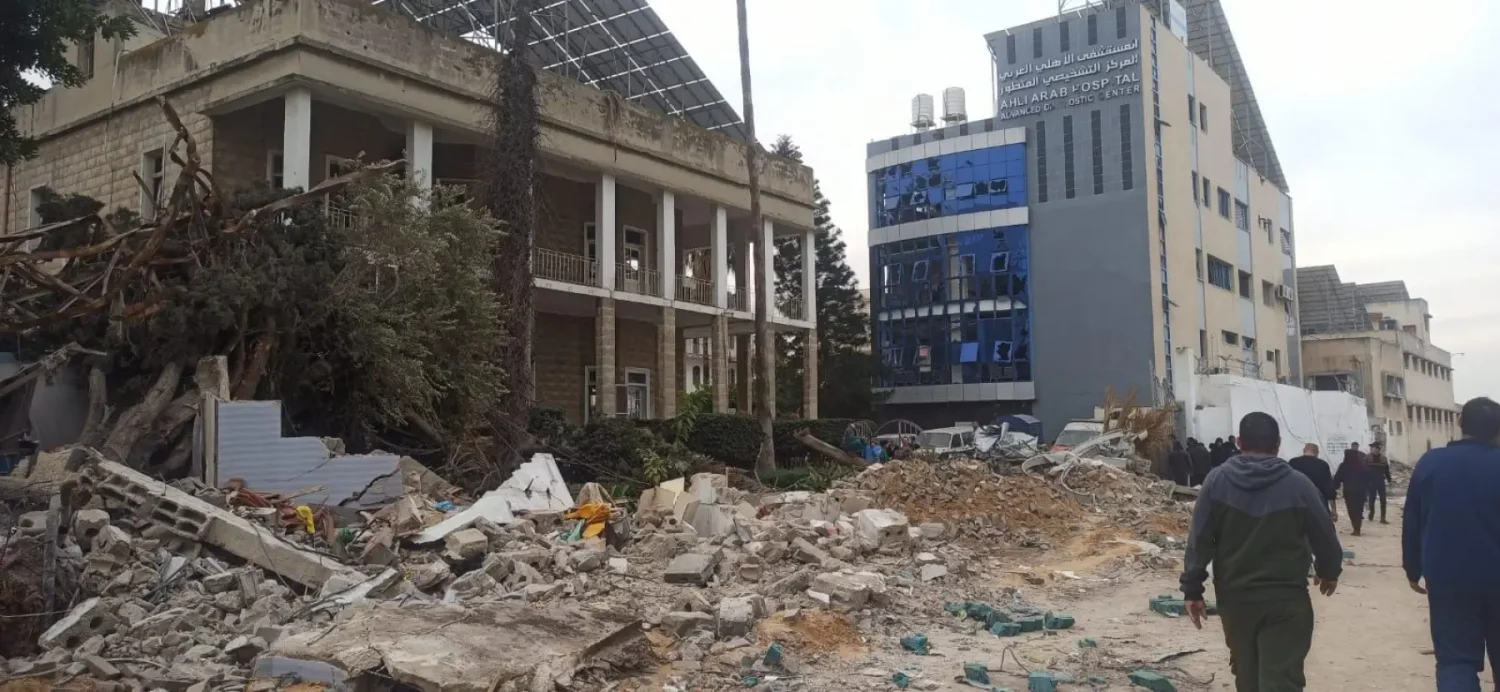
Gaza Crisis Appeal Update, Nov 2026
In Gaza, lack of water and sanitation, shelter, food and medicine is causing serious health challenges. The funds raised will go toward staff salaries at Al-Ahli, Gaza’s only Christian hospital. A place where everyone, regardless of background or faith, receives treatment.
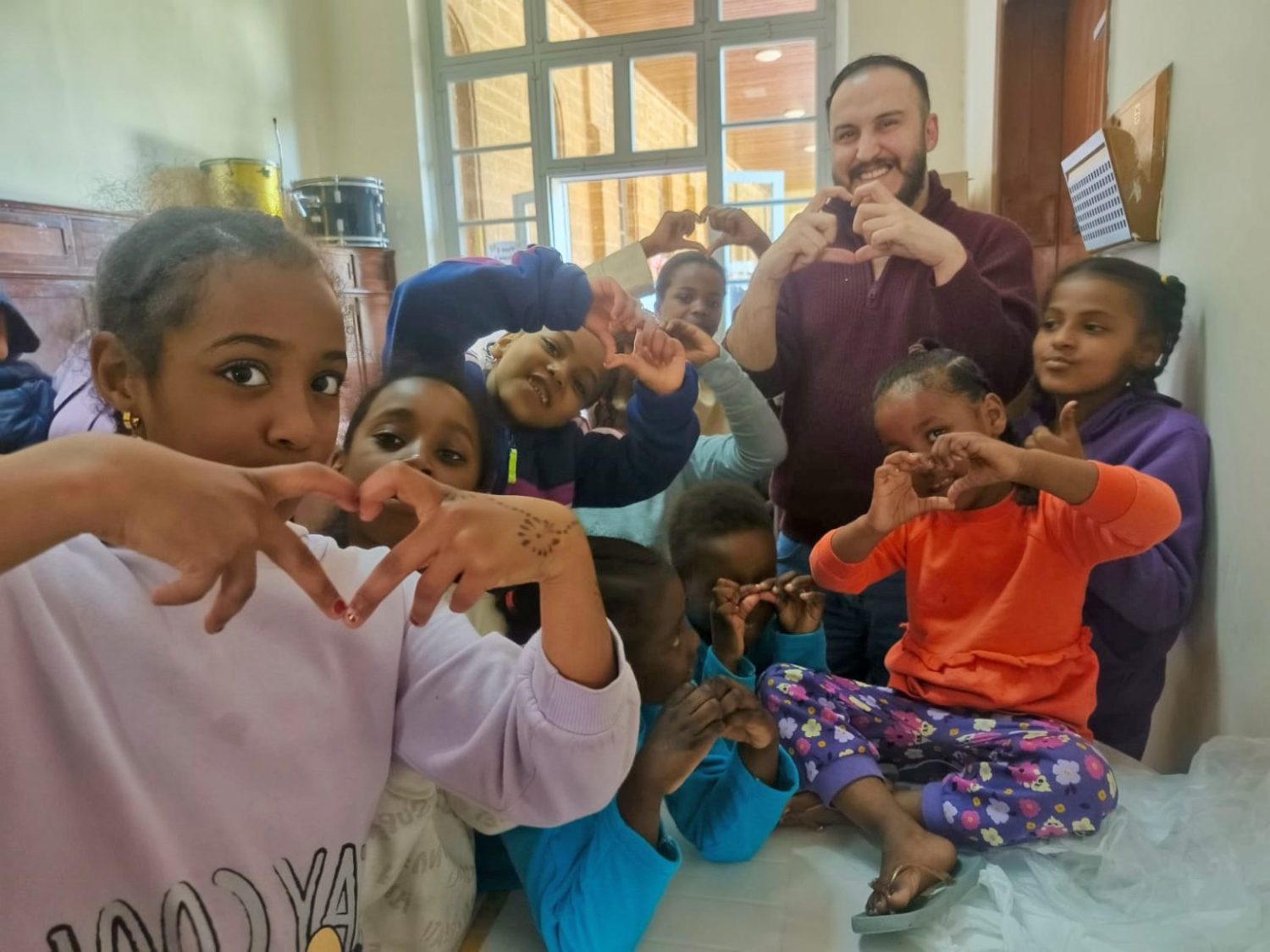
Your gifts in action: Middle East Emergency Appeal, Oct 2026
The Middle East Council of Churches (MECC) ”Light of Hope” relief operation is already underway. Working through local churches, municipalities, and trusted community networks, MECC can reach families that no one else can.
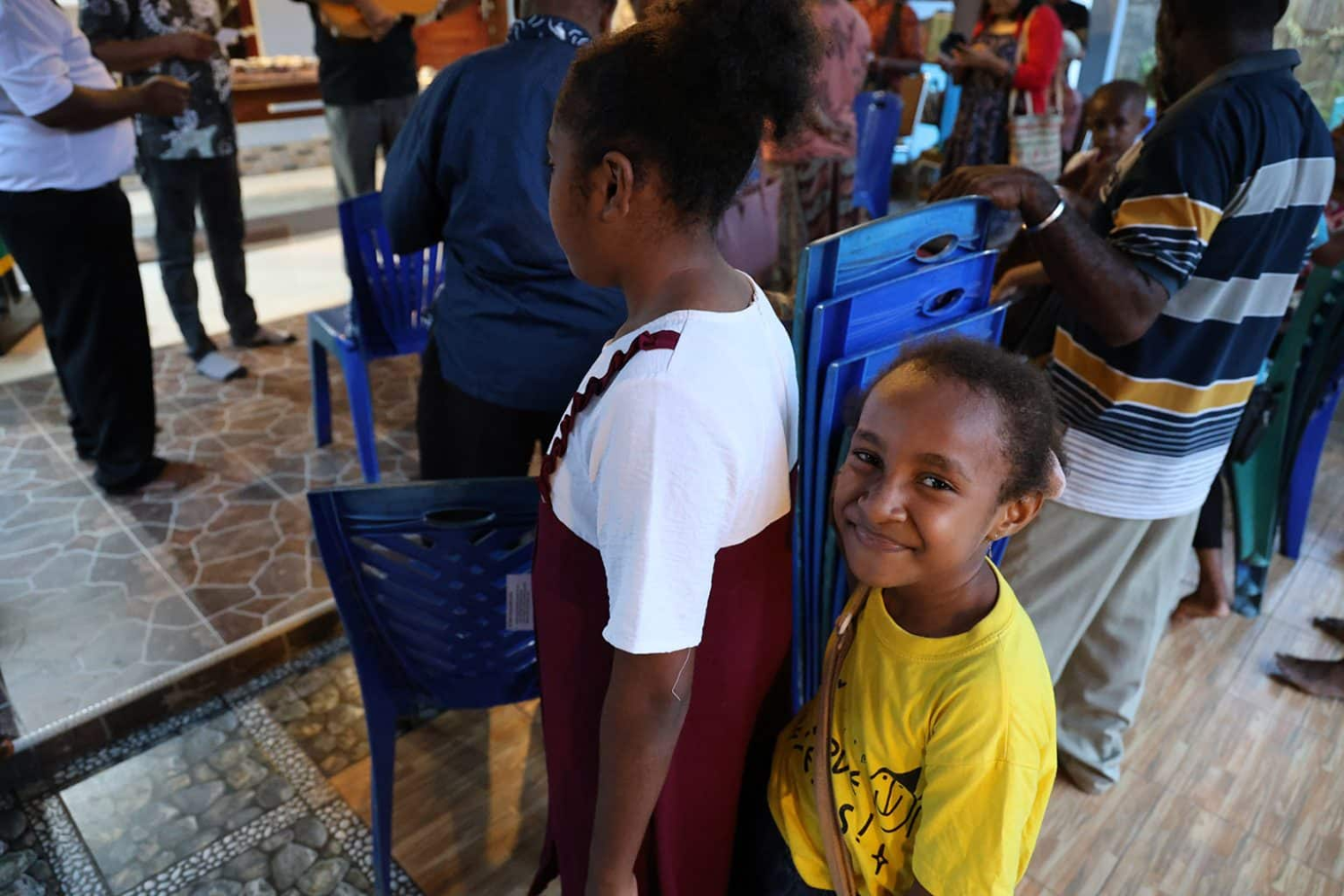
Stand with communities building a different future.
Every single person is valuable and deserves to live with hope and dignity. The communities we work with are our global neighbours, and we are physically and economically.