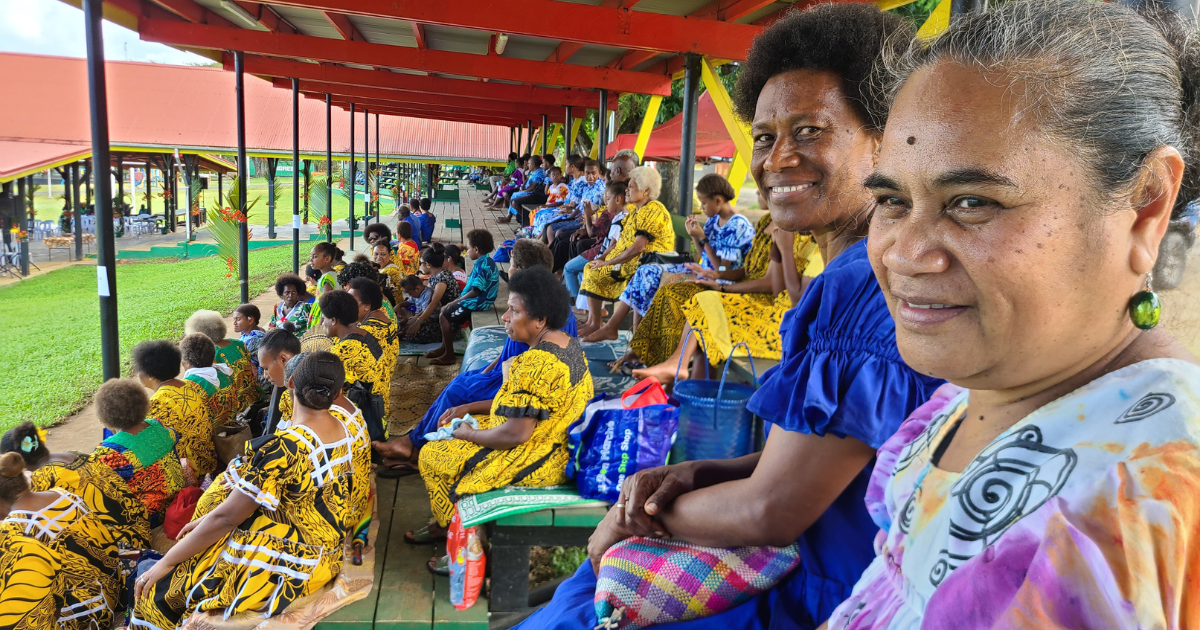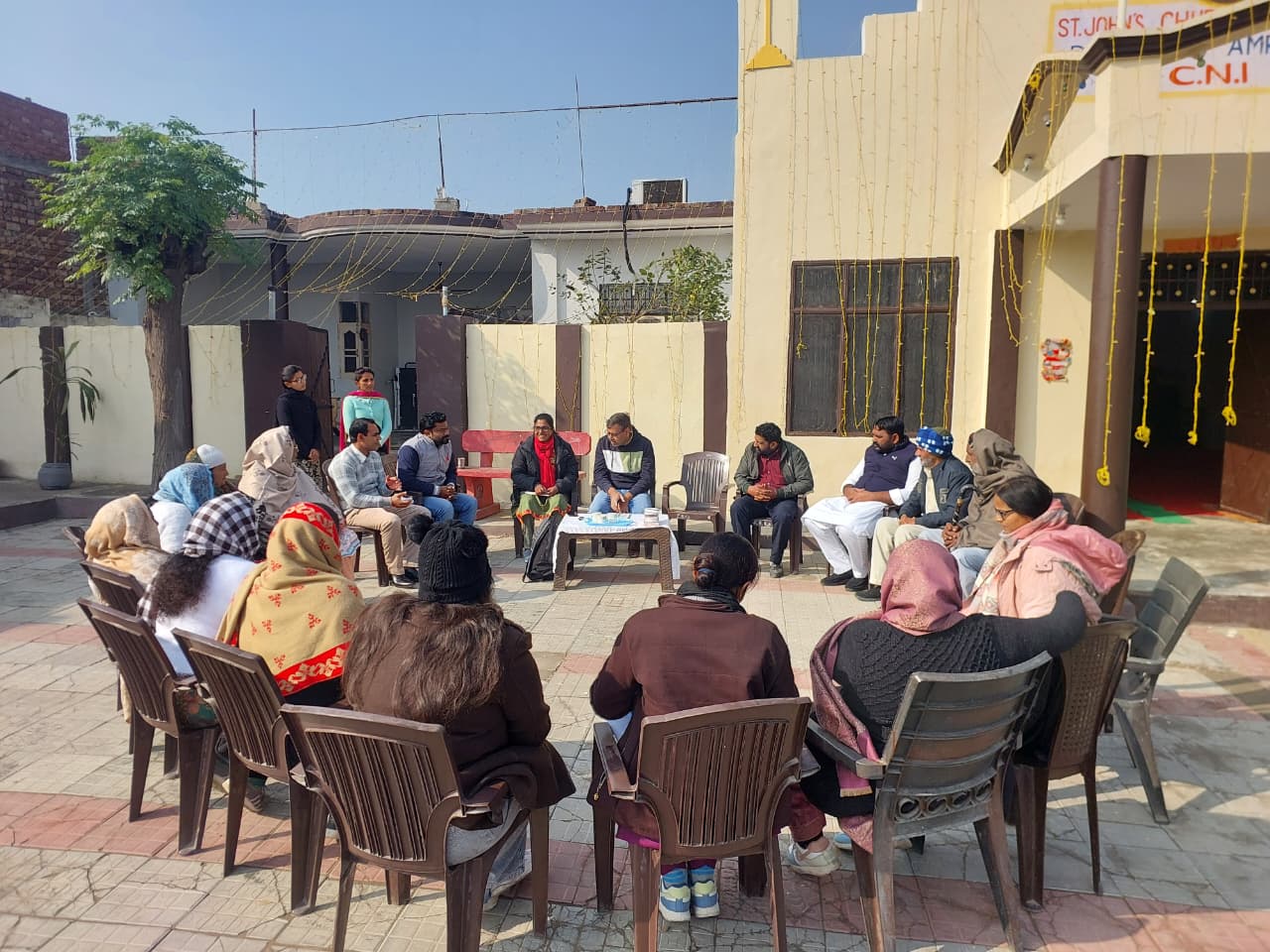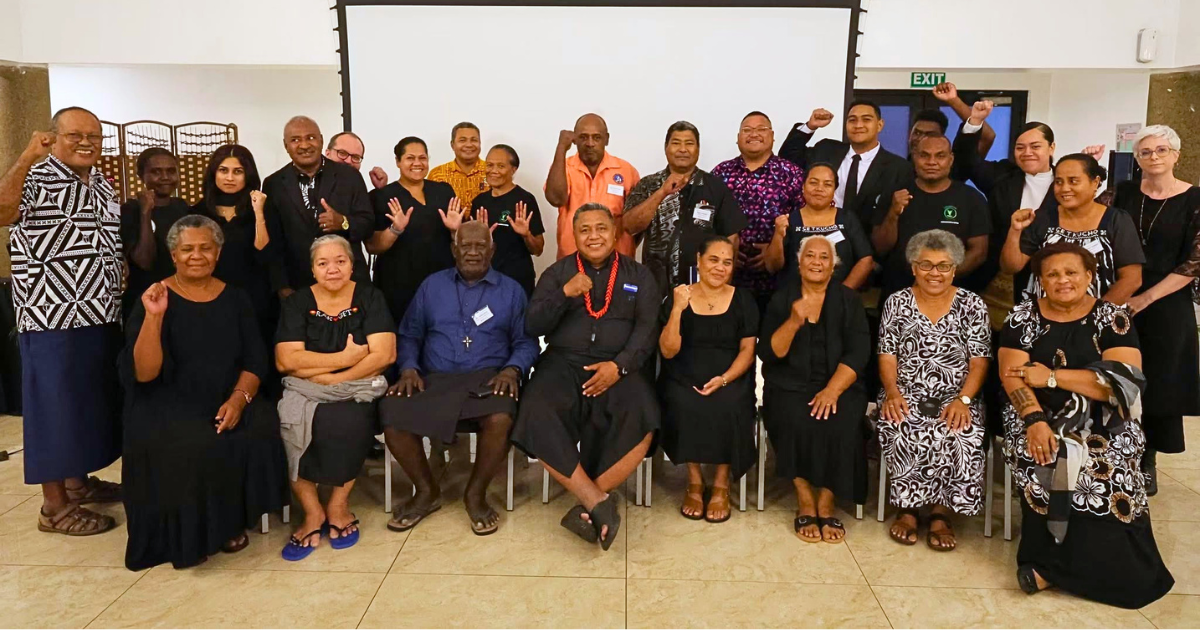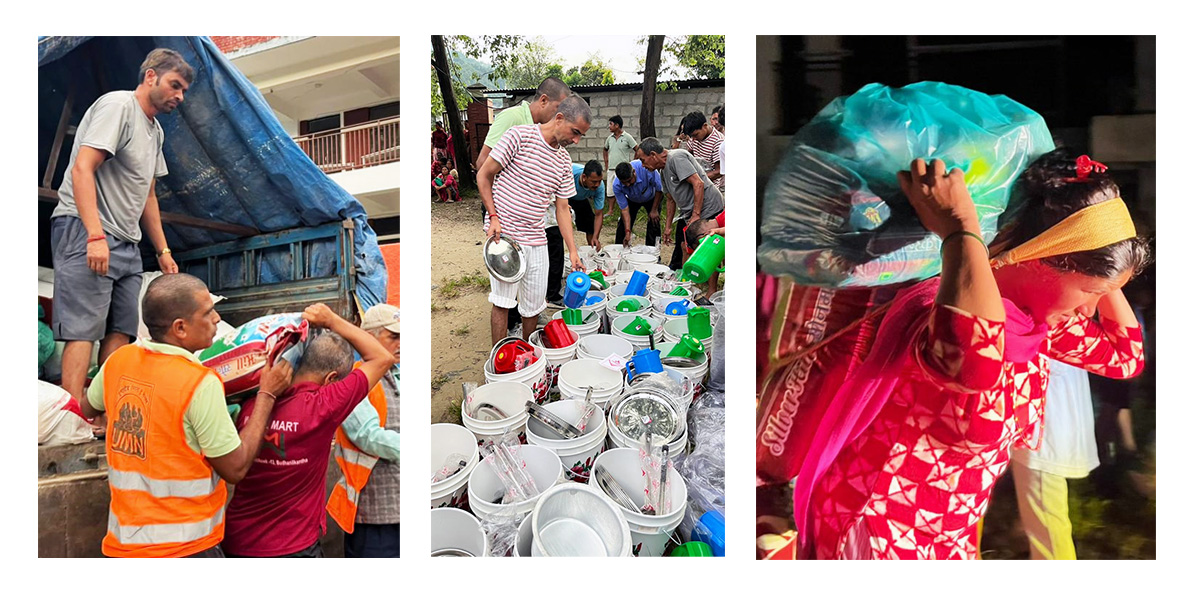
Workshops conducted by our church partner, Kiribati United Church, help isolated communities to tackle both climate and gender issues.
During one workshop, in Golden Beach, we heard that the community is struggling with a lack of clean water. They do not have a well and rainfall is infrequent so rainwater collection is not effective either. There is piped water, but it only runs two or three times a week.
Hygeine is affected as people are unable to wash their plates and clothes, and they are unable to grow vegetables as brackish water from frequent seawater incursions kills the plants.
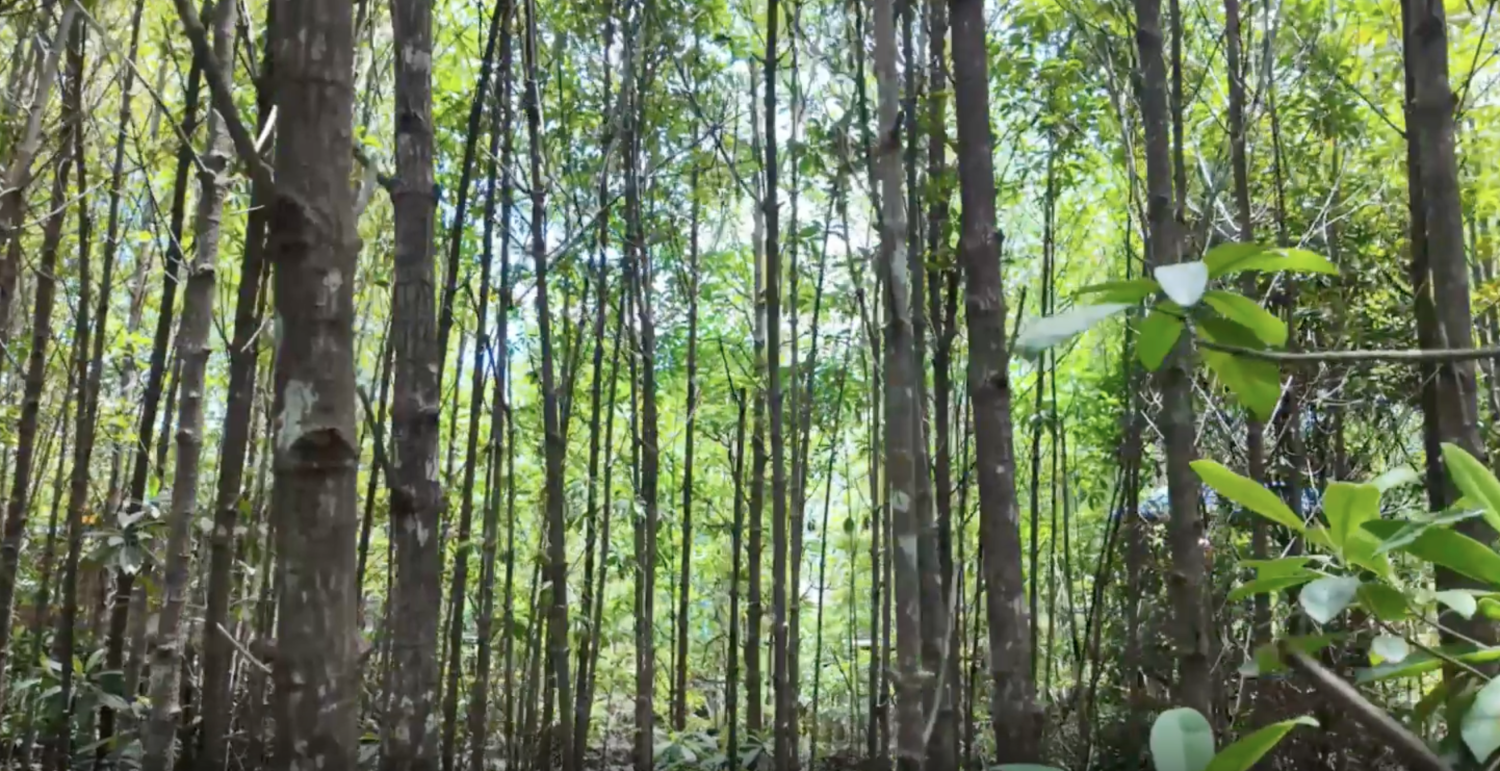
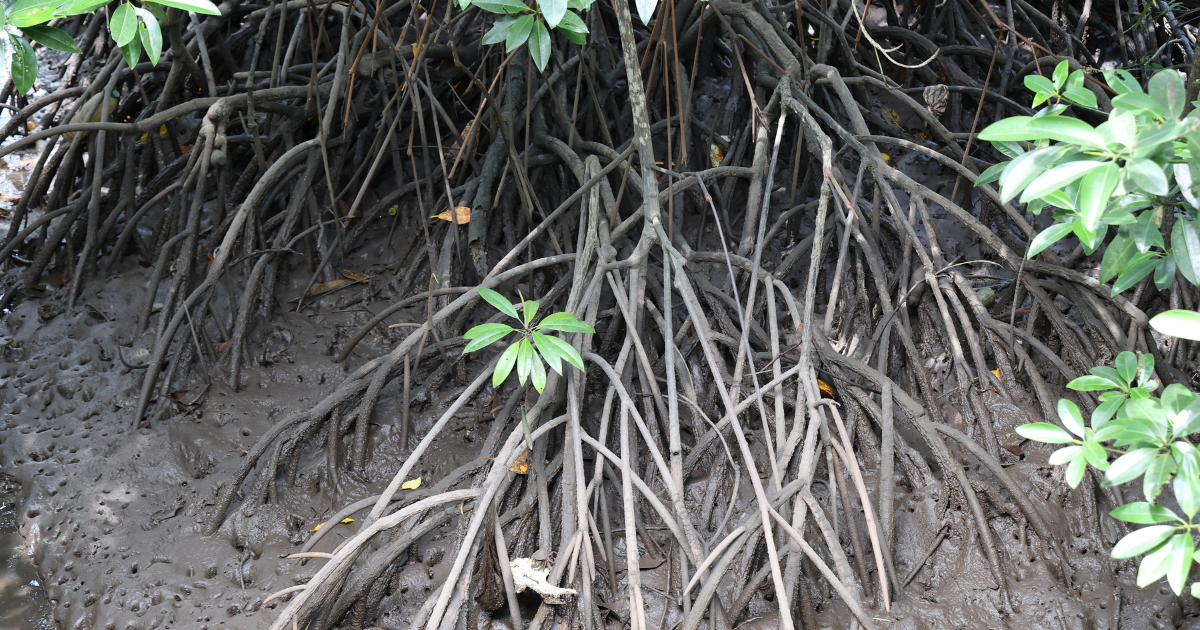
There is a water source some way inland, but the way is very rough, passing through mangrove swamps.
Further discussion revealed the gender element to the community’s water struggles.
Although many of the men are not employed, they have been unwilling to participate in tasks traditionally known as “women’s work”. This lays a heavy burden on the women as they are responsible for earning income through making and selling handicrafts and food, providing for their families’ daily needs for food and nurture, fulfilling commitments to community initiatives, and collecting water.
By emphasing the equal dignity of women and men, the workshop made it possible for the community members to explore how to better balance the responsibilities of the household and community to cope with the challenges of life on the climate frontlines.
After the workshop, one participant said he came in with a ‘Kiribati mindset’ on gender roles, saying it was a women’s role to walk through the mangroves and fetch the water. But now, he knows that these are the responsibility of both men and women.
“We have to work together, side by side for the fullness of life in our community. Not just women doing things, but we have to work together so we can live happily with our families.”