Village Health and Climate Resilience, West Timor (NTT)
In the villages of Alor and Rote in eastern Indonesia, many mothers go without enough nutritious food, and East Nusa Tenggara has some of the highest rates of child stunting in the country. Coastlines are eroding and farmland is drying out, so keeping children well gets harder every year.
Tanaoba Lais Manekat (TLM), the development agency of the Christian Evangelical Church in Timor, works with villages on Alor and Rote in East Nusa Tenggara (NTT) so mothers and children stay well and families can make a living through long term shifts in climatic conditions and weather patterns. At the heart of it are village health workers, local people trained by TLM to support pregnant women, new mothers and children who aren’t growing well. They monitor pregnant women for anaemia, teach healthy diets, and make sure no pregnancy goes unnoticed and unsupported.
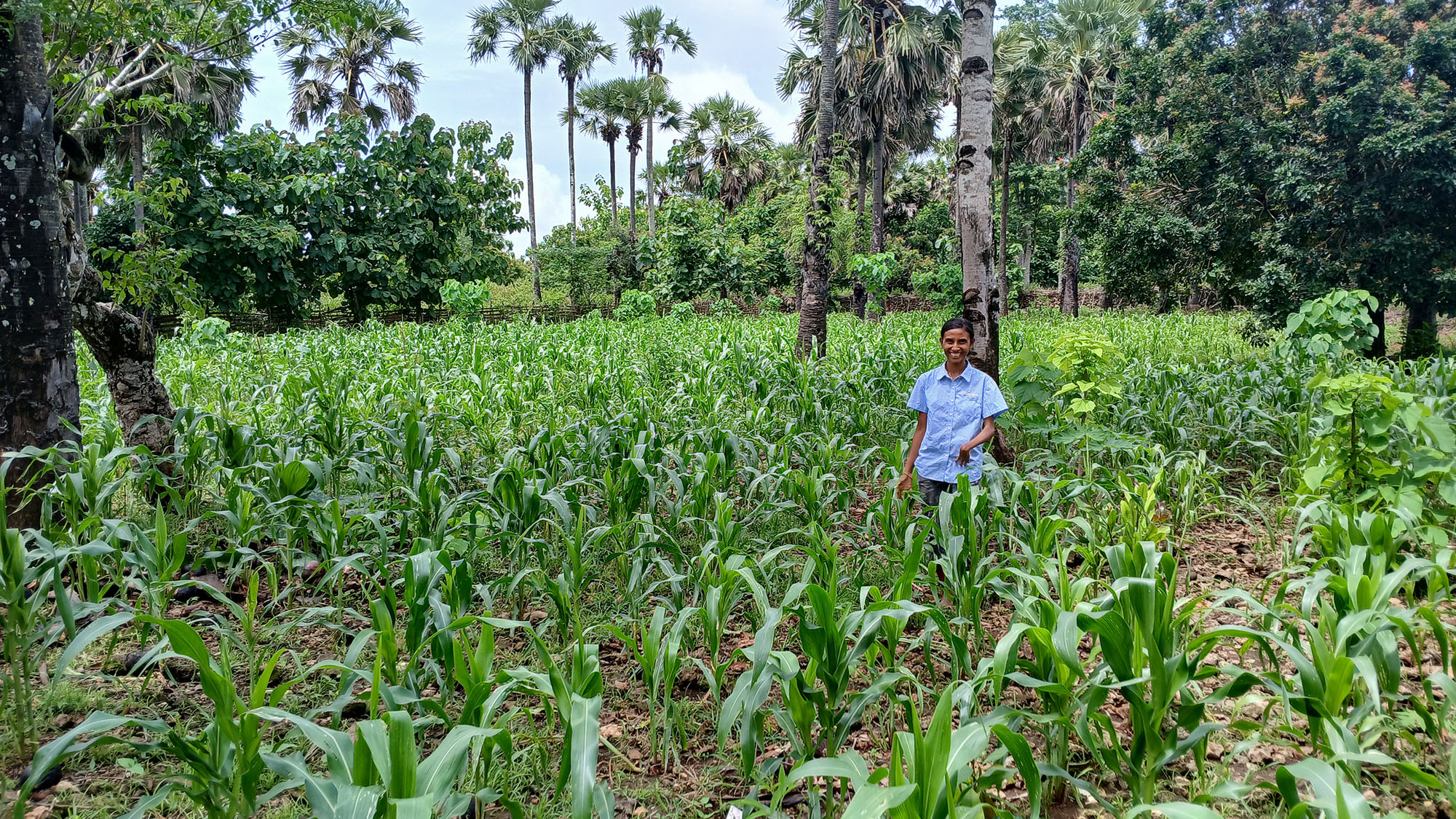
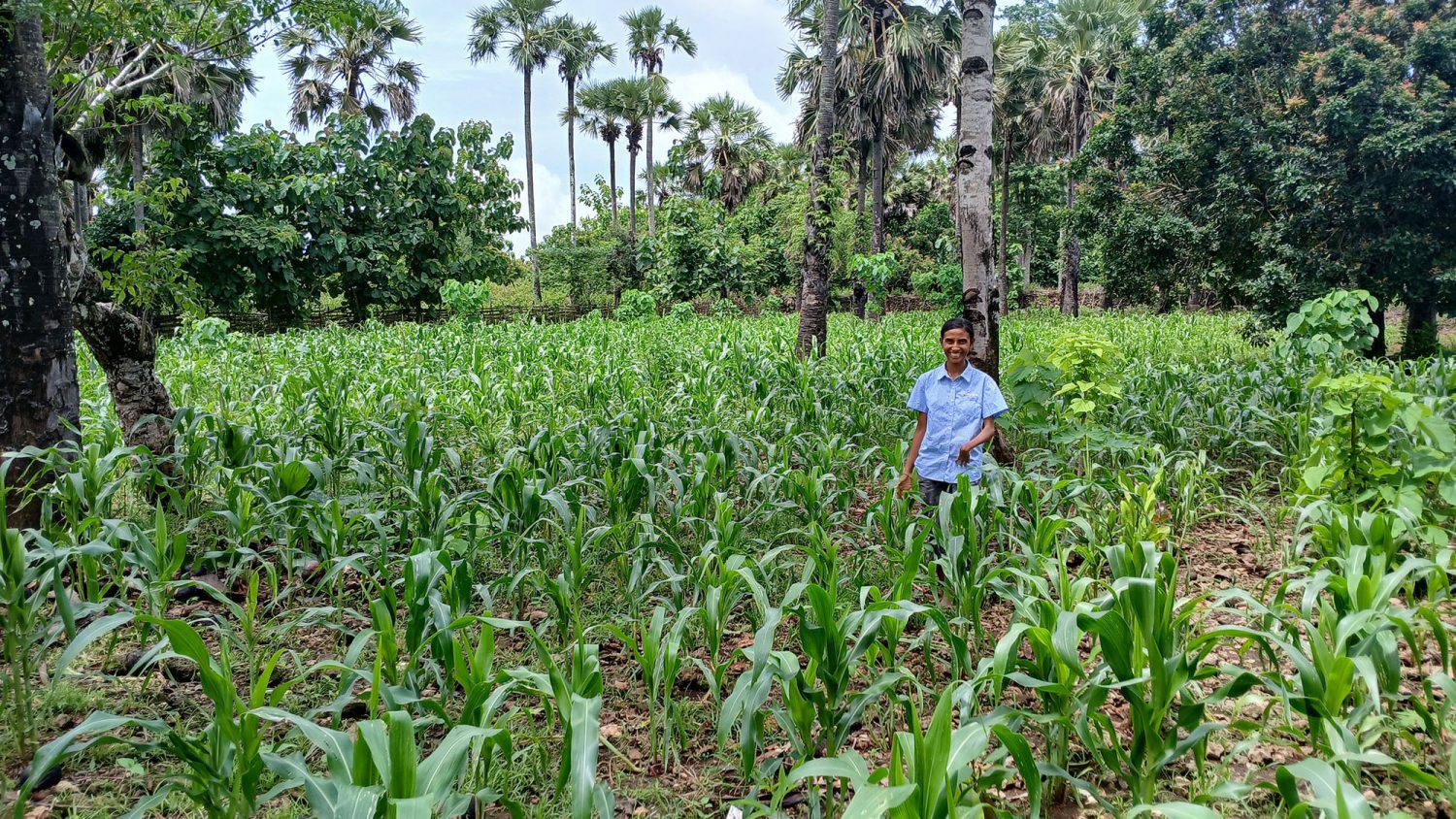
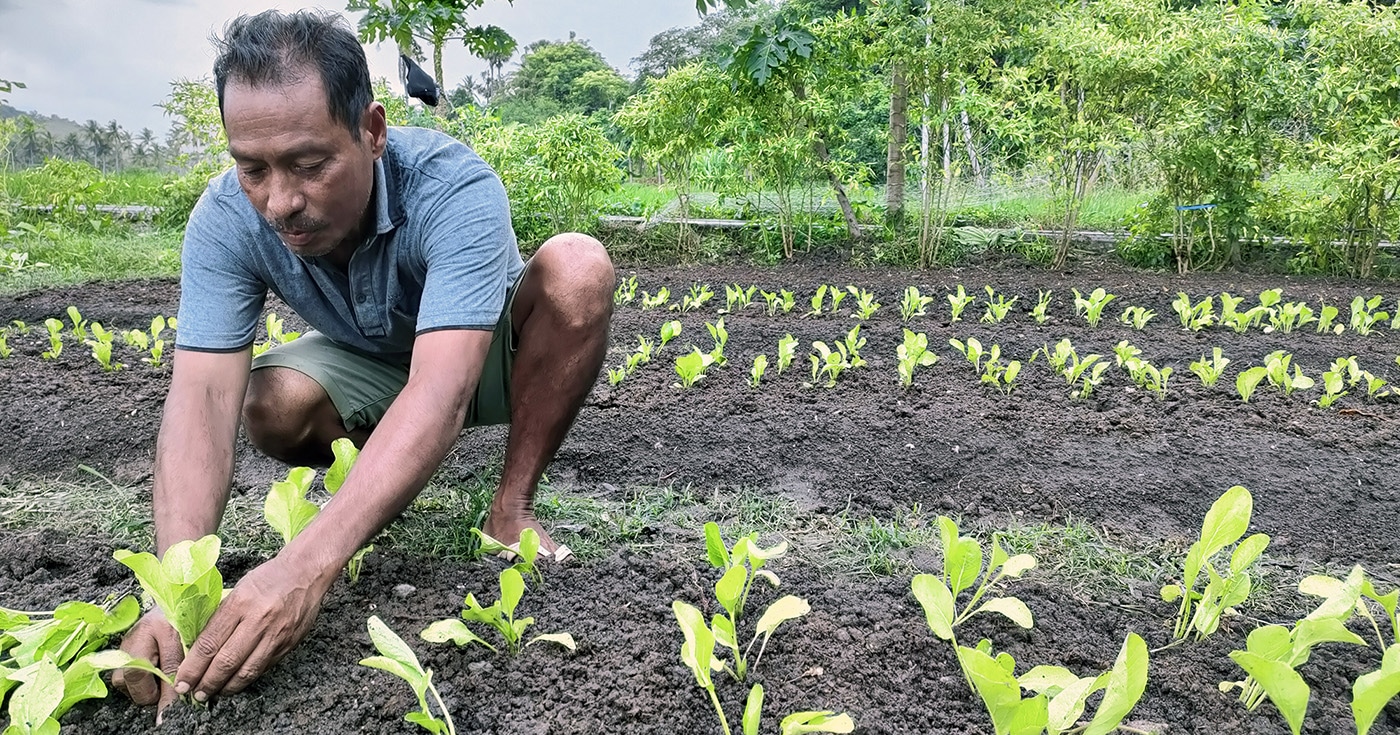
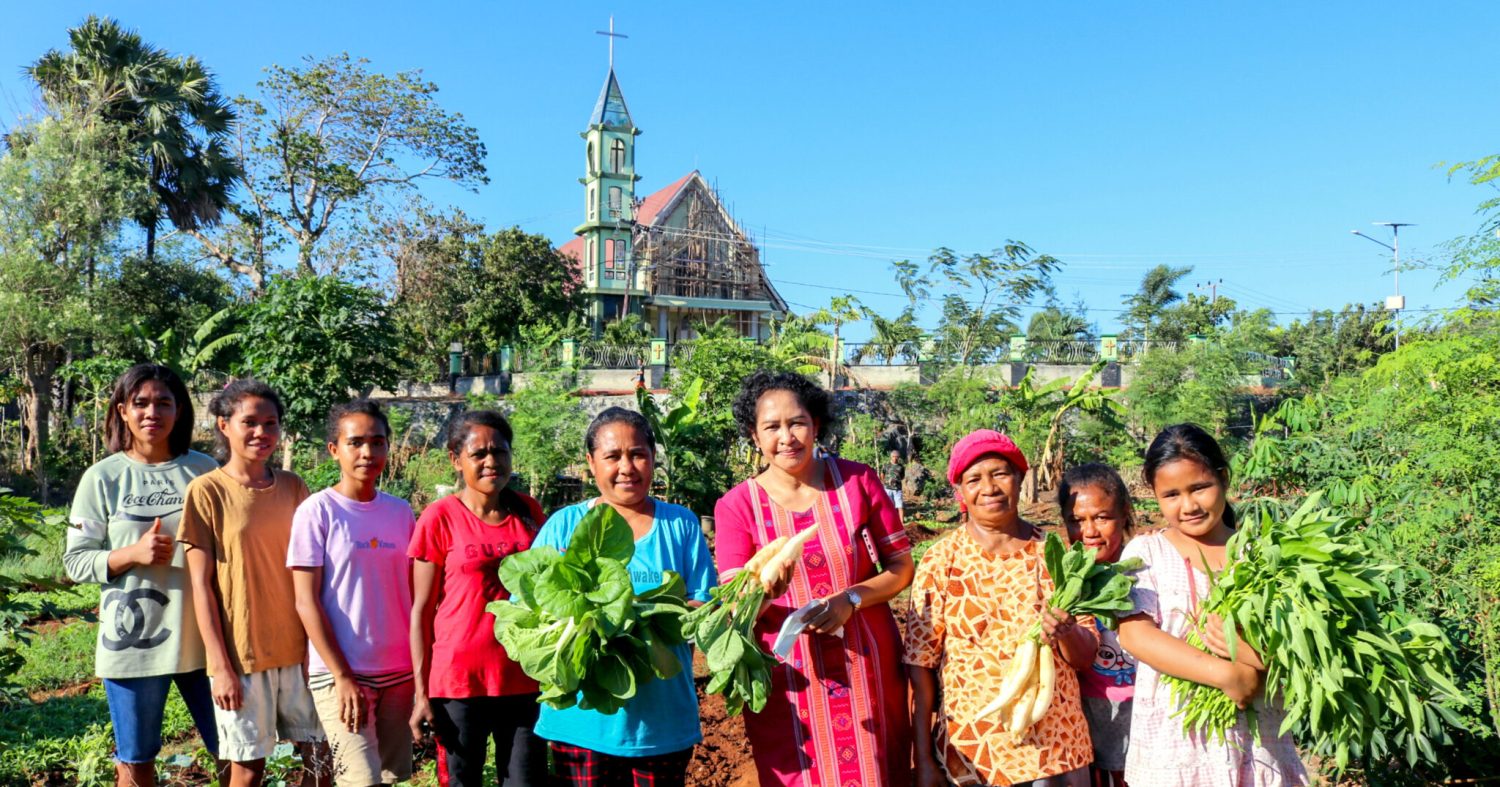
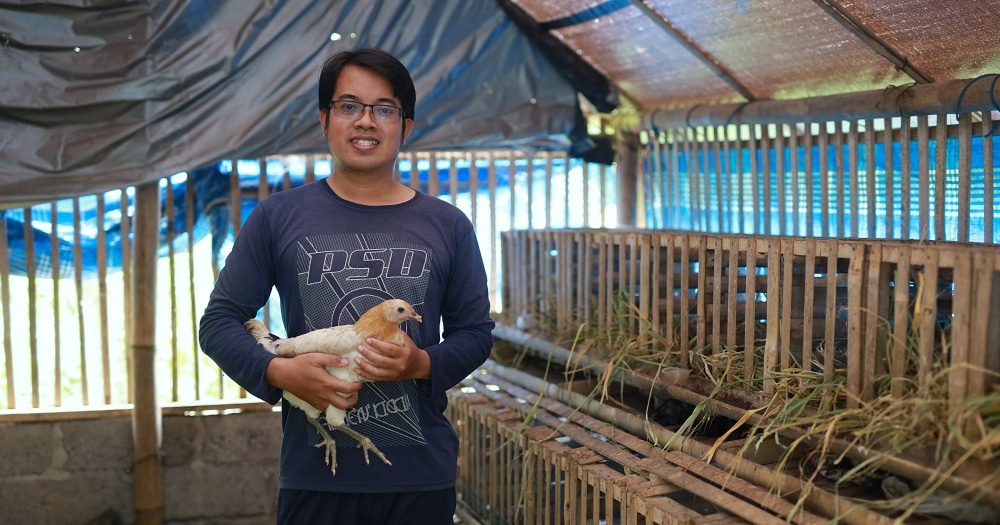
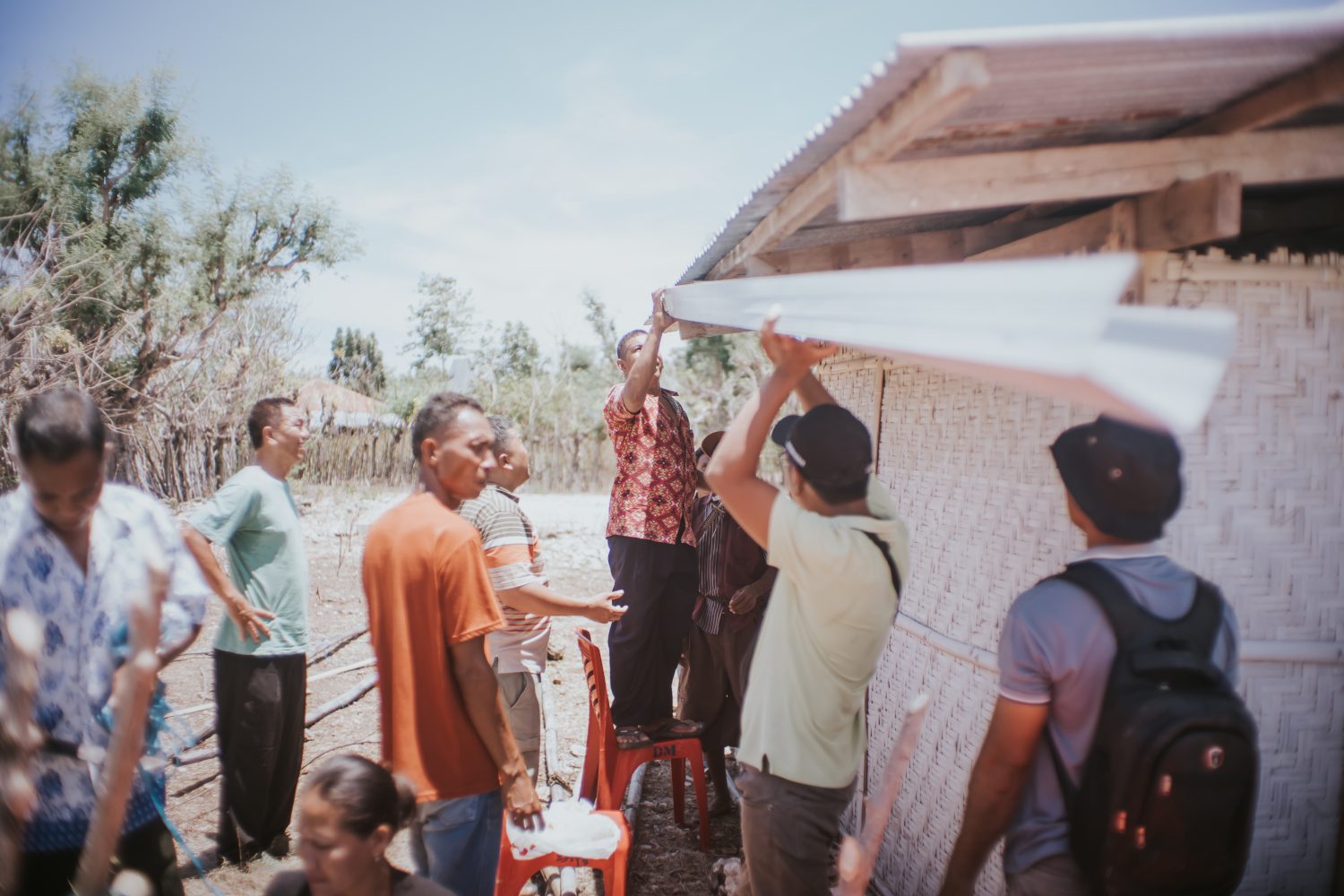
Food starts at home. Families learn to grow vegetables in small yards, keep egg-laying chickens for protein and share the harvest from church gardens, so mothers and children eat better and surplus produce brings in a little income. Communities are also preparing for for storms, floods and drought, from planting mangroves on eroding shorelines to forming village disaster teams.
An independent evaluation of the first phase of the project found the project contributed to a 51% fall in stunting. Village governments have noticed. In Kopidil, the village government now supports the village health workers with part of its own village fund, and other villages are copying the kitchen gardens and building the work into their village plans.
“I feel grateful every time my efforts succeed in raising awareness about health for pregnant women, mothers, and families. It reminds me that big changes can begin with care, commitment, and small, consistent actions.”
-Ance Ouwlaana, a community health worker with TLM
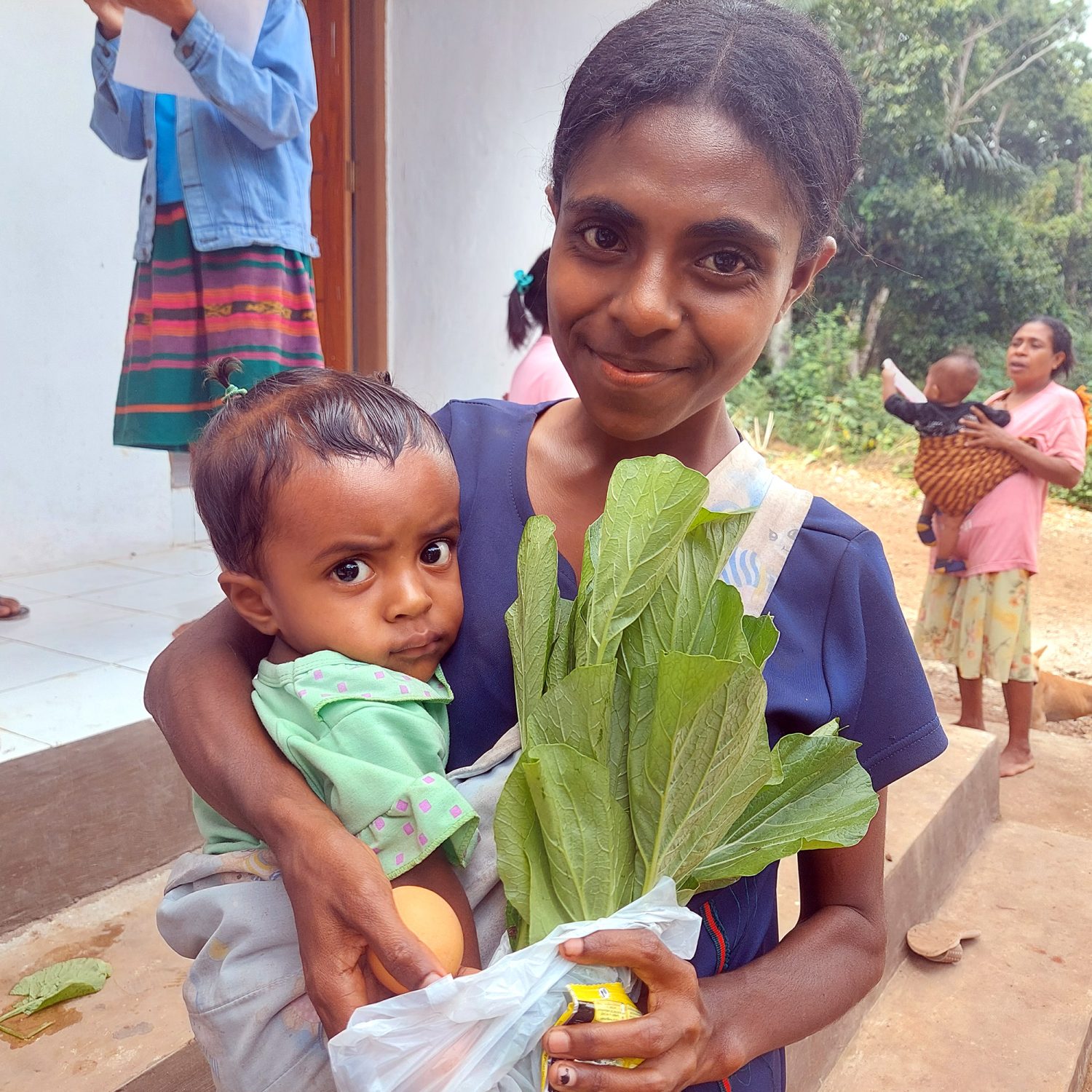
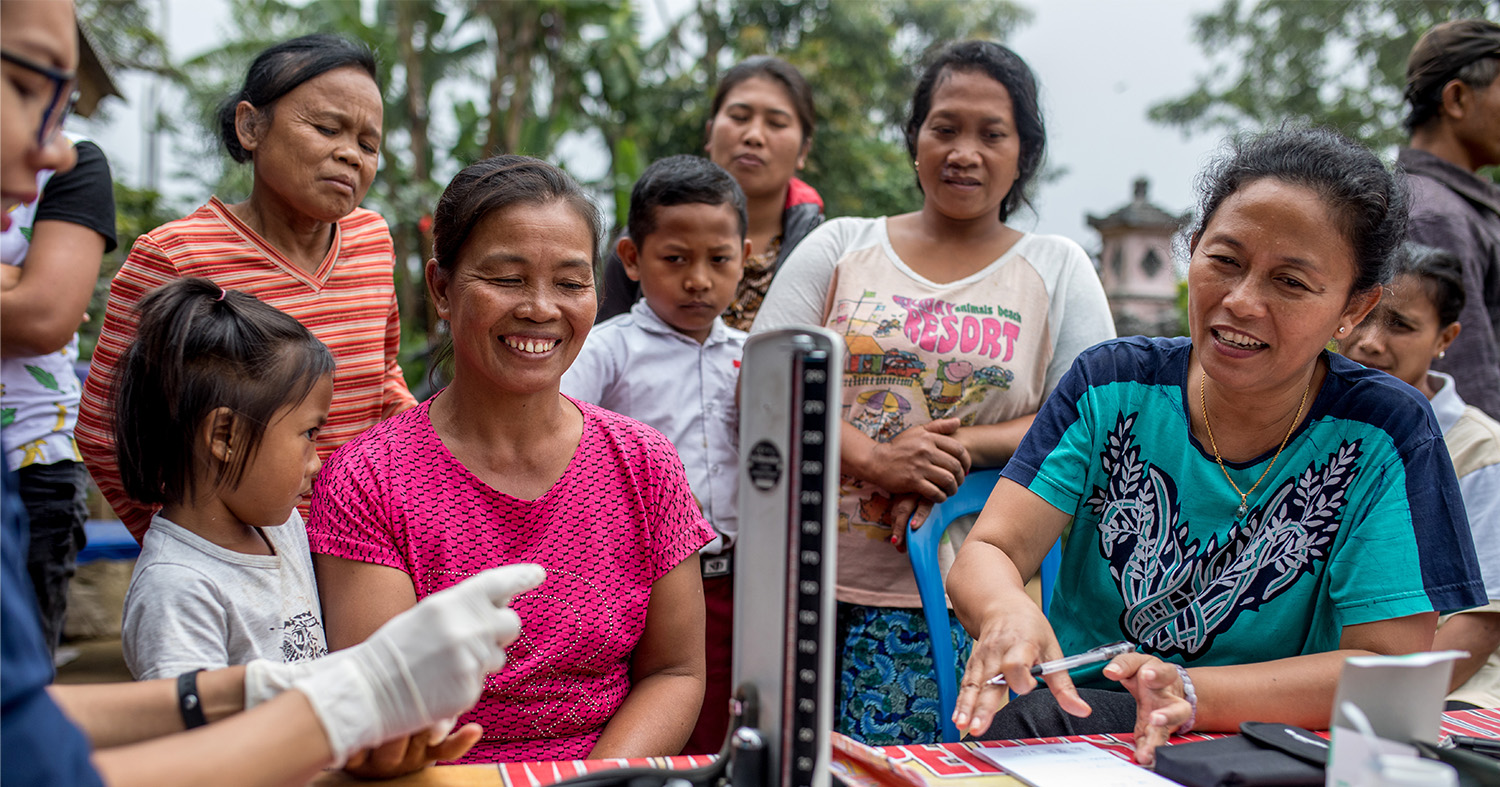
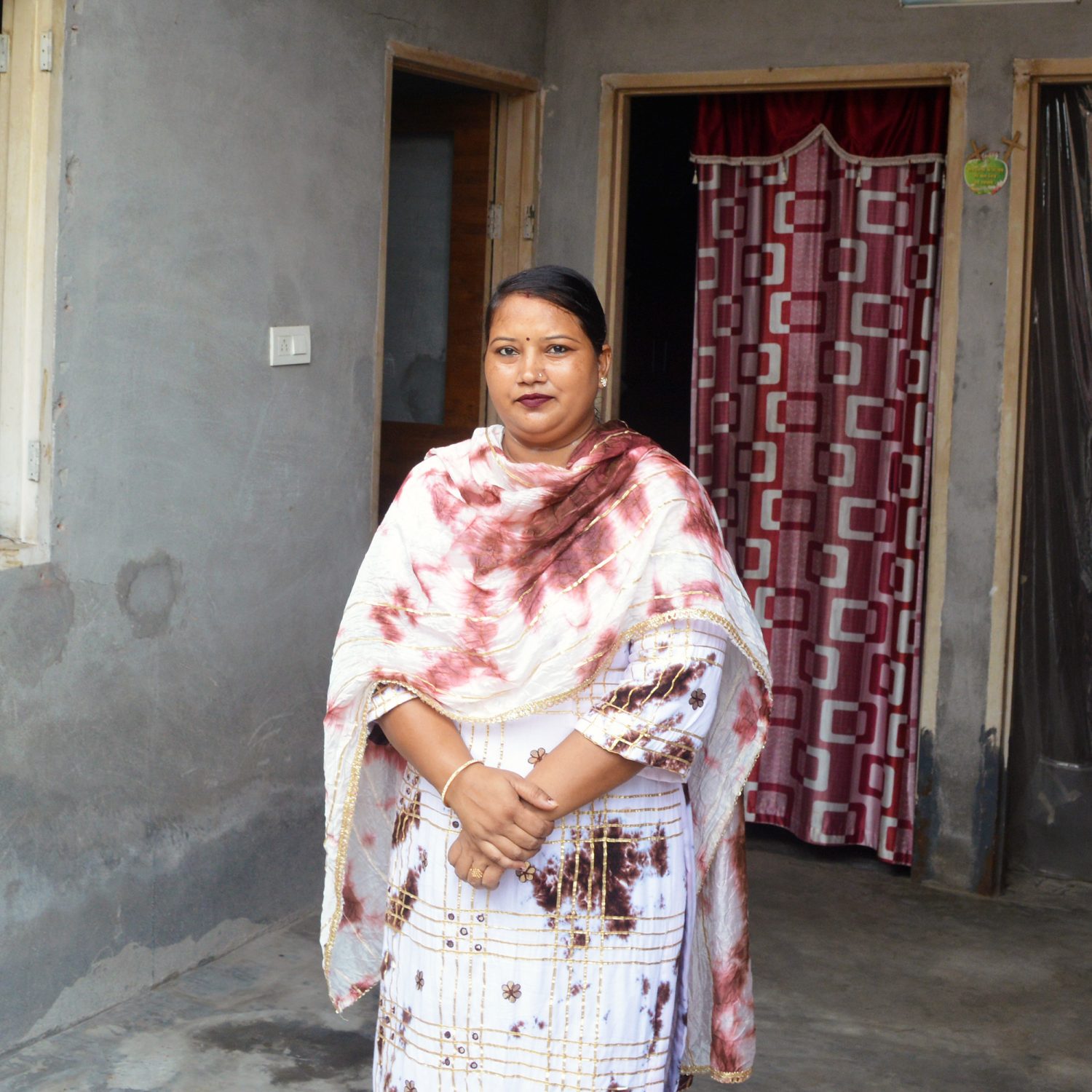
Pictured: A young mother receiving fresh vegetables and health screenings to prevent malnutrition and stunting among mothers and babies in rural NTT
Our partner
Tanaoba Lais Manekat (TLM) is the development agency of the Christian Evangelical Church in Timor (GMIT). Working hand in hand with village governments and congregations on Alor and Rote, it has been UnitingWorld’s partner for years, and village leaders say its programs address the issues they face every day.
Waluwanja gets up for work every day at 5am. After a drink of hot coffee, he’s straight into his back garden, clearing out weeds, watering each plant and making sure no pests are getting in. He grows all sorts of vegetables, but lately he’s been testing out mustard greens, carrots and rice paddies, which he […]
Even before she was conceived, Mery Kolimon had a calling. Her parents, Timorese nationals from one of Indonesia’s most beautiful archipelagos, dedicated their first child to God’s work even before Mery’s mother fell pregnant. It was a promise with a profound impact. Rev Dr Mery Kolimon is now the first woman to become Moderator of […]
Read more
Help mothers and children in eastern Indonesia stay well
Your gift helps TLM train village health cadres, grow nutritious food at home and build the village support that keeps it going.
Climate-Sensitive Health and Livelihoods in Sumba and Bali
East Sumba is one of Indonesia’s poorest regions, and droughts are making it harder to grow food and find clean water. Mothers and young children feel it first. In Bali, villages are facing plastic pollution and a changing climate.
The Maha Bhoga Marga Foundation (MBM), the development agency of the Protestant Christian Church in Bali (GKPB), has spent more than 40 years working with families in Bali on health, food and livelihoods. More recently, it has taken that experience to Sumba, working with the Sumba Christian Church (GKS), because MBM has the capacity and expertise to share.
The approach is the same on both islands. Trained village volunteers bring health education and ongoing mentoring to families, with women at the centre. Families grow kitchen gardens and keep chickens, so there’s nutritious food at home even in dry seasons, communities plant trees to protect their springs, and small businesses turn waste into income. In East Sumba, the aim is also to ease the hungry season so young people aren’t forced to leave.
It’s already working. In Bali, Komang and Ni Luh learned kitchen gardening and business skills, and the income now pays their children’s school fees. In Sumba, Petrus Pandanga, a farmer and GKS member, has spent forty years persuading neighbours that the island can sustain them if they farm it differently. His demonstration farm is now part of a growing network of learning, because, as he puts it, “One person learns, and then brings two more.”
“My hopeis for my child to go to school, and for there to be enough to eat.”
Semis, a rice farmer in rural Sumba
Our partners
Maha Bhoga Marga Foundation (MBM) is the development agency of the Protestant Christian Church in Bali (GKPB). For more than 40 years, it has worked with poor communities in Bali, running health programs, supporting survivors of domestic violence and standing with families through economic hardship. It now shares that experience in Sumba.
The Sumba Christian Church (GKS) is the local church in East Sumba. In March 2025, its leaders and GKPB’s signed an agreement to work together, and GKS gave MBM office space in its compound, opened doors with the regional government, and helps MBM understand the local culture. The project grew out of a relationship between the two churches, not a plan drawn up from outside.
Every year, more young people leave Sumba. They go to Bali, or Java, in search of work and a future they feel their own island cannot provide. Fields go unplanted. Churches empty out. They leave and they don’t come back. UnitingWorld is supporting our church partners to change that.
When migrants suddenly started turning up in Bali from the nearby island of Sumba, many people assumed the worst. Would they be a strain on housing, jobs and social harmony? One more group of outsiders to be tolerated or pushed aside? But for Rev Betha and her team at MBM (the development agency of the […]
Before the COVID-19 pandemic, significant progress had been made to alleviate poverty. In the first two decades of the millennium, global poverty rates had been cut by more than half and there was good reason to be optimistic about the future. The optimism spurred world nations to come together in 2015 and agree to work […]
Here at UnitingWorld, we believe the most effective way to help people overcome poverty for good is sustainable development in partnership with local communities. Our partner church’s project to end poverty in rural Bali is a great example of the lives that we can change, and how by working together we make a bigger impact […]
Pipit Purwadi MBM Foundation, Protestant Christian Church in Bali (GKPB) Lord Jesus, we are grateful for Your presence in our lives. Towards the end of the year, there were many natural disasters around us. Floods, landslides, earthquakes, and volcanic eruptions. Previously, Covid-19 haunted our lives. Many of our brothers and […]
An estimated 202,000 people are experiencing poverty in Bali, and as COVID-19 continues to take its toll, that number is only expected to rise. With limited funding going to local governments, many people struggle to access the housing, electricity, water and other basic services they need. But for the most vulnerable groups, including women and […]
A huge thank you to everyone who has taken part in Lent Event and donated to projects that are helping our global neighbours stand strong against COVID-19. Over just the past few weeks, we’ve received $140,000, well on the way to our fundraising target of $330,000. People like Wayan and his wife (above), who benefited […]
With international borders still closed, and far fewer tourists visiting places like Bali, we spoke to our partners in Indonesia to find out what life is like in the grip of the pandemic. “People here are more worried about having no food and no jobs than about the pandemic,” says our Southeast Asia Regional Coordinator, […]
Our partners in Bali have been finding innovative ways for children to stay safe, connected and spreading important information about COVID-19. As part of safety lockdowns to prevent the spread of COVID-19 in Indonesia, the Bali provincial government recommended all school children study at home. With children isolated in their houses, our partners MBM held […]
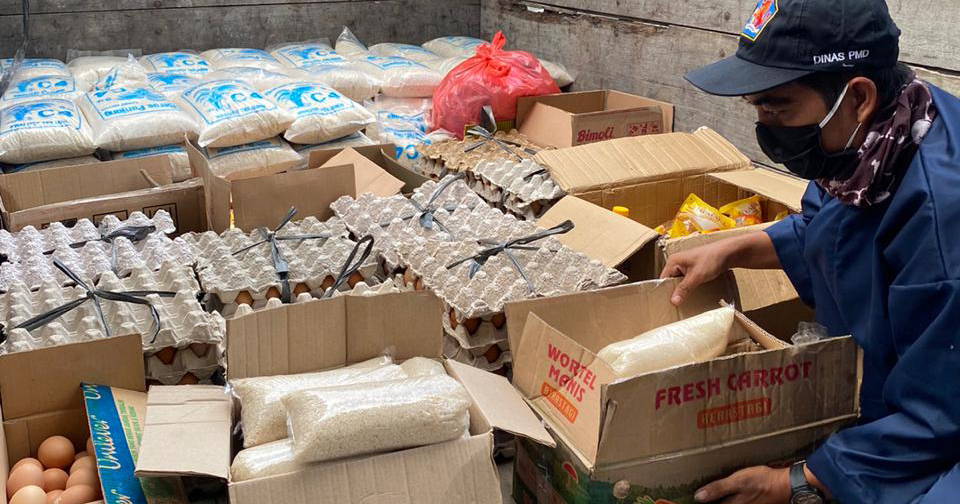
Last month our partner in Bali MBM provided food assistance to 2,338 people, health packages containing masks, soap and vitamins to 320 families and health education brochures to 708 families. 1,000 fruit and vegetable plants have been prepared to help improve the long-term food security and nutrition of people who lost work and must stay […]
Imagine two groups – one male, one female – crouched around a sheet of butcher’s paper. In regional Bali, Indonesia, village members have been asked to note on the image of a large clock what their activities are throughout the day, with men and women commenting on each other’s use of time. The results are […]
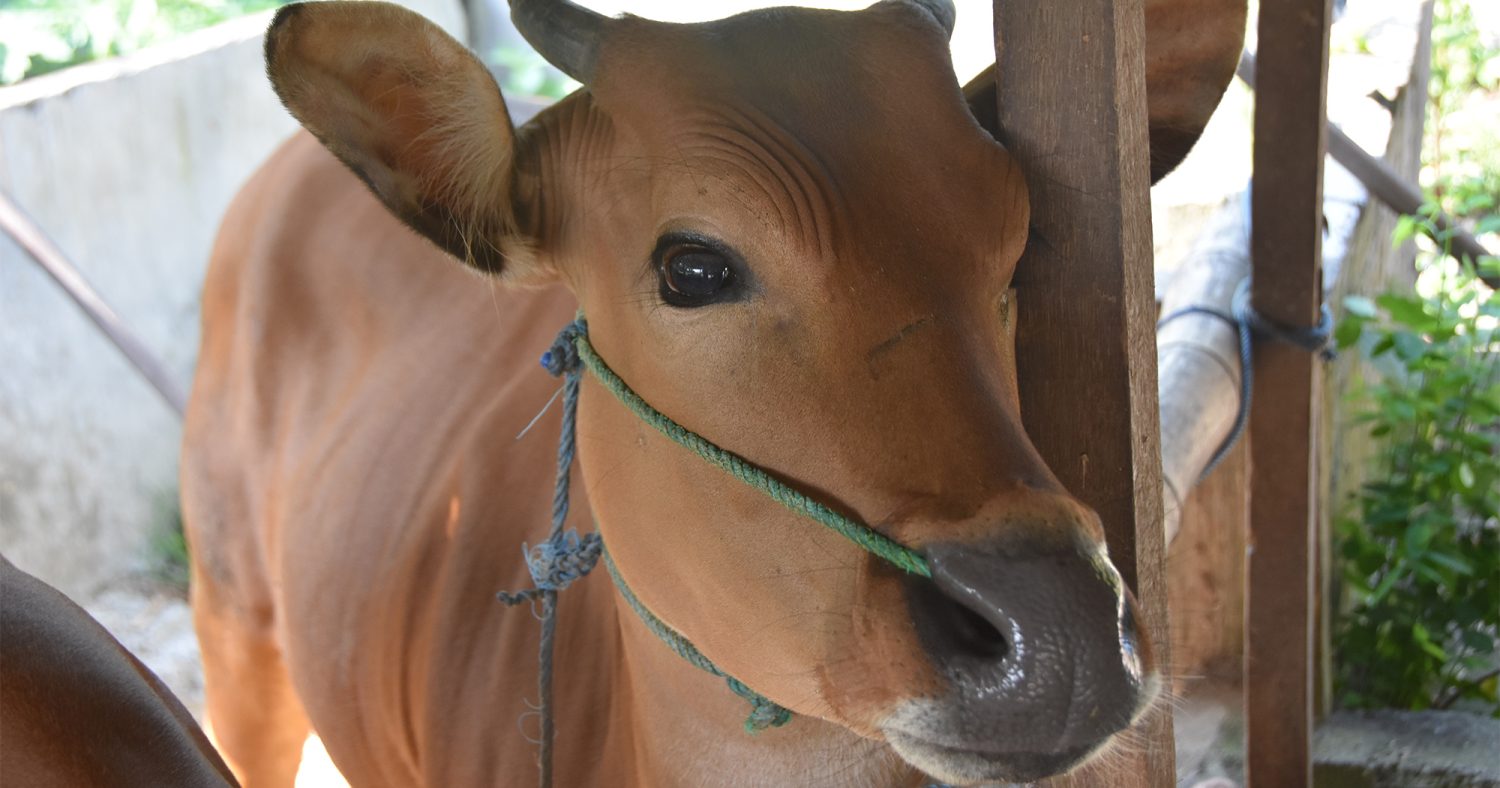
Dolores (name changed to protect privacy) has the most soulful eyes you could hope for on a cow. Part of her earnest expression, I’m pretty sure, has to do with her confidence that not only is she saving the planet – she’s going to give families a chance to end poverty. Most of her daily […]
In the mountains of Bali, where it is cool, 5 groups of people in a small community are working to breed goats provided through income generating opportunities by our partners MBM. More than 30% of people in the community are poor. Only 50% of children progress further than elementary school study and 20% of children […]
Read more
Help families in Sumba and Bali grow, stay healthy and weather the dry years
Your gift helps the church and local villages grow nutritious food, protect their water and build steadier incomes.
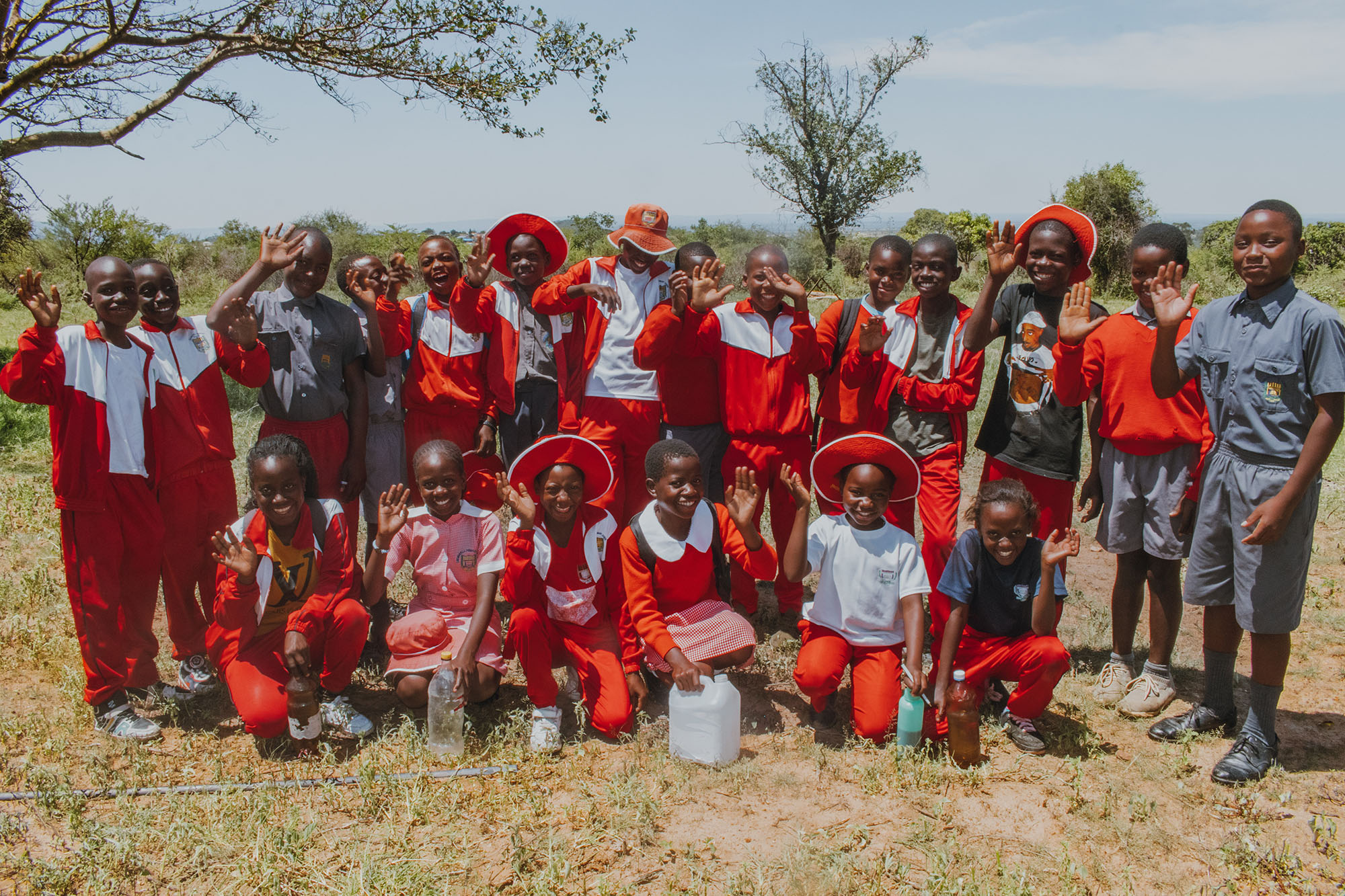
In rural Zimbabwe, climate change and droughts are cutting harvests and leaving families short of food and water. Too many children are unsafe at school or at home, and children with disabilities and girls are too often left out.
The Methodist Church in Zimbabwe, through its Methodist Development and Relief Agency (MeDRA), uses its schools as hubs for climate resilience, safety and inclusion. Solar-powered bores and school gardens bring water and food to drought-affected communities, and students learn climate-smart gardening.
MeDRA’s Rev Junior Paradza says that since the bore was installed, people can keep crops growing and feed their families. Felistas, a single mother of three, once carried water over three kilometres every day. The school water supply and garden offer her more than proximity, they offer hope: knowing her children eat healthy meals at school, she says, “gives me peace of mind.”
Teachers, students and parents also learn how to keep children safe, with clear ways to report concerns, parenting sessions for caregivers and trained local counsellors. Schools are being made accessible for children with disabilities, and church and community men and women talk openly about gender, so girls and boys, women and men are treated with respect.
It’s so hard to concentrate in class when you’re hungry. When we got water at school, we could grow vegetables for lunch and learn how to do it at home too. I want to share it with my mother so we can eat better and sell some to earn money.”
Tanaka from rural Zimbabwe
Our partner
The Methodist Church in Zimbabwe has deep roots in its communities and a long history of faithful service to its neighbours. MeDRA, its development and relief agency, leads this work, building on a first phase that brought gender justice, safeguarding and disability inclusion into the life of the whole church.
Across rural Zimbabwe, families are facing long droughts, food insecurity and lack of clean water. Supported by UnitingWorld, the Methodist Church in Zimbabwe (MCZ) has begun working in schools to transform what is possible for children and families in poverty.
In Zimbabwe, COVID-19 and its impacts severely disrupted livelihoods and expanded the number of extremely poor by 1.3 million in 2020. Ongoing lockdowns and the health crisis have drastically contracted people’s opportunities for earning an income, especially those in the majority informal workforce. Australian NGO Cooperation Program (ANCP) NGO UnitingWorld and its partner MeDRA (Methodist Development […]
We’ve just been in touch with our partners from the Methodist Church of Zimbabwe and heard the very sad news that four ministers have died from COVID-19 in just a few short weeks. Zimbabwe has been experiencing a second COVID-19 wave, with more cases in January than all of 2020 combined. Gathering for worship is […]
Families in Muzarabani and Gokwe Districts in rural Zimbabwe were looking forward to being financially independent this year, but when COVID-19 lockdowns hit, their livelihoods selling produce at local markets evaporated like rain on the dusty road. Run by the Methodist Church in Zimbabwe through the Methodist Development & Relief Agency (MeDRA) and supported by […]
My name is Anna and I am 58 years old. I live in Gokwe South. I’m a proud member of a group started by the Methodist Church of Zimbabwe Relief and Development (MeDRA) in 2017. Our group is called kunzwa nekuita which means ‘hearing and doing’. As well as education about health and hygiene, we […]
Read more
Help keep children in Zimbabwe safe, included and fed
Your gift helps the Methodist Church in Zimbabwe make its schools safer, more inclusive and a source of water and food for the whole community.
In Punjab, caste has shut Dalit families out of schools, services and decisions for generations. Children, especially girls, fall behind or leave school early, and families struggle to claim the pensions and support they’re entitled to.
The Church of North India’s Diocese of Amritsar runs study centres in villages near the Pakistani border, where children get homework help, coaching and life skills, with extra support for adolescent girls to stay in school and aim for higher education. Staff work closely with parents on why education matters, help community groups take part in village decisions, and help families claim pensions, disability certificates and other government support.
The results are clear. A study of the project from 2008 to 2023 found that the share of children in the target villages staying in school until age 15 rose from 38% to 100%, with most going on to finish 12th grade, and credited the study centre staff’s steady work with parents. Over its history, the project has reached 20 villages and 2,700 households, most of them Dalit families.
“Now, I no longer see any challenge as a hardship. I feel strong and independent... Without the project, I might not even be alive today.”
Bevi, a program participant who went on to become a Community Organiser to help her neighbours and advocate for justice.
Our partner
The Diocese of Amritsar, part of the Church of North India, has been UnitingWorld’s partner in this work for well over a decade. It serves Dalit communities in Punjab, and its leaders say the partnership is helping people rise above social, economic and political oppression.
For generations, a Dalit* community near the India-Pakistan border had no land, no vote, and no say over their own lives. Then one small classroom changed everything: first for the children inside it, then for the whole village.
In 2008, just 38 per cent of children in targeted Dalit* communities along the India-Pakistan border were enrolled in school. Today, that number is 100 per cent, across a project that has grown from 10 villages to 20, now reaching 9,678 people. Whether you’ve been with us since the beginning or joined more recently, this […]
Read more
Help every child in Punjab stay in school
Your gift helps the Diocese of Amritsar keep children learning, especially girls, and helps Dalit families claim the services and the voice they’re entitled to.
In West Bengal, caste and religious discrimination shut families out of schools, health care and government support, and keep them poor. Children from excluded families fall behind, and people with disabilities, women and farmers struggle to earn a living.
The Church of North India’s Diocese of Durgapur runs study centres where children from excluded families get homework help, coaching and encouragement. It offers training in skills and farming to women, farmers and young people, and helps families find out about government services and schemes and claim them.
People with disabilities, whom communities often overlook, are found and helped to earn an income. Khokan, who was born with a physical disability, couldn’t earn for his family until a one-time grant let him open a variety store at home. Now he supports them, saves for the future, and he and his wife have built a permanent home.
When farmers kept losing crops for lack of water in the dry season, the diocese renovated old rainwater harvesting structures that had silted up, with the farmers co-investing, and provided pumps. In 2024–25, that brought irrigation water to more than 90 families.
“Before it was very difficult for me and my wife to run the household and we had to depend mostly on forest resources. But getting financial assistance from the project gave me a greater vision, and I’m planning to extend my business in future.”
Khokan from Durgapur, India, who was born with a physical disability.
Our partner
The Diocese of Durgapur, part of the Church of North India, serves communities across West Bengal, including those the wider society overlooks. Our partners there work for justice and dignity for all, through education, advocacy and practical support.
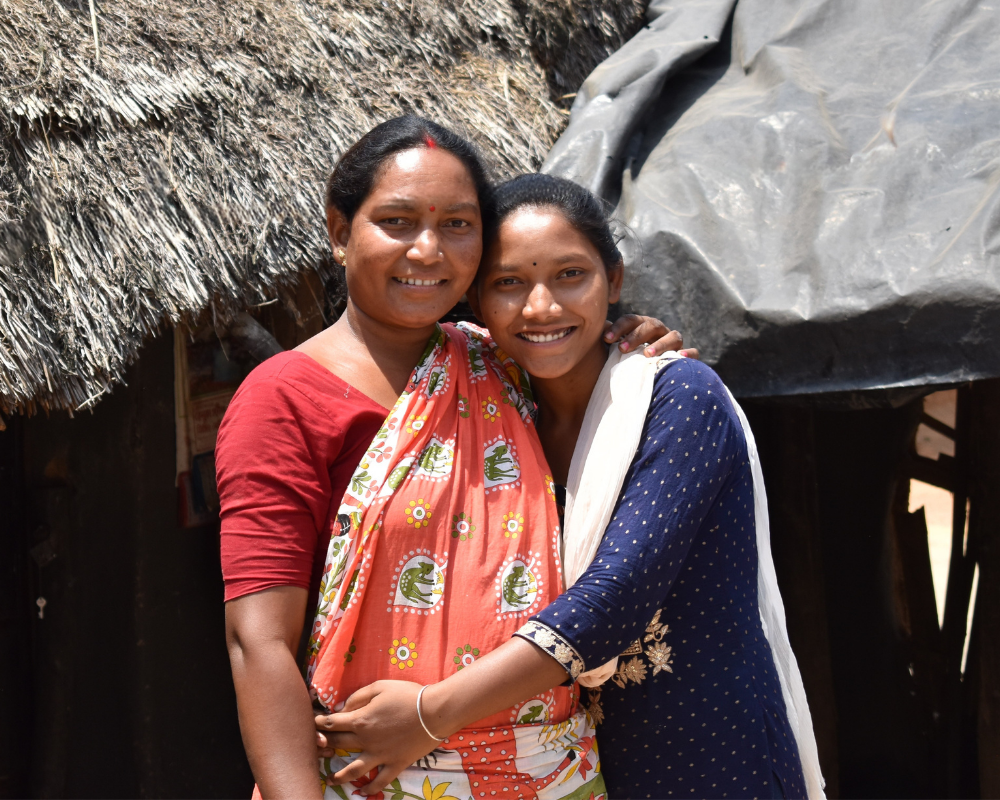
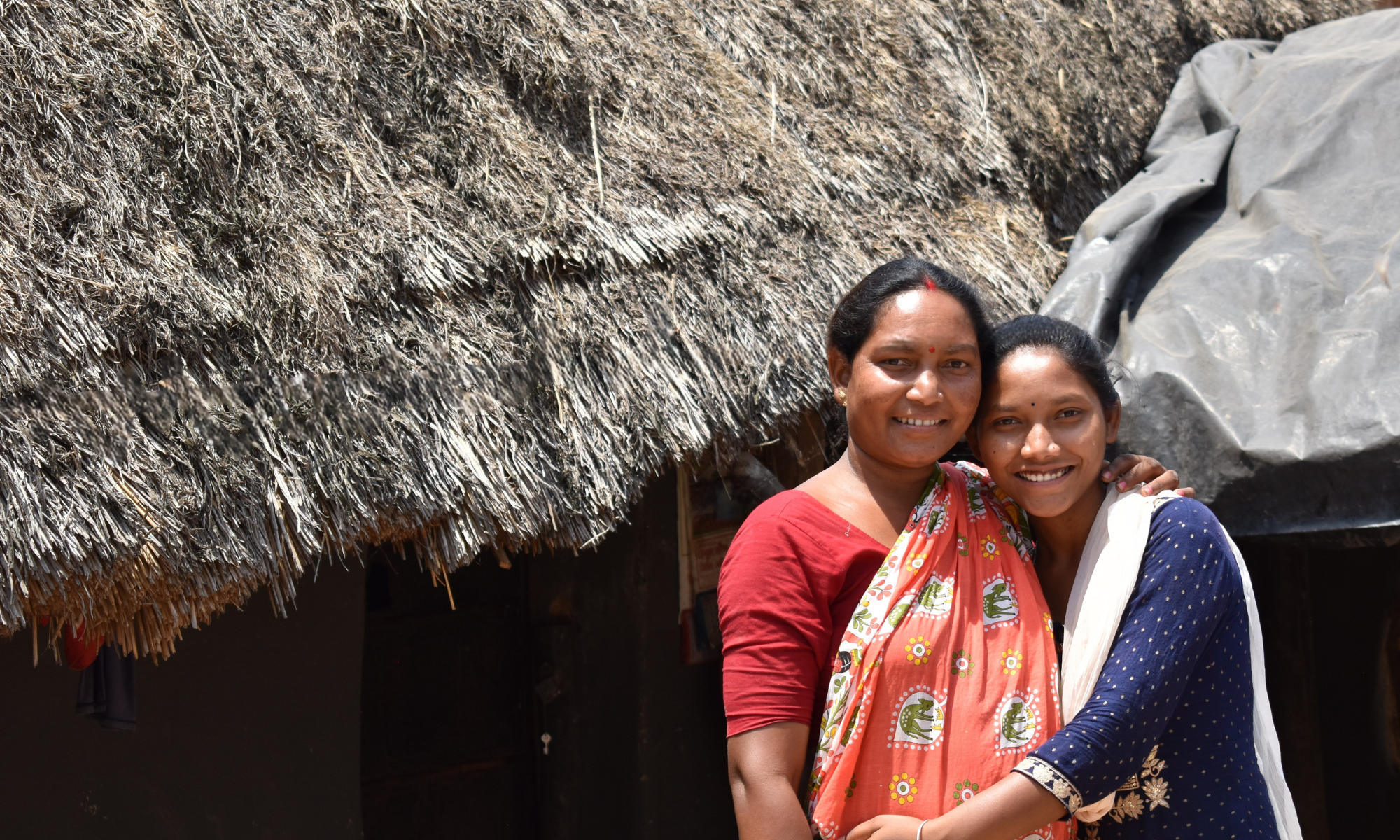
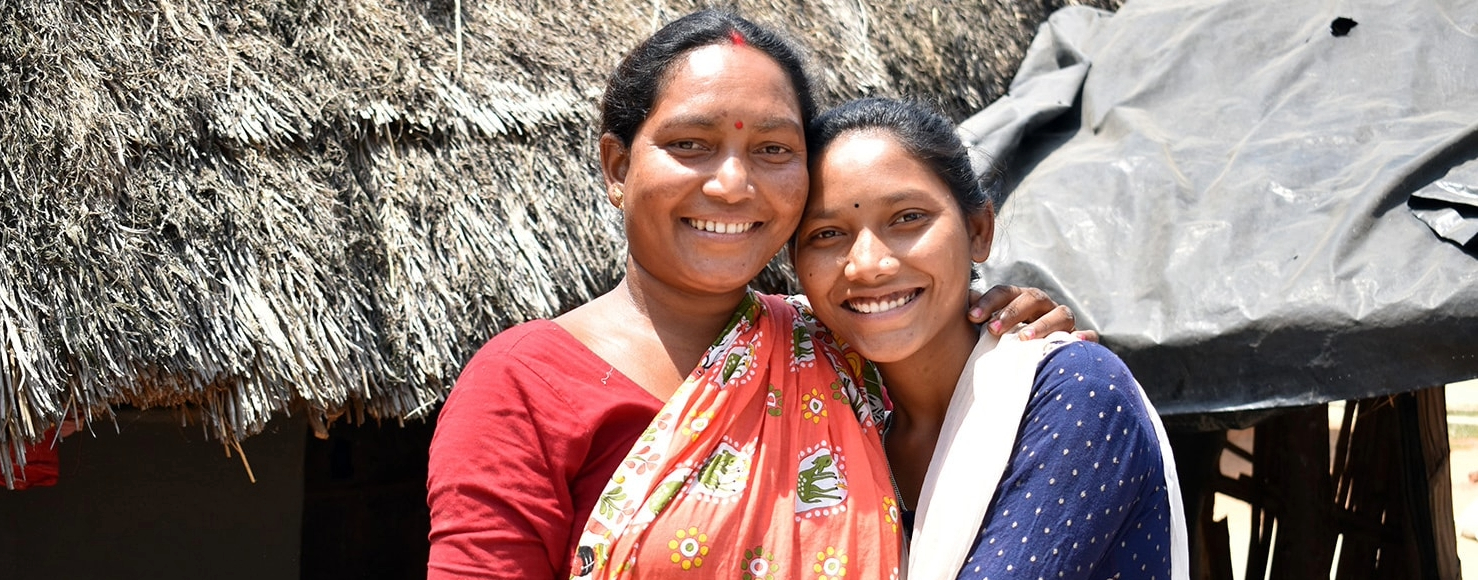
Laboni (pictured above with her mother) grew up in a typical rural village in West Bengal, India, where education is out of reach for many because families are too poor to invest in it. Our church partner, the Church of North India-Diocese of Durgapur, saw the situation and believed that things could, and should, be different.
They supported Laboni’s education, and she became the first in her family to ever finish school. Today she’s pursuing her dreams: working on a university degree and hoping to return to her community as a teacher to inspire others to follow in her footsteps.
This International Women’s Day, the global theme is ‘Balance the Scales.’ It is a call to address the structural barriers that continue to deny women and girls equal access to justice, opportunity and political power. For UnitingWorld and our partners, it is a theme we see reflected every day in the communities we work alongside. […]
When Sohadi Soren received a single goat through her local self-help group, she never imagined how much her life could change. A mother and grandmother from a small rural village in eastern India, Sohadi was struggling to make ends meet after the sudden loss of her husband. Her family survived on a small plot of […]
In the final months of the financial year, we told the story of Laboni, who grew up in a tribal village in remote West Bengal, India. It’s a place where education is out of reach for many because families are too poor to invest in it. Children grow up to help in the household or […]
Read more
Help children in West Bengal learn and families earn
Your gift helps the Diocese of Durgapur keep children in school, give families skills and income, and help excluded communities claim the services they’re entitled to.
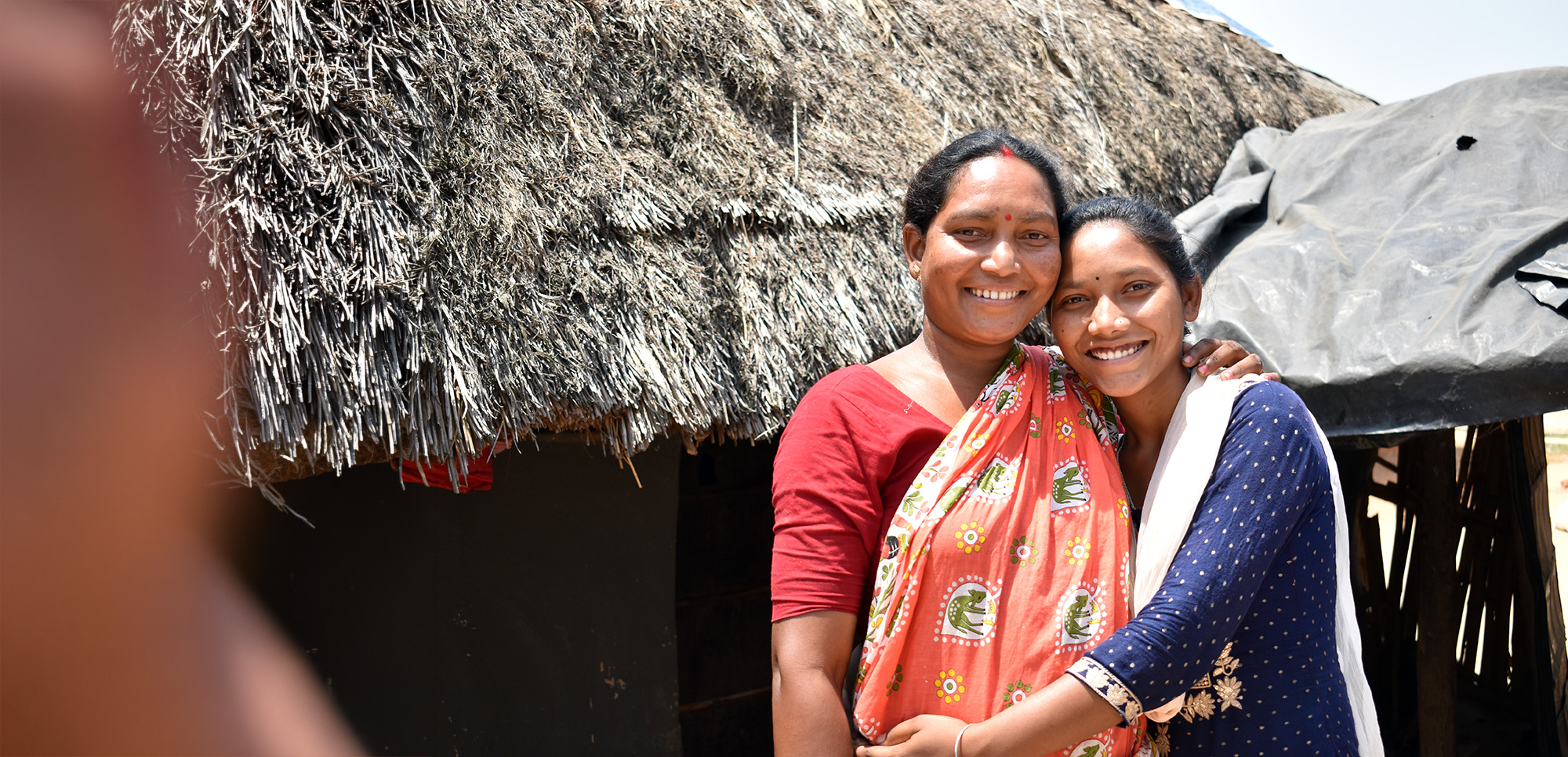
Laboni (pictured above with her mother) grew up in a typical rural village in West Bengal, India, where education is out of reach for many because families are too poor to invest in it.
Stuck in a cycle of poverty, going to school never seems as vital as the tasks of daily survival. Children grow up to help in the household or in the fields as soon as they are able; girls are married off young.
“My family was eager to marry me off at an early age,” Laboni now reflects. “It was not just because of my family but also according to our tribal culture; every girl between the ages of 13 and 15 should get married.”
Our church partner, the Church of North India – Diocese of Durgapur, saw the situation and believed that things could, and should, be different.
They supported Laboni’s education, and she became the first in her family to ever finish school. Today she’s pursuing her dreams: working on a university degree and hoping to return to her community as a teacher to inspire others to follow in her footsteps.
“The girls of my village [now] see me, and they are encouraged to study. I’ll tell them to go further. I would urge every girl to stand on her own feet. We girls can participate in the development of our family, society and village.”
Laboni
Transforming a whole village
Thanks to UnitingWorld supporters and our partnership with the Australian Government, our partners also helped transform Laboni’s whole village and beyond, providing hundreds of families with income-generation support, training in agriculture and animal husbandry, and family health interventions.
The Diocese of Durgapur now runs 27 study centres currently supporting 420 children and a community development program working across 25 villages and two urban slum communities. Since they began the project, our partners have helped more than 2,000 children like Laboni with high-quality education support and career skills.
The wider community development work has grown to impact 1,698 households and 7,691 people with income-generation support, training in agriculture and animal husbandry, and family health interventions.
Laboni’s village is now a different place because of the love, hard work and dedication of our partners spanning more than a decade.
That’s why we believe this type of sustainable community development, led by local partners is the most effective weapon we have against poverty and injustice.
Play a part in creating change.
It’s an incredible blessing that we can play a part in creating such profound and lasting change.
You can play a role too. Your support can help expand this live-changing work in India and beyond.
Every year, more young people leave Sumba. They go to Bali, or Java, in search of work and a future they feel their own island cannot provide. Fields go unplanted. Churches empty out. They leave and they don’t come back. UnitingWorld is supporting our church partners to change that.
Petrus Pandanga has watched this happen for forty years. He is 60 years old, a farmer and member of the Sumba Christian Church, and he has spent most of his working life trying to convince people that Sumba can sustain them if they farm it differently, think longer-term, plan further ahead.
“When the planting season begins, family incomes are at their lowest,” he says. “That’s a huge obstacle. That’s what farmers feel.”
He is describing the hungry season: the months between harvests when food runs low, rice prices double, and families with no savings and one harvest a year face a brutal choice. Borrow money they may not be able to repay just to survive, go without food, or leave.
The statistics frame it starkly. Sumba is among the poorest regions in Indonesia, with nearly a third of its population living below the poverty line. But the numbers don’t capture what Petrus sees when he walks through villages: communities where virtually everyone under 40 has already gone.
“If it continues,” he says, “it will create greater dependency. Young people only think about looking for work outside. The chance of food security being disrupted in the future is quite large.”
Climate change has sharpened every edge of this crisis. It hasn’t necessarily made Sumba drier. It has made the seasons unpredictable. Rain that farmers could once rely on every year now comes later and less often. Crops planted in hope die in the ground. Replanting costs money families don’t have. An African Swine Fever outbreak stripped many households of their pigs, the traditional savings account, the financial backstop when everything else failed.
Subsistence farming families like those in Sumba sit at the most vulnerable end of global economic and environmental shocks. They have no buffer: no savings, no insurance, no alternative income. When the rains shift by two weeks, when commodity prices spike, when a disease sweeps through the livestock, the consequences land immediately on families already living on the edge of not enough. The distance between a good year and a catastrophic one is measured in days of rain.
So people leave. They take the boat to Bali, arriving without qualifications, without connections, and too often without an understanding of the cultural differences that await them. They find themselves in double poverty: struggling back home and struggling again at their destination without support.
A church that looked to the root causes
This is the pattern Rev Dr Betha Meidyawati, Director of UnitingWorld’s partner, the Maha Bhoga Marga Foundation (MBM), had been seeing in Bali for years.
MBM is a foundation of the Protestant Christian Church in Bali (GKPB). For more than 40 years, it has worked with poor and vulnerable communities in Bali, running health programs, supporting survivors of domestic violence, and accompanying families through economic hardship. It is an organisation that is trusted by the people because it is deeply rooted in the communities it serves.
But when Rev Betha reviewed MBM’s direction at the start of her leadership in 2023, she kept coming back to a question: why were so many of Bali’s most vulnerable migrants coming from Sumba?
The answer was exactly what Petrus described: extreme poverty. Drought. Crop failure. A hungry season that came every year without fail. Communities with no safety net and no way to plan beyond the next harvest.
“I prayed to God, asking for wisdom,” she says. “I was reminded of my experiences doing outreach to urban migrants in Bali. Many migrants shared that the primary driving factor for people from Sumba to seek work in Bali was extreme poverty.”
The insight that followed was simple but significant. MBM had been supporting people after they arrived in Bali, after they got into trouble and ran out of options. What if MBM went to Sumba instead, and walked alongside the Sumba Church to help communities before desperation forced the journey?
“Through this work, we hope to support vulnerable communities in Sumba at the roots of the problems, within their own villages, rather than only after they have already migrated to Bali and face new challenges.”
“There are still many people living in poverty and vulnerability. Through shared efforts, accompaniment and compassion, these communities can be supported to rise, regain hope, and secure decent and healthy livelihoods.”
Rev Dr Betha Meidyawati, Director,Maha Bhoga Marga Foundation, Protestant Christian Church in Bali
Church to church, island to island
What makes this story distinctive is that this was not a program designed in Sydney or Geneva or Canberra. It grew out of a relationship between two churches on different islands of Indonesia.
In March 2025, the leaders of the Protestant Christian Church in Bali and the Sumba Christian Church (GKS) signed a Memorandum of Understanding, formalising a partnership built through deep conversations over preceding years. MBM gained office space within the GKS compound in Sumba. GKS leaders opened doors with regional government. A new collaborative project was born.
“With the generous accompaniment of GKS leadership,” Rev Betha says, “MBM has been introduced to and supported in engagements with the East Sumba Regional Government. In many respects, the management and staff of MBM have also gained trusted partners for discussion and for learning the local cultural context.”
It is a model the Uniting Church has long championed but doesn’t always get to see in practice: local churches leading transformation from within their own communities, with external partners walking alongside rather than dropping in with answers from outside.
The project is now working across three villages in Sumba, bringing kitchen gardens, health education, water access, climate-resilient farming and sustained mentoring through trained village cadres. Women are at the centre. The program is built around the belief that food security, family health and women’s empowerment cannot be addressed separately but as a whole.
Petrus is part of it. His demonstration farm, the place he has tended for decades, is now part of a broader network of learning and change.
“Change doesn’t always start with many people. One person learns, and then brings two more. Those two tell others. Knowledge spreads like that.”
Petrus (right)
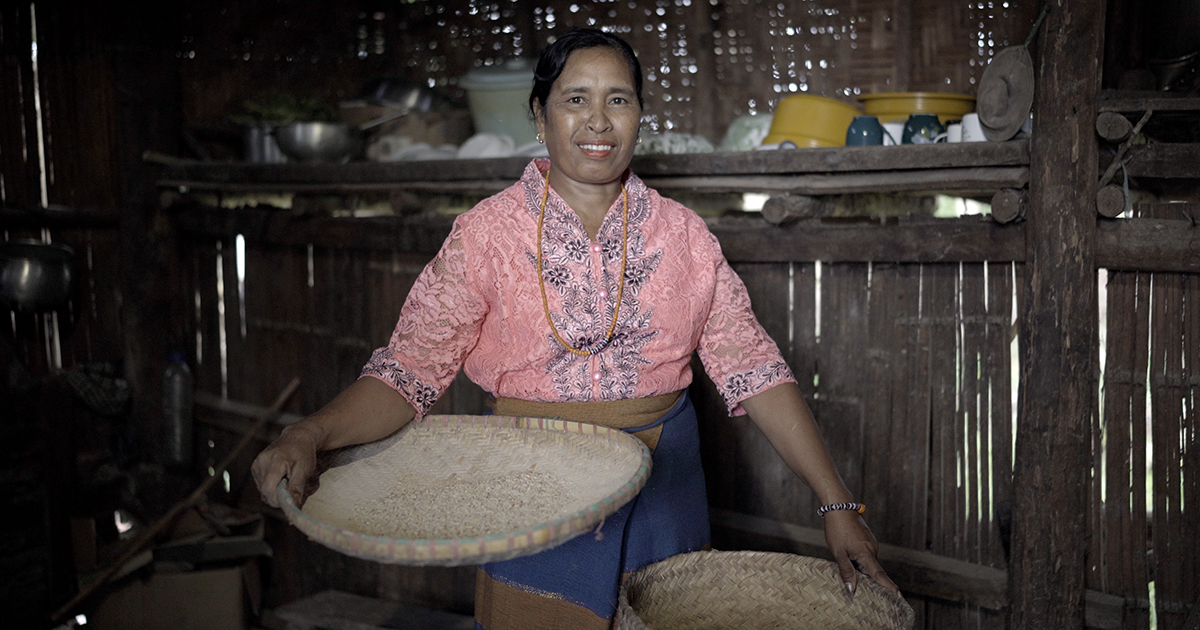
For Semis, a farmer in the highlands, the vision is not abstract. She pounds rice by hand every morning to feed her family, because there is no mill nearby. She and her husband farm 20 acres of land, once a year, if the rains come. When the crop fails, they forage in the forest for wild plants and roots.
Her hope she says, is “that my child can go to school, and that there will be enough to eat.”
That hope, modest, practical and entirely achievable, is what this partnership is working toward.
From scarcity, abundance. That is what is being built, church to church, island to island, together.
Your gift helps break the cycle of poverty and hunger in the world’s poorest places.
Poverty isn’t a failure of effort, it’s the result of systems stacked against people who have the least, or who were born into the world’s hardest places. Our church partners in Asia, Africa and the Pacific are changing things from the inside: building food security, bringing clean water closer to home, creating lasting livelihoods and walking alongside communities until the change sticks.
For generations, a Dalit* community near the India-Pakistan border had no land, no vote, and no say over their own lives. Then one small classroom changed everything: first for the children inside it, then for the whole village.
For generations, the landlords of Dogar village decided everything.
They decided who worked their fields, and whether they would get any wages or just a few groceries and were told to be grateful. They decided where the town’s wastewater drained, and decided to let it run straight through the homes of the Dalit families, breeding the malaria and infections that took children and mothers before their time. They even kept alcohol flowing into the community to keep people compliant.
And they decided who could go to school. Rarely the Dalit children. Their sons and daughters were sent to work in the cowsheds instead.
That was simply how it was, for as long as anyone could remember.
In 2009, a partnership between UnitingWorld and the Church of North India’s Diocese of Amritsar opened a single study centre in Dogar. Forty children walked in that first year, one from each of the poorest families in the village.
What happened next wasn’t only an education story. It was the beginning of a radical redistribution of power.
Diocese staff didn’t stop at teaching children to read. They began training parents to understand their rights, organise their neighbours, and do something that would once have been unthinkable: stand for election to the Panchayat (local village government).
Jacob was one of those elected, and he had a vision for change. Mandeep, who was also elected, has been part of making changes for the women around her.
“When I saw what education could do for children, I knew I wanted that same chance for everyone here. So when we won, we opened every door we could: safe and permanent housing, ration cards for poor families, registering families for government schemes they had been shut out of for years.”
Jacob
“Our Dalit brothers and sisters had never once held office. Now we have, and our women are stepping out: joining groups, working, having a say in their own households, in ways we never could before.”
Mandeep
In the 2024 Panchayat elections, in a village of some 1,500 people, Dogar’s Dalit community didn’t just win a seat on the council. They won every single one. The change since has been immediate: neighborhood roads built, waterlogged land cleared, concrete homes replacing shelters that used to flood, every household finally linked to the government schemes they didn’t know they were entitled to.
Fifteen years ago, one classroom held forty children nobody else would teach. Today, that same community determines its own future. It shows what happens when a community is resourced to educate and organise itself.
We want to see more change like this, more good news reaching the poor and oppressed. The work isn’t finished, and it’s far from guaranteed.
Rising food and fuel costs across the region are forcing families who climbed out of bonded labour to make impossible choices again: pulling children from school, sending them back to work to survive. The long and hard season of change Dogar has lived through could still turn back, without people willing to keep it moving forward.
UnitingWorld supporters across the UCA made this remarkable story possible.
*Dalit is a term derived from Sanskrit meaning “broken”, “oppressed” or “downtrodden” referring to people historically marginalised in Hindu caste society. The majority of Christians in India are from a Dalit background.
Will you help write the next chapter for disadvantaged communities in India?
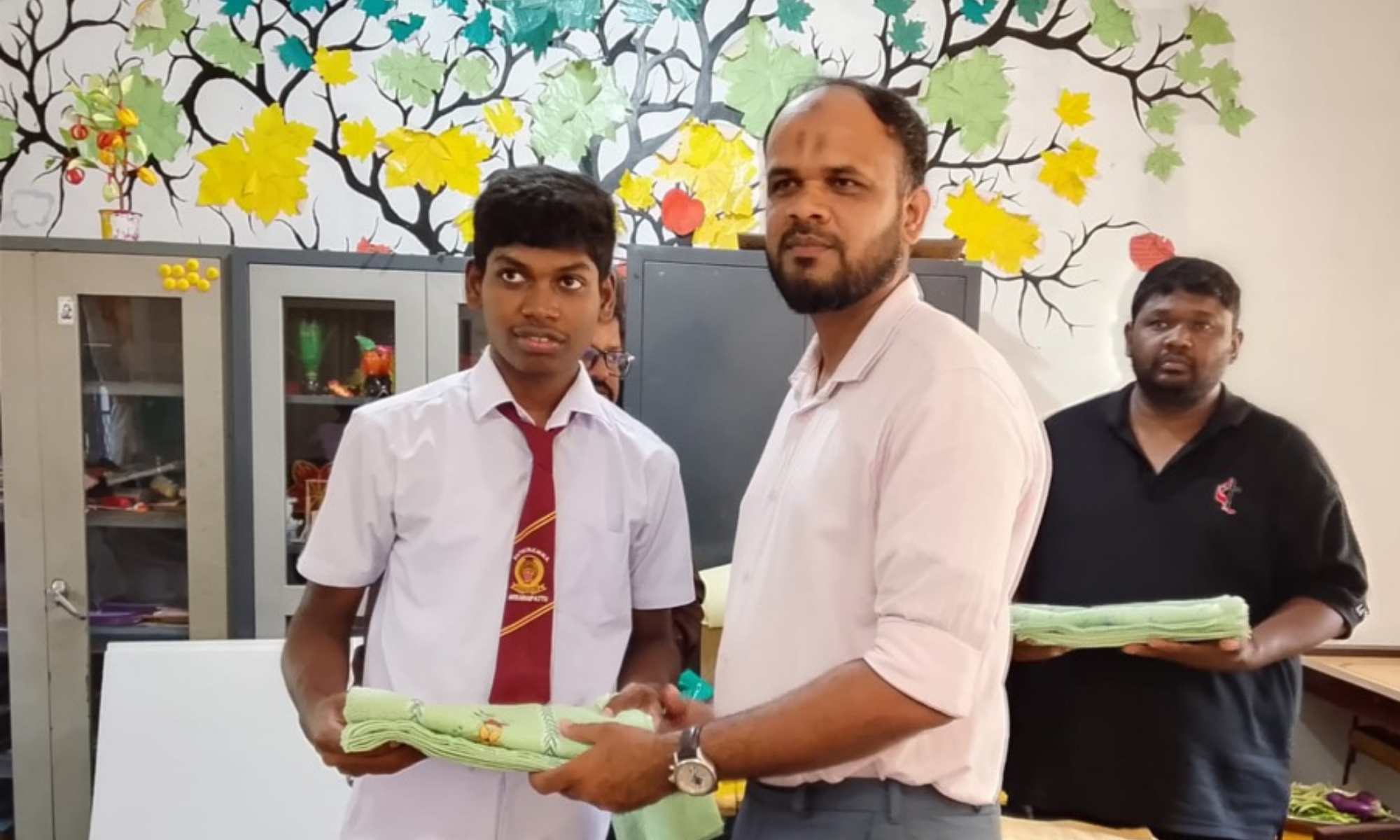
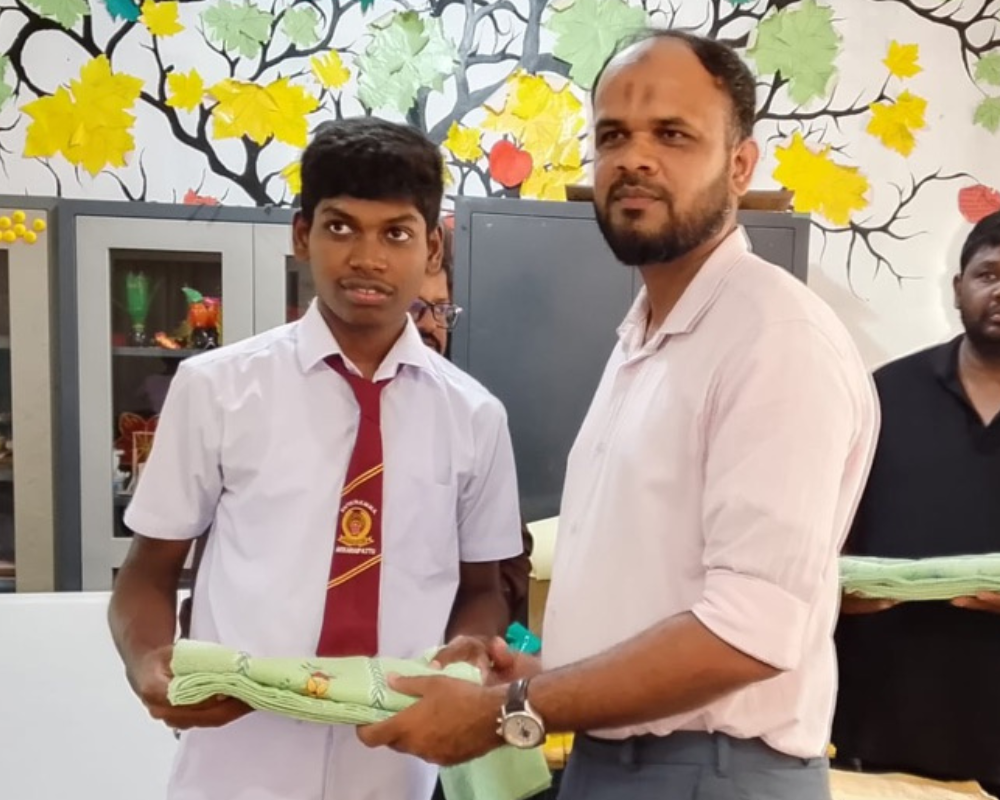
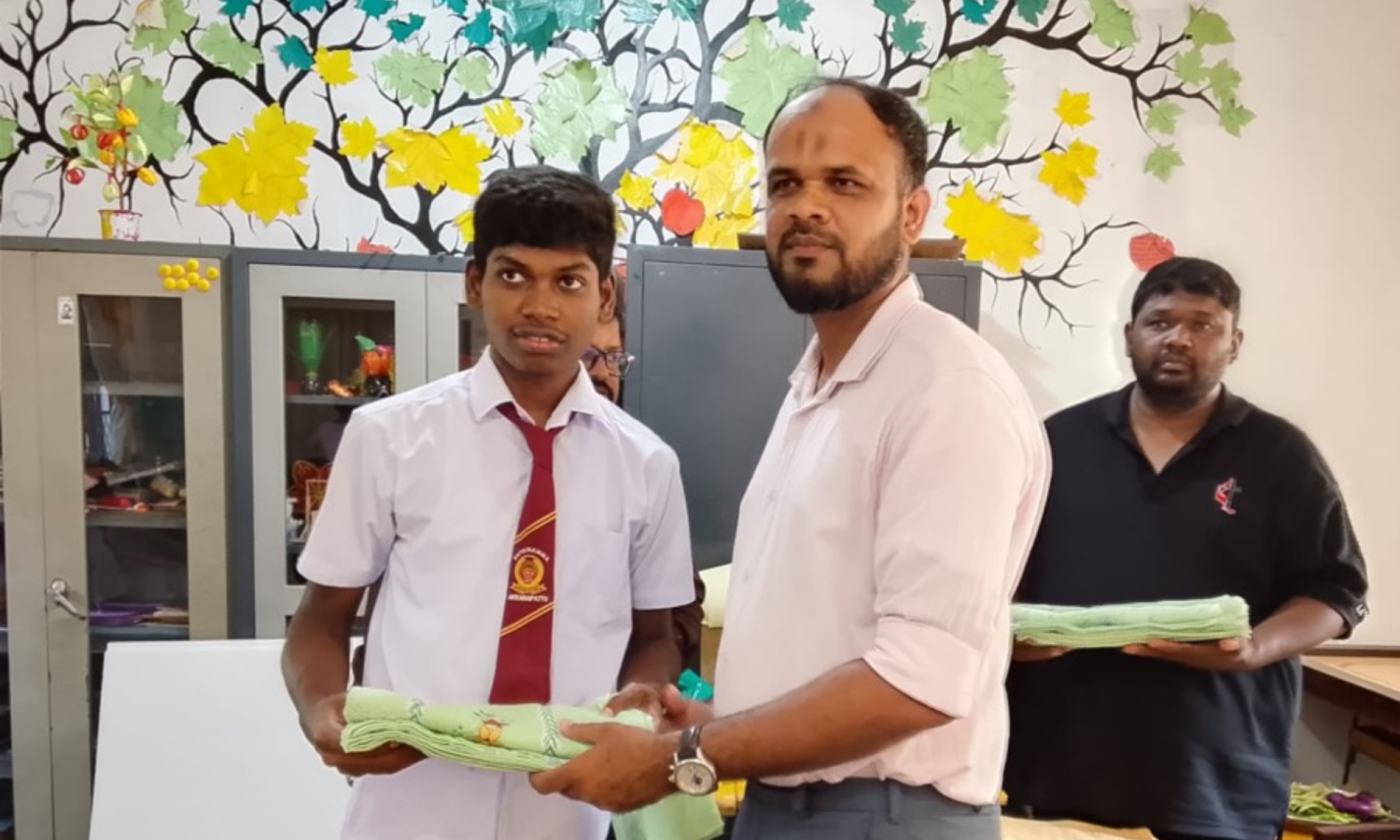
When he started school, Sangeeth struggled with traditional learning and fell behind. His parents then enrolled him in the Special Education Unit at their local school. Caring teachers saw his deep passion for sports, arts and music, and, from there, built his confidence to enter the world of learning. His determination and hard work began to shine.
He started participating in school-level sports and won several places, often competing against mainstream students. At the Annual District-Level Sports Meet for the Persons with Disabilities in 2026, Sangeeth participated in three events: the 100m, 200m, and shot put. Running with speed and grace, he secured second place in both the 100m and 200m races, earning a medal and bringing immense pride to his school.
He took part in drama and dance events during “International Day of Persons with Disabilities” and won prizes, showcasing his artistic talents.
His newfound confidence in his achievements and ability helped him to aspire to leadership. He stood for election to the School Student Parliament, competing against mainstream students, and received enough votes to secure a seat as a Member of the Student Parliament.
Sangeeth’s election to the Student Parliament proved that his voice is valued by the entire school community.
Building on this incredible momentum, the school recognized his transformation and exemplary character. He was appointed as the Monitor of the Special Education Unit, a role of responsibility where he guides and supports his fellow students. He was also selected to be a School Prefect, one of the highest leadership honors a student can achieve. This was a testament to the respect he had earned from both his teachers and his peers.
Today, Sangeeth is no longer the boy who failed at school. He is a model student, a champion athlete, an elected parliamentarian, and a respected leader. His journey from academic struggle to all-round success is a powerful reminder that with the right support, belief and opportunity, every child can find their path to shine.
Our partner, Deaflink, a ministry of the Methodist Church in Sri Lanka, uses UnitingWorld funding to train teachers in inclusive education and to resource Special Education Units within government schools, so people like Sangeeth can thrive.
You can help empower people with disabilities in Sri Lanka.
Help our partner Deaflink, a ministry of the Methodist Church in Sri Lanka, ensure that people with disabilities are accepted, equal and valued members of society.
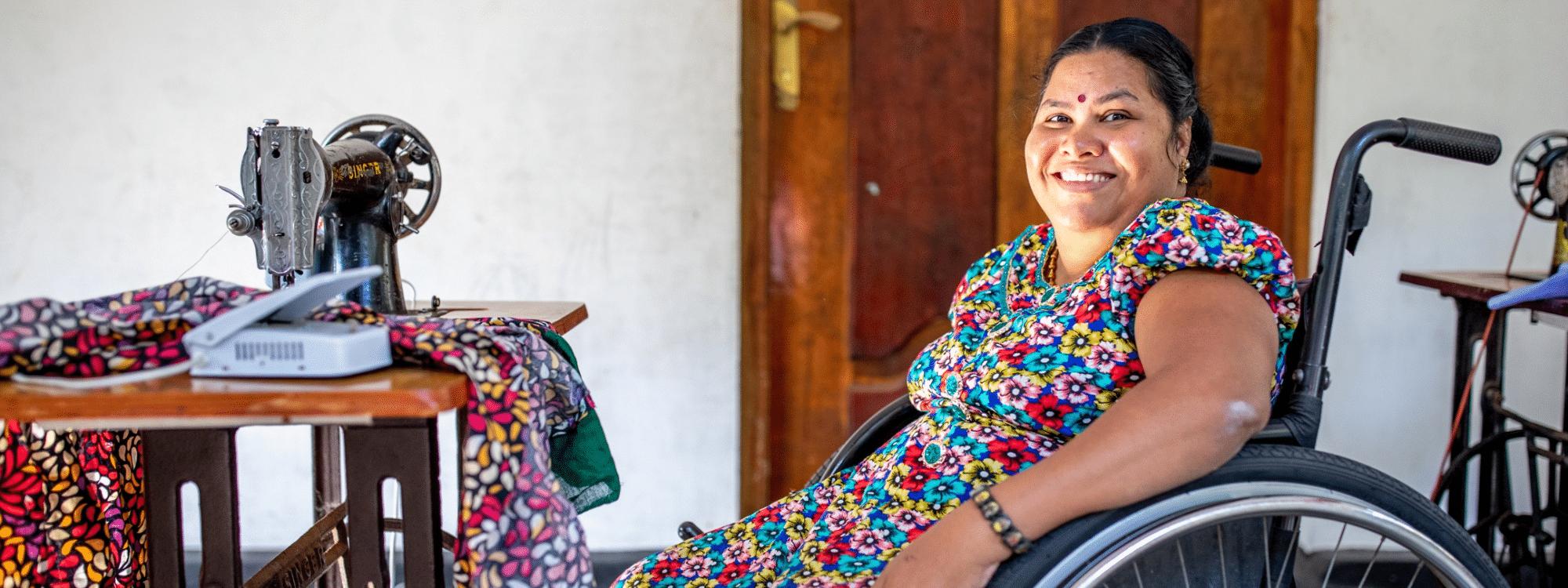
People with disabilities are some of the most vulnerable people in Sri Lanka. They are often excluded from society, lack access to services and find it difficult to secure employment. We support our partner Deaflink, a ministry of the Methodist Church in Sri Lanka, to provide access to education for children with disabilities and vocational training and livelihood support to people with disabilities.
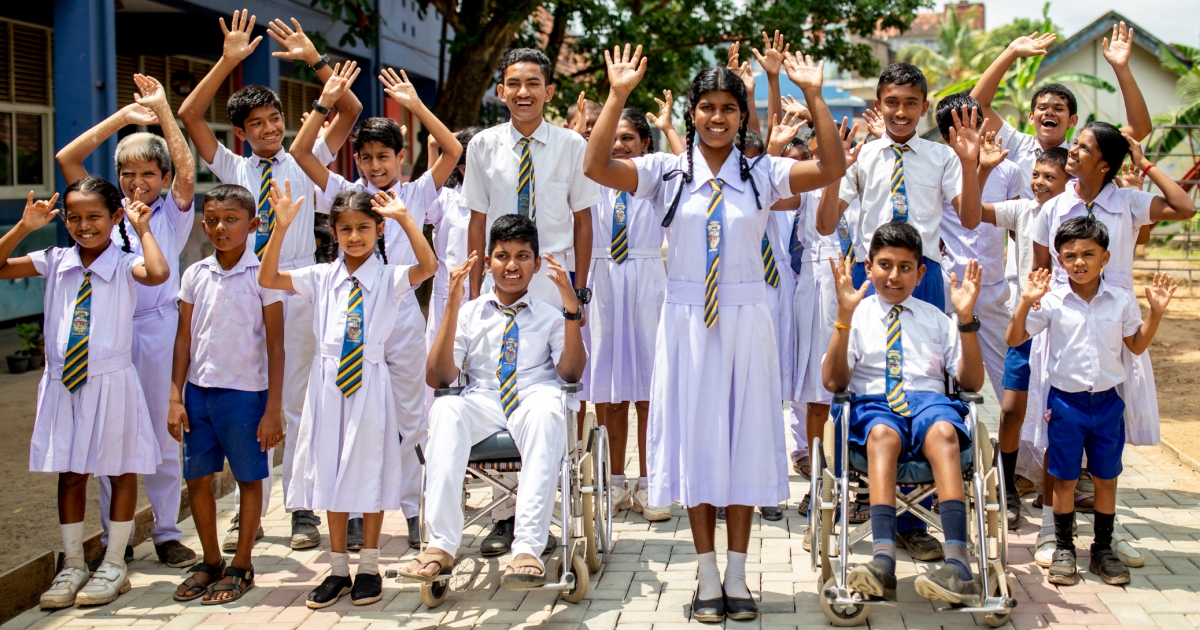
Schools that include everyone.
The mission of this project is to ensure that people with disabilities are accepted, equal, and valued members of society in the Northern and Eastern Provinces of Sri Lanka.
It aims to empower and improve the wellbeing of people with disabilities, through improving access to education, safety and protection, and livelihood opportunities for children with disabilities and their families.
The project is implemented by Deaflink, a ministry within the Methodist Church of Sri Lanka, who use UnitingWorld funding to train teachers in inclusive education and to resource Special Education Units within government schools.
It also works through Self Help Groups comprised of adults with disabilities and parents of children with disabilities, who are supported through vocational and financial training to set up small businesses to improve their livelihoods.
Work during FY26
249
additional boys and girls with disabilities enrolled in school
57
teachers trained to improve learning outcomes
112
people received training in disability awareness and inclusion
Sangeeth’s journey from academic struggle to all-round success is a powerful reminder that with the right support, belief and opportunity, every child can find their path to shine. Story here.
Our partner
The Methodist Church of Sri Lanka has its roots in the work of Wesleyan missionaries commencing in 1814. Today, the Methodist Church continues its mission of spreading the Gospel and serving the needs of the Sri Lankan people. Deaflink, a division of the Methodist Church of Sri Lanka, shares this commitment to Christ-centered service by empowering people with disabilities, not just those within the Deaf community. Their work primarily focuses on war-affected areas in the North and East of Sri Lanka. Through various initiatives, they aim to provide resources, advocate for inclusion, and create a more just society for all.
When he started school, Sangeeth struggled with traditional learning and fell behind. His parents then enrolled him in the Special Education Unit at their local school. Caring teachers saw his deep passion for sports, arts and music, and built his confidence to enter the world of learning. His determination and hard work began to shine.
Rev. Samuel Gnanarajah Deaflink, Methodist Church Sri Lanka All mighty Heavenly Father, People with disabilities are one of the most marginalized and vulnerable minorities in Sri Lankan society. They are less likely to have access to education, health care facilities, economic and social status than those without disabilities. Our prayer is that the ‘self-help’ […]
Education is a gateway towards a fulfilling future, equipping the next generation with the knowledge, skills and confidence they need to lead a life of their choosing. But for children with disabilities, one of the most marginalised minorities in Sri Lanka, accessing an inclusive education is difficult. As a result, these children are less likely […]
During the worst economic crisis in Sri Lanka’s history, our partners have been reaching out to help vulnerable communities. With inflation now above 50%, the cost of everyday goods like food, fuel and medicine has skyrocketed. Essential services have shut down and there have been widespread power cuts. As frustrations boil over and protests escalate, […]
People with disabilities are some of the most vulnerable people in Sri Lanka. Without support, disabilities can become a huge barrier to accessing appropriate education, employment and full participation in community life. Because of this, people with disabilities are up to five times more likely to live below the poverty line. Some people never get […]
Darshi was born without hearing in an area of Sri Lanka’s west coast which was devastated by the Boxing Day tsunami of 2004. The population are mostly Tamil, and they’ve worked hard to recover and build a better life for their kids. But people with disabilities are up to five times more likely to live in poverty. They represent the most vulnerable group […]