Skip to content
Donate now
    • Make a donation
    • Start a fundraiser
    • Gift catalogue
    • Include a gift in your Will
    • Workplace giving
    • Advocacy
      • Clean Water & Nutrition
      • Health & Education
      • Gender Equality
      • Disaster Ready Communities
      • Emergency Relief
      • Pacific
      • Asia
      • Africa
      • Middle East
    • Engage your congregation
    • Request a Speaker
    • Resources
    • Lent Event 2027 (coming soon)
    • Our Approach
    • Our People
    • News & Updates
    • Annual Reports
    • Policies
    • Contact us
Donate
  • Solomon Islands Gender Equality and Climate Resilience

    Solomon Islands Gender Equality and Climate Resilience
    Women in Solomon Islands

    Solomon Islands Gender Equality & Climate Resilience

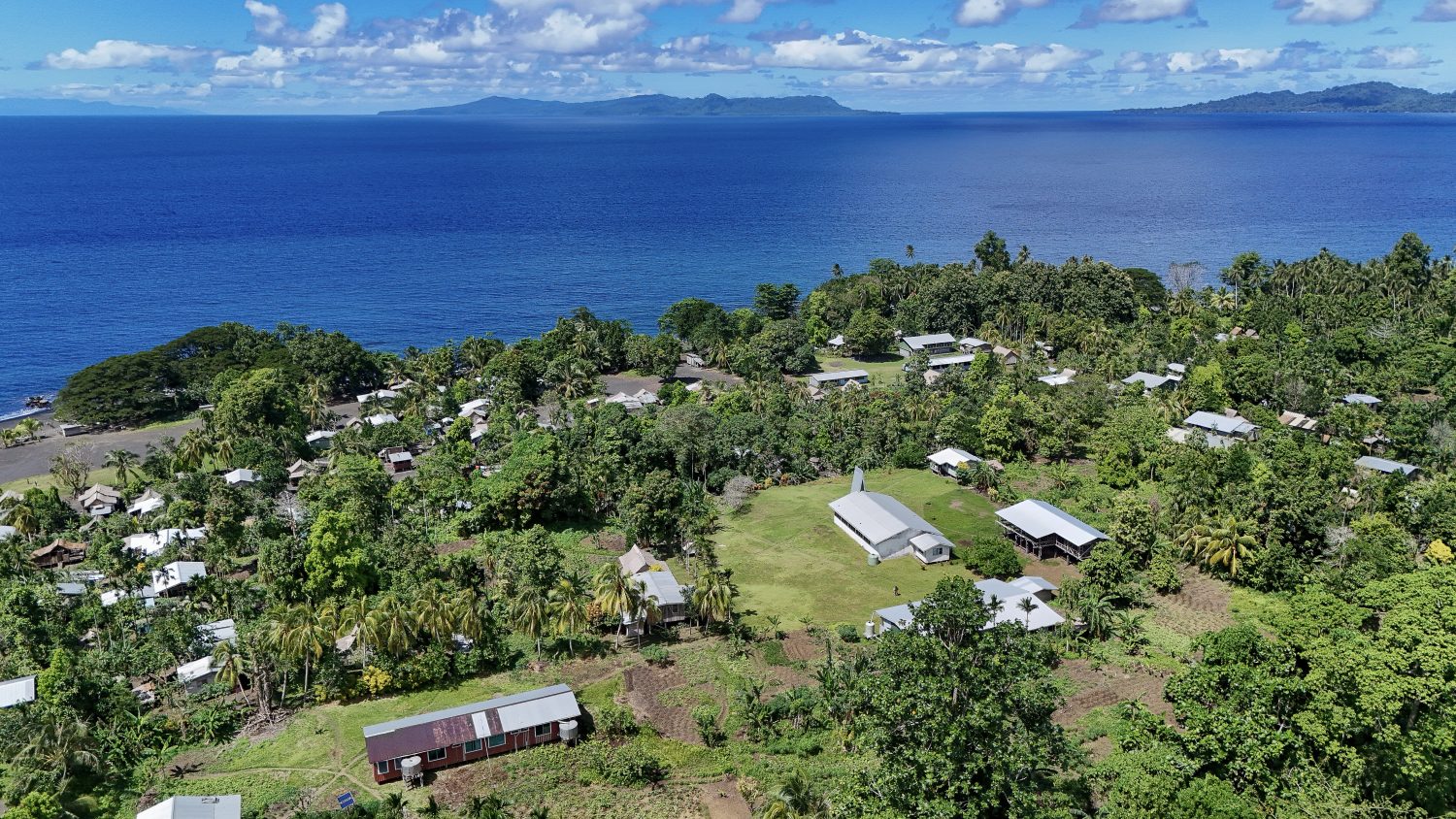
    Most families in the Solomon Islands live in rural villages, growing, fishing and gathering what they eat, so one cyclone, flood or drought can take a season’s food and a family’s income. At the same time, violence against women and children is common, and women are too rarely given a say in decisions.

    Donate now

    Weathering storms, ending violence.

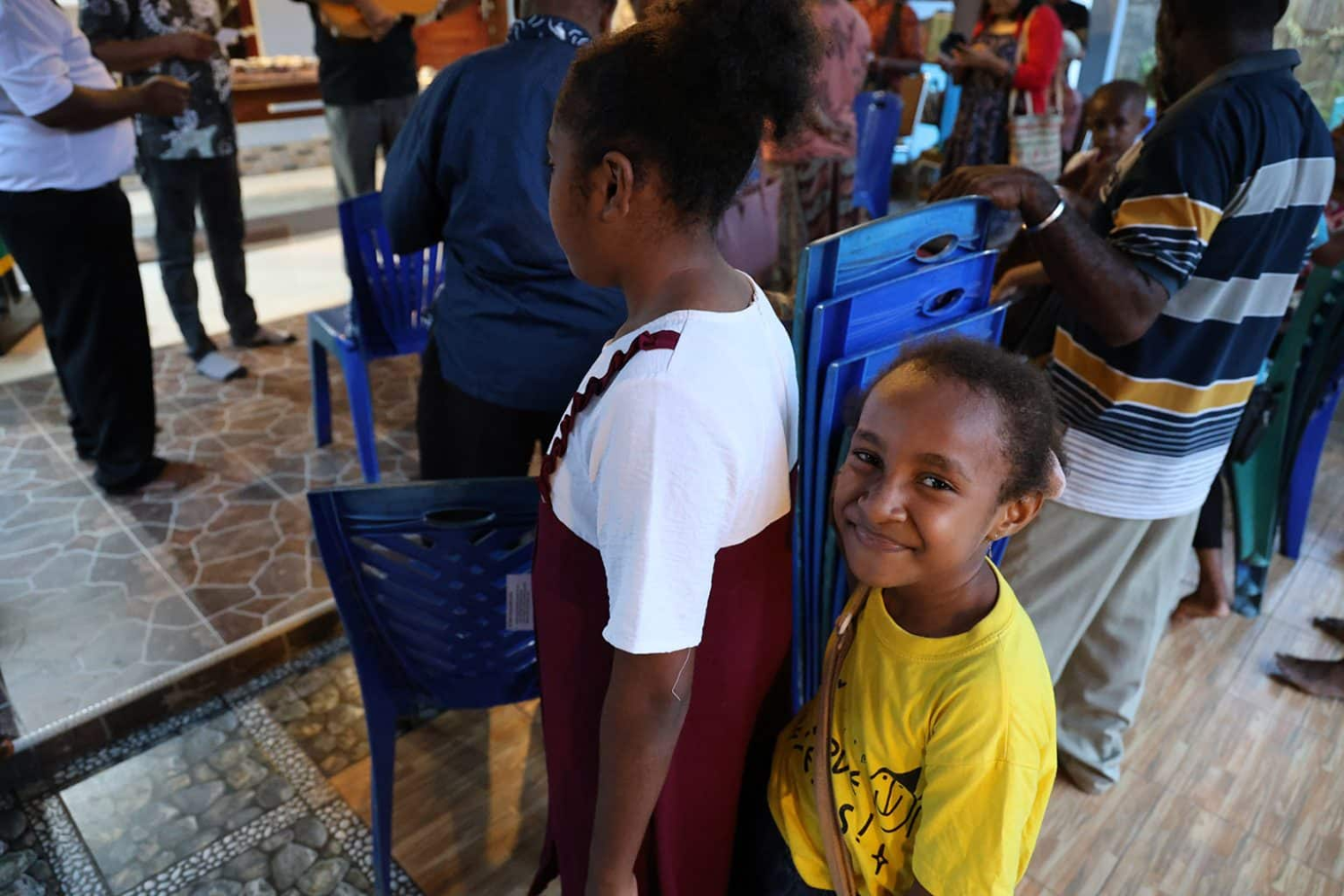
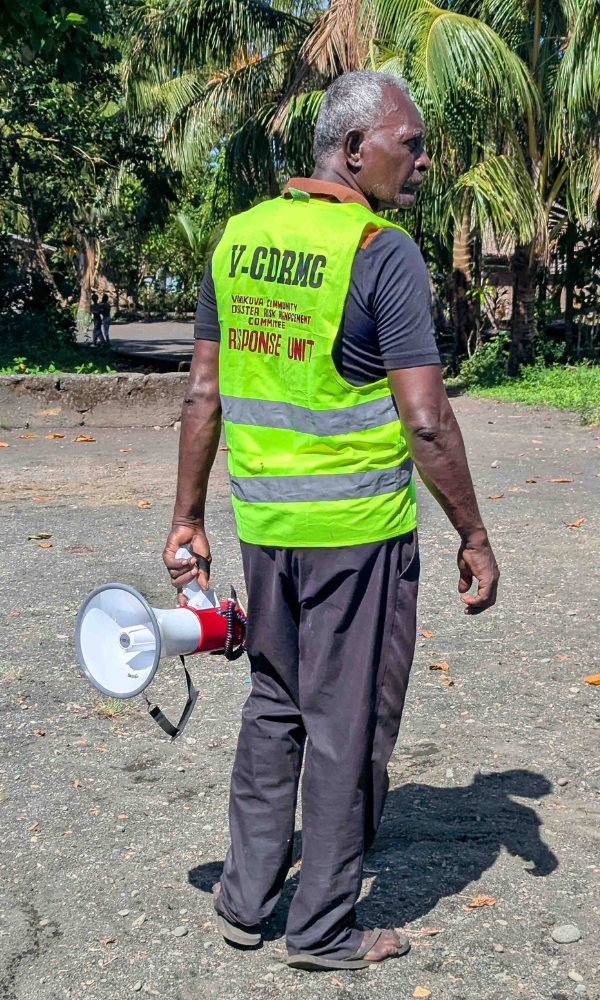
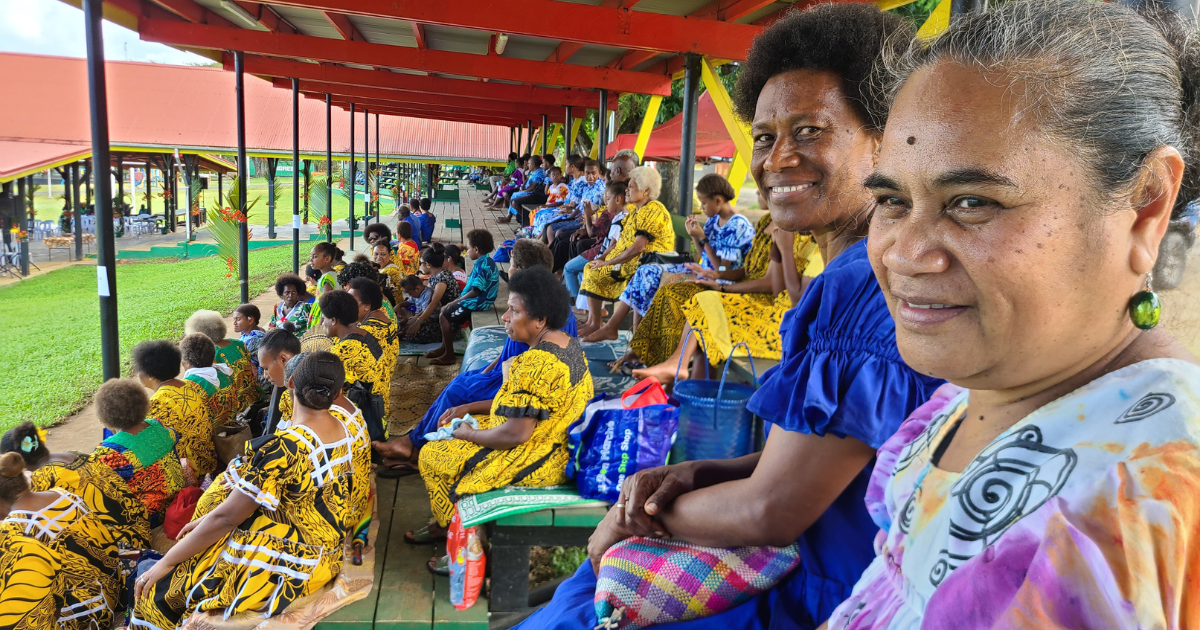
    Climate change and gender inequality touch every part of life in the Solomon Islands, so the United Church in the Solomon Islands (UCSI) works on both together, in villages across Western and Choiseul Provinces. It helps communities prepare for cyclones and floods, grow food that lasts through bad seasons and keep clean water close to home. When Cyclone Maila struck, village disaster committees trained by the church acted early and got people to safety, and the team that visited afterwards was told that no lives were lost.

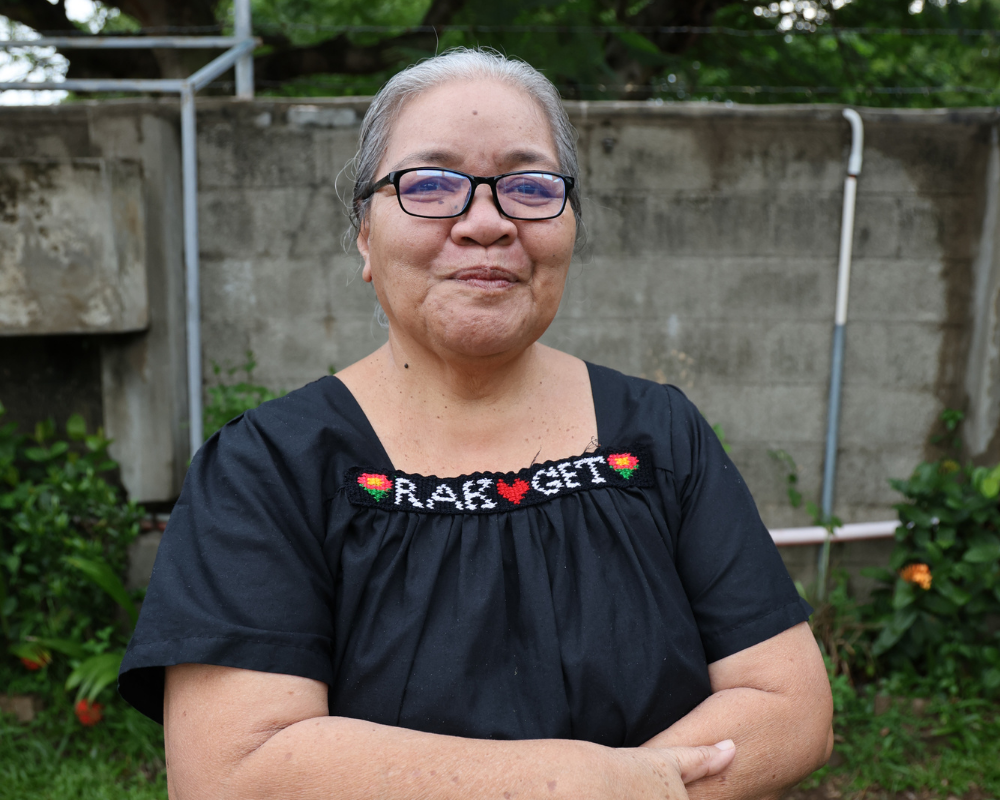
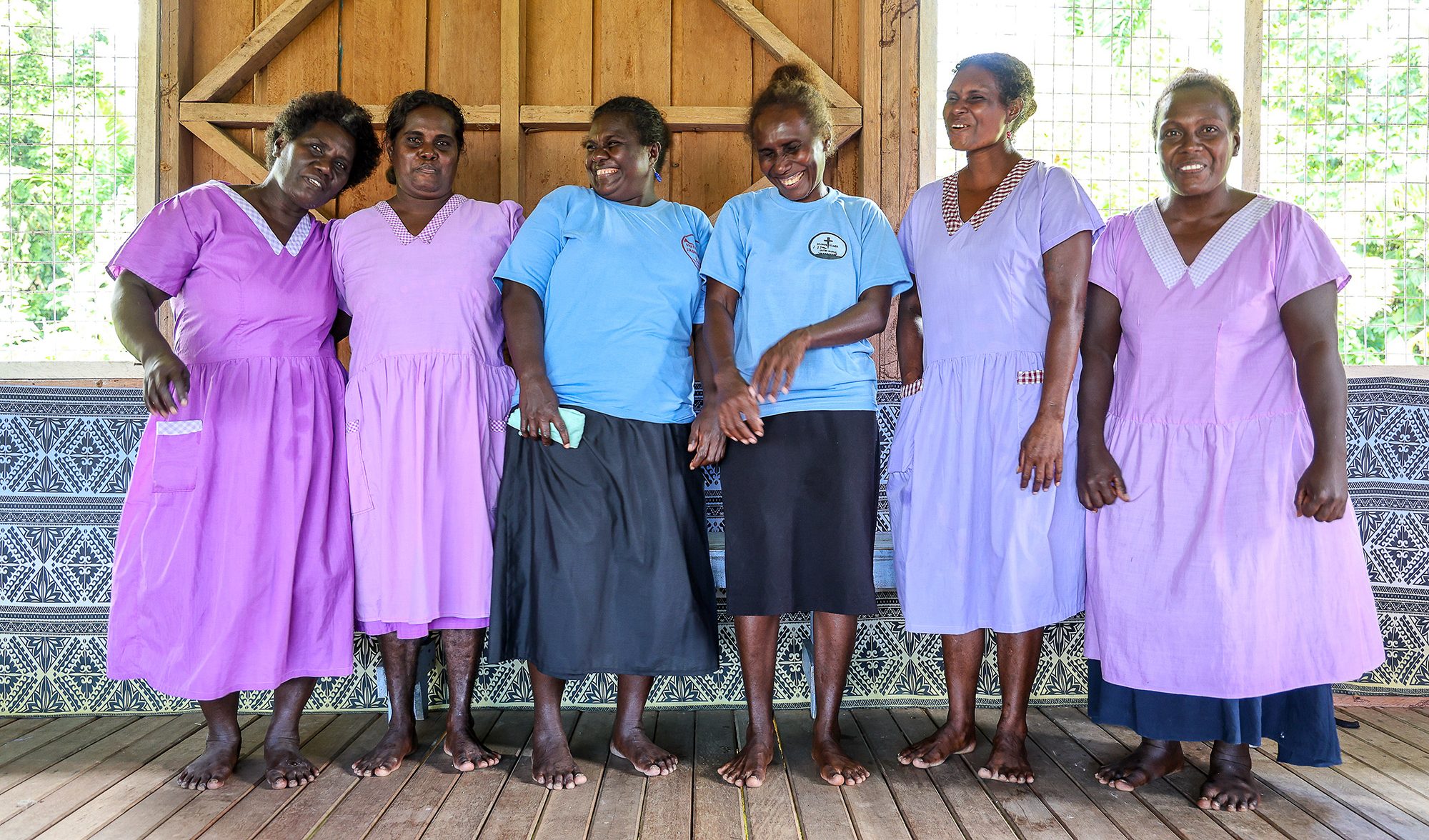
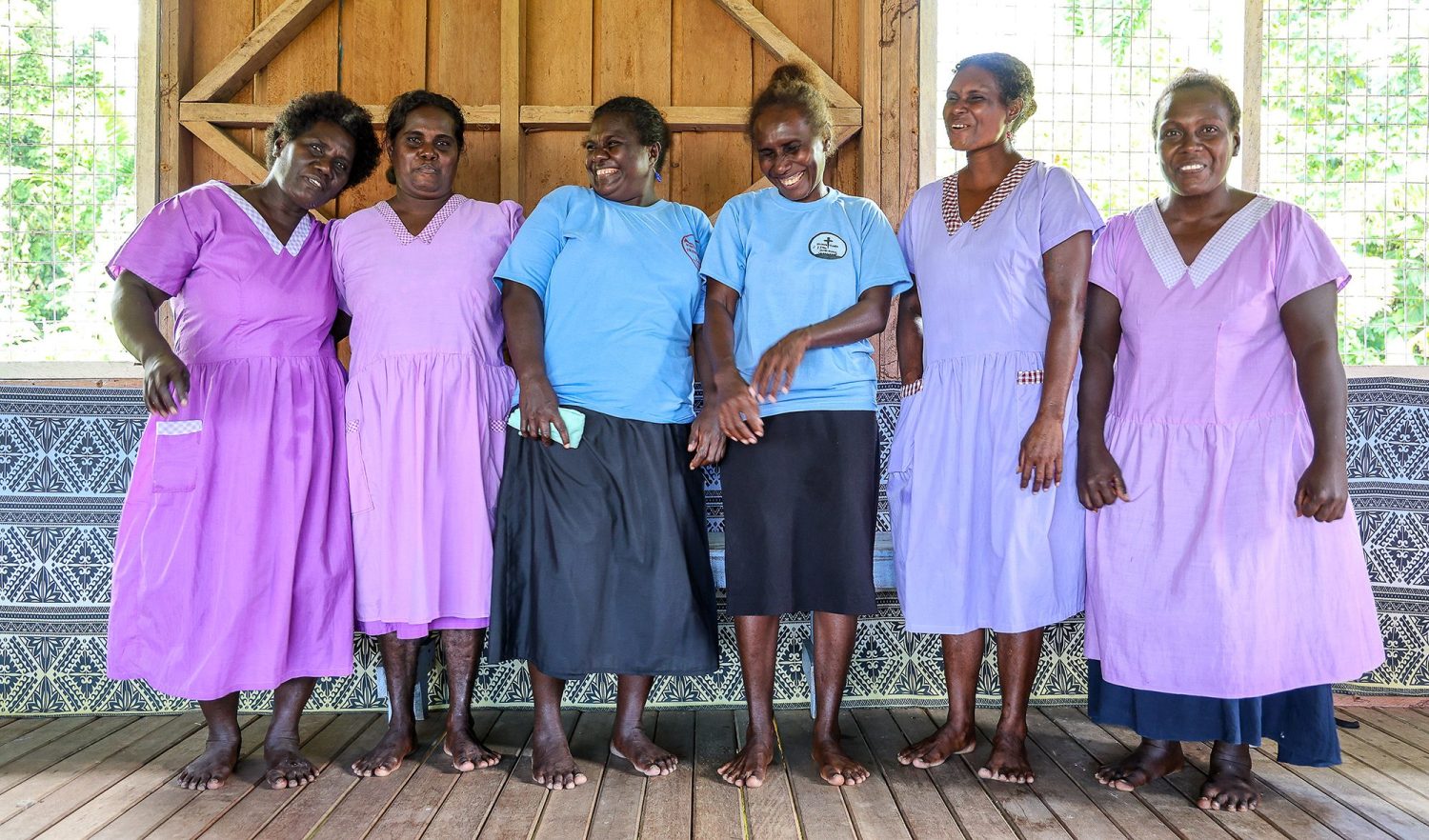
    Gender equality is part of the same work. UCSI trains women to lead with confidence in their communities, churches and families, and teaches healthy relationships, respect for women and girls, and how to prevent violence and seek help. The change is already showing at home: in Vanua village, a woman named Lovelyn says her husband, who once argued about women’s roles, now cooks and helps around the house since the community took part in Gender Equality Theology training.

    “UCSI has been training Community-Based Disaster Risk Management Committees village by village. The communities I visited were full of gratitude, because the training meant they knew exactly what to do when the cyclone hit. It was remarkable to hear that no lives were lost in such a severe cyclone.”

    Rev Siera Bird, UnitingWorld and United Church in Solomon Islands
    Our partners

    The United Church in the Solomon Islands (UCSI) is rooted in villages across Western and Choiseul Provinces, which is why families trust it. Through this partnership it’s helping communities get ready for storms and droughts, grow, store and catch what they need, and prevent violence before it starts.

    UCSI is also strengthening its own policies, systems and staff skills, so it can keep leading this work long after any one project ends.

    Stories from our partners

    These are the stories behind the work.
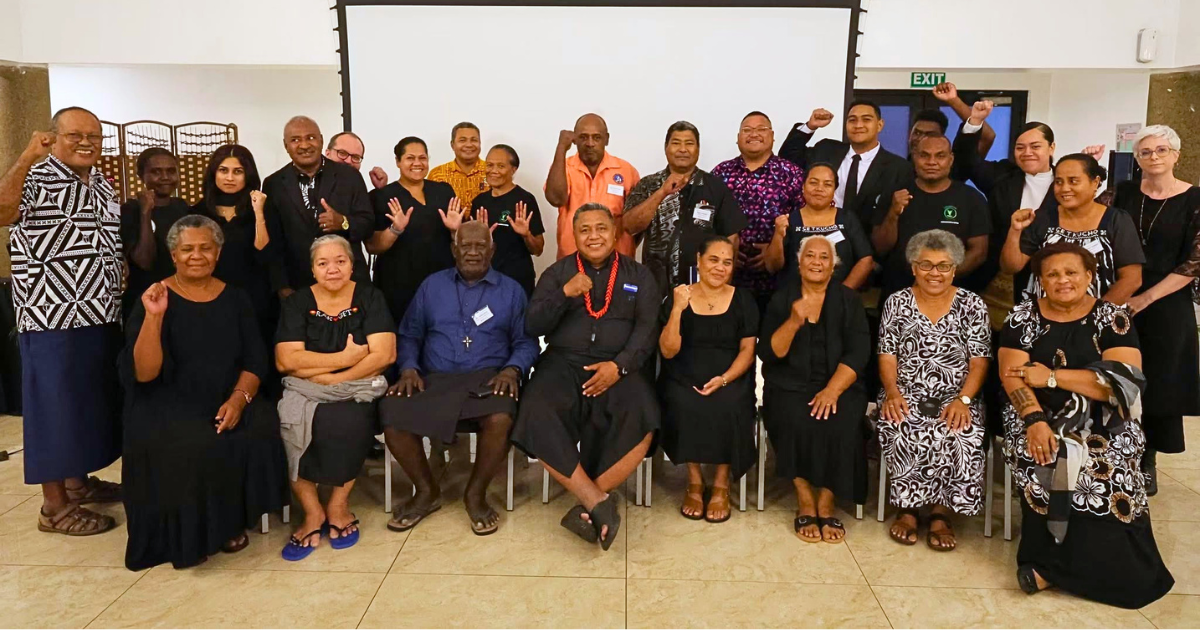
    New devotional series for 16 Days of Activism Against Gender-Based Violence

    UnitingWorld is thrilled to announce the launch of a new devotional series developed by Pacific church and faith leaders in collaboration with UnitingWorld: 16 Days of Devotions: A devotional series for use during the 16 Days of Activism Against Gender-Based Violence.
    Read more

    Deepening our impact on gender justice

    It’s the ten-year anniversary of the Gender Equality Theology resources, which ignited a collaborative movement across the Pacific Church. That movement has been working to reshape how families and intimate partners across the region share power, partnership and faith ever since.

    Read more

    Rebuilding after Maila

    A small team from UnitingWorld visited Solomon Islands in the aftermath of Severe Tropical Cyclone Maila and saw first-hand the impact of your support. Our partner, the United Church in the Solomon Islands (UCSI), continues to build climate resilience, prepare communities for disasters and promote healthy, safe relationships. Rev Siera Bird, UnitingWorld’s International Program Manager […]

    Read more

    Pacific Partners gather in Fiji to share knowledge, strengthen solidarity

    20–24 April 2026 | Nadi, Fiji Church and community partners from across the Pacific came together in Nadi, Fiji this week for UnitingWorld’s Pacific Regional Forum 2026, a week of listening, learning and renewing commitment to shared mission. Participants joined from Fiji, Papua New Guinea, Tonga, Vanuatu, Solomon Islands, Tuvalu, Kiribati and Samoa, alongside UnitingWorld […]

    Read more

    Pasifika churches unite to drive gender equality and safety

    UnitingWorld launches regional initiative to support faith-led collaboration on gender justice UnitingWorld and its church partners in the Pacific have launched the Oceania Faith Communities Advancing Safety and Equality project, with support from the Pacific Women Lead at the Pacific Community (PWL at SPC) program. Each of our church partners brings unique strengths to efforts […]
    Read more

    Keep families safe from storms, hunger and violence.

    Your gift enables the work of our partners in the Solomon Islands helping families most at risk of hunger, violence and disasters.
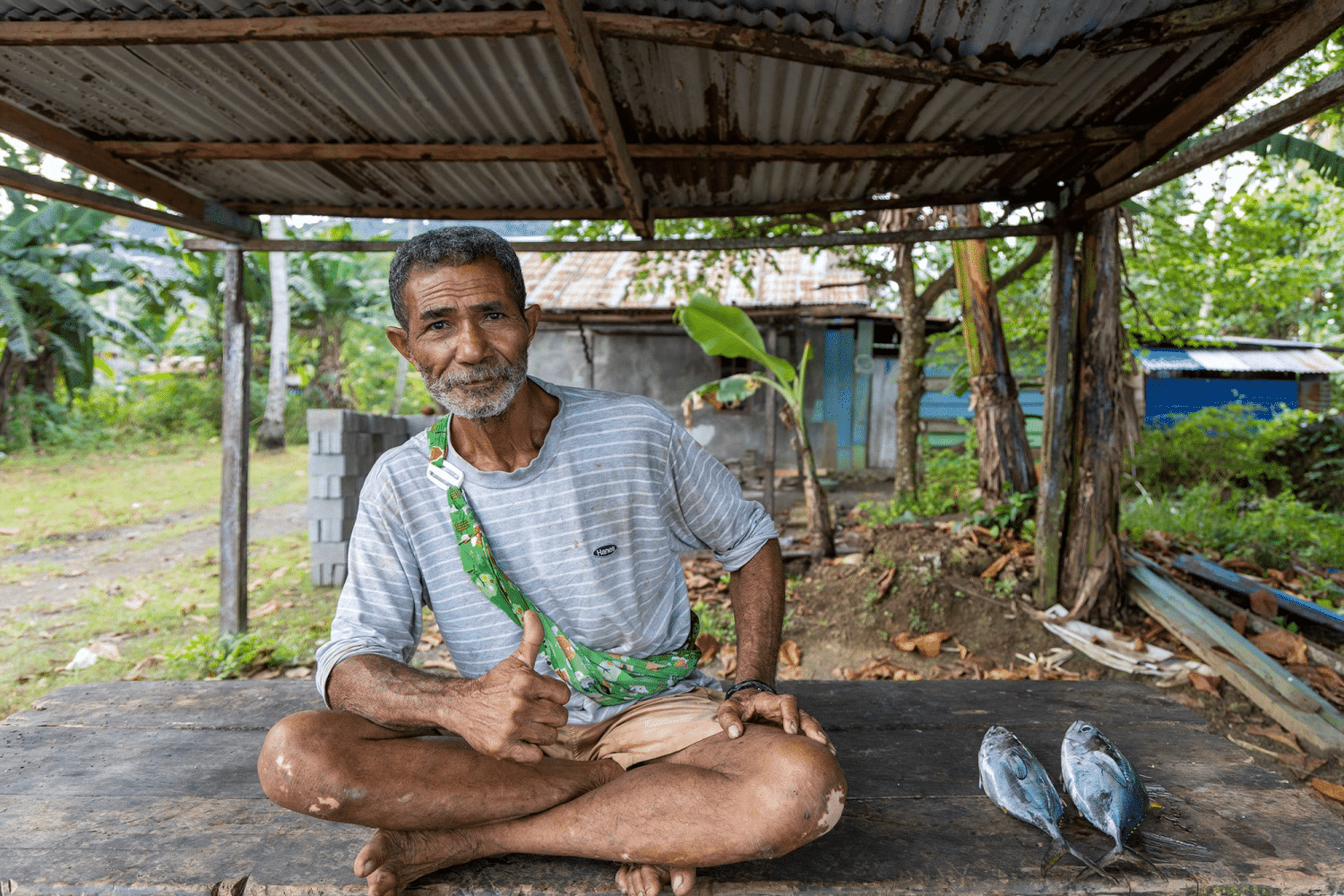
    October 22, 2026
  • Where the forest is called Mother

    Where the forest is called Mother

    Where the forest is called Mother

    How the church in West Papua is fighting to restore balance between people and place.

    “Papuans call the forest ‘mother’, the coast ‘child’, and the sea ‘father’. These are sacred relationships.”

    Albert, GKI-TP elder and conservationist

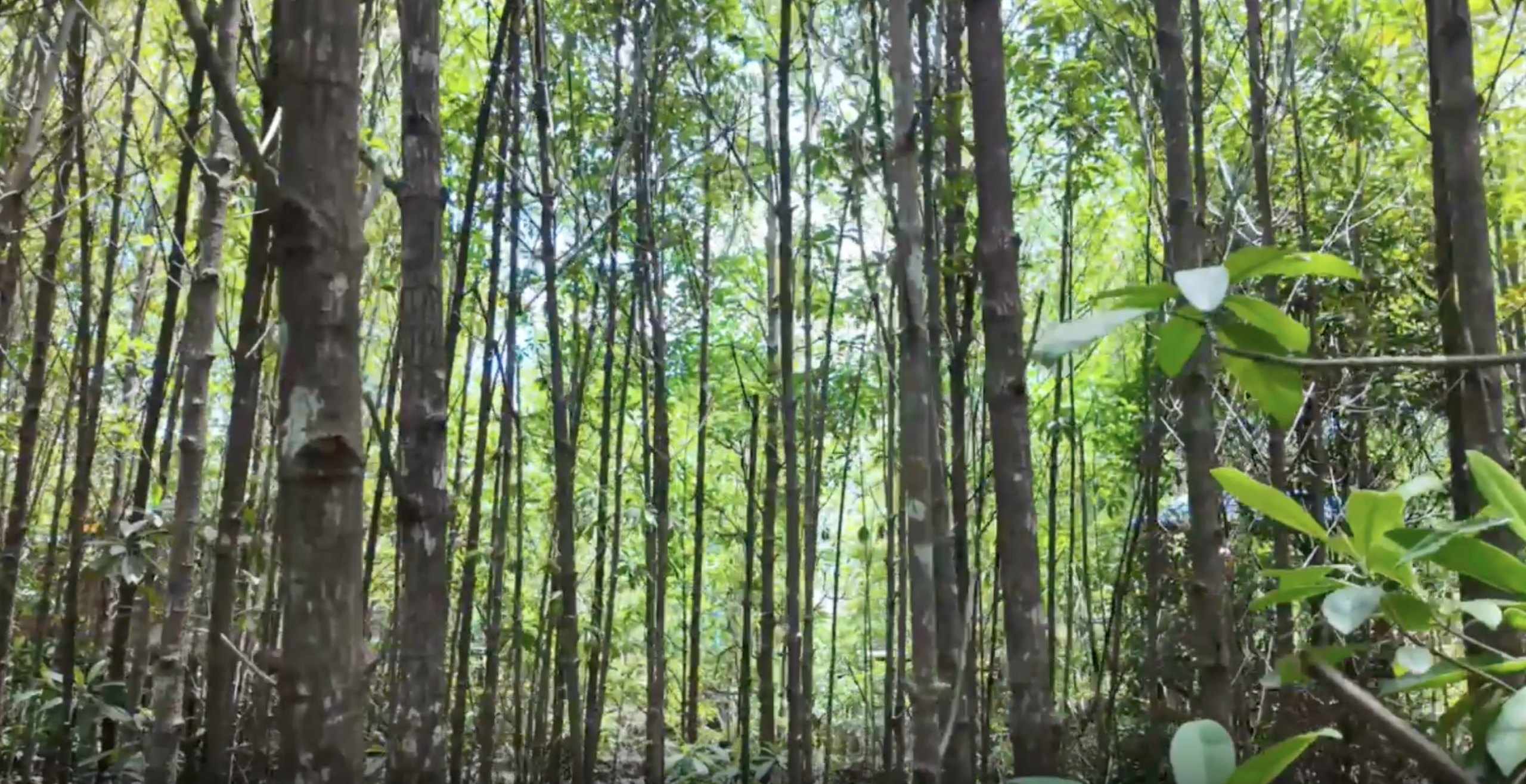
    West Papua is home to some of the world’s richest ecosystems. Ancient rainforests, sprawling mangrove swamps, and coral reefs teeming with life.

    Together with Papua New Guinea, this region holds the world’s third-largest rainforest, a vital carbon sink affectionately known among conservationists as one the lungs of the Earth, with the Amazon and Congo Basin.

    For generations, Indigenous Papuans have lived in deep relationship with the environment around them, for food, water and survival, but also identity, spirituality and culture. Most families are subsistence farmers or fishers who understand the balance between nature and human need without ever speaking the language of climate science.

    But today, that balance is breaking down—and families are going hungry.

    Despite its natural wealth, West Papua is Indonesia’s poorest province. One in five children is malnourished. And climate change is making life harder for the poorest people.

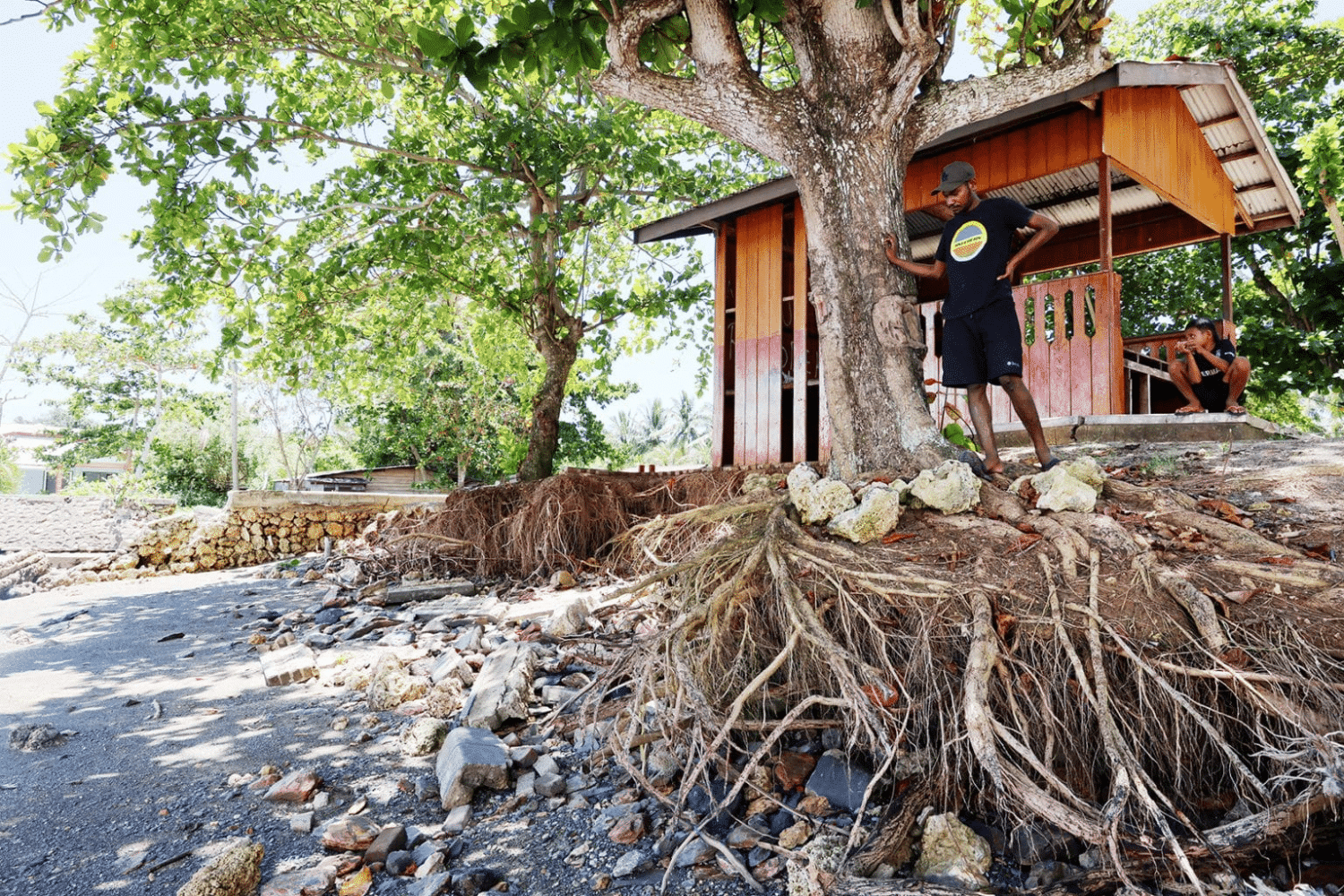
    Illegal logging, mining and the effects of climate change are reshaping both land and sea. Floods and erosion are washing away crops and homes. Mangroves that once protected the coastline are being cleared. And as the environment becomes more fragile, so too does life for the people who depend on it.

    coastal erosion
    Coastal erosion is swallowing the built areas along the north coast of West Papua.
    One in five children in West Papua are malnourished or stunted.
    One in five children in West Papua are malnourished or stunted.

    A church that reaches every village

    In remote regions like Tambrauw in the far northern coast—neglected by government services and difficult for aid agencies to access—there’s one institution present in every community: the church.

    The Evangelical Christian Church in the Land of Papua (GKI-TP) has served West Papuan communities since the first missionaries arrived in 1855. Now fully indigenous, nearly 90% of congregations are in rural areas and the majority of congregational leaders are women. When crisis hits, the church is already there. When others leave, church leaders remain.

    With more than 800,000 members, they are the largest civil society organisation in West Papua, with deep roots and significant collective and political power.

    Already advocating for the protection of the environment and indigenous land rights, they now want to expand their support for communities struggling through poverty and the growing impacts of climate change.

    UnitingWorld partners with churches like GKI-TP who are already leading change and transforming lives and communities. By working together, we can expand the reach of grassroots leaders and support long-term solutions to poverty, hunger and environmental degradation.

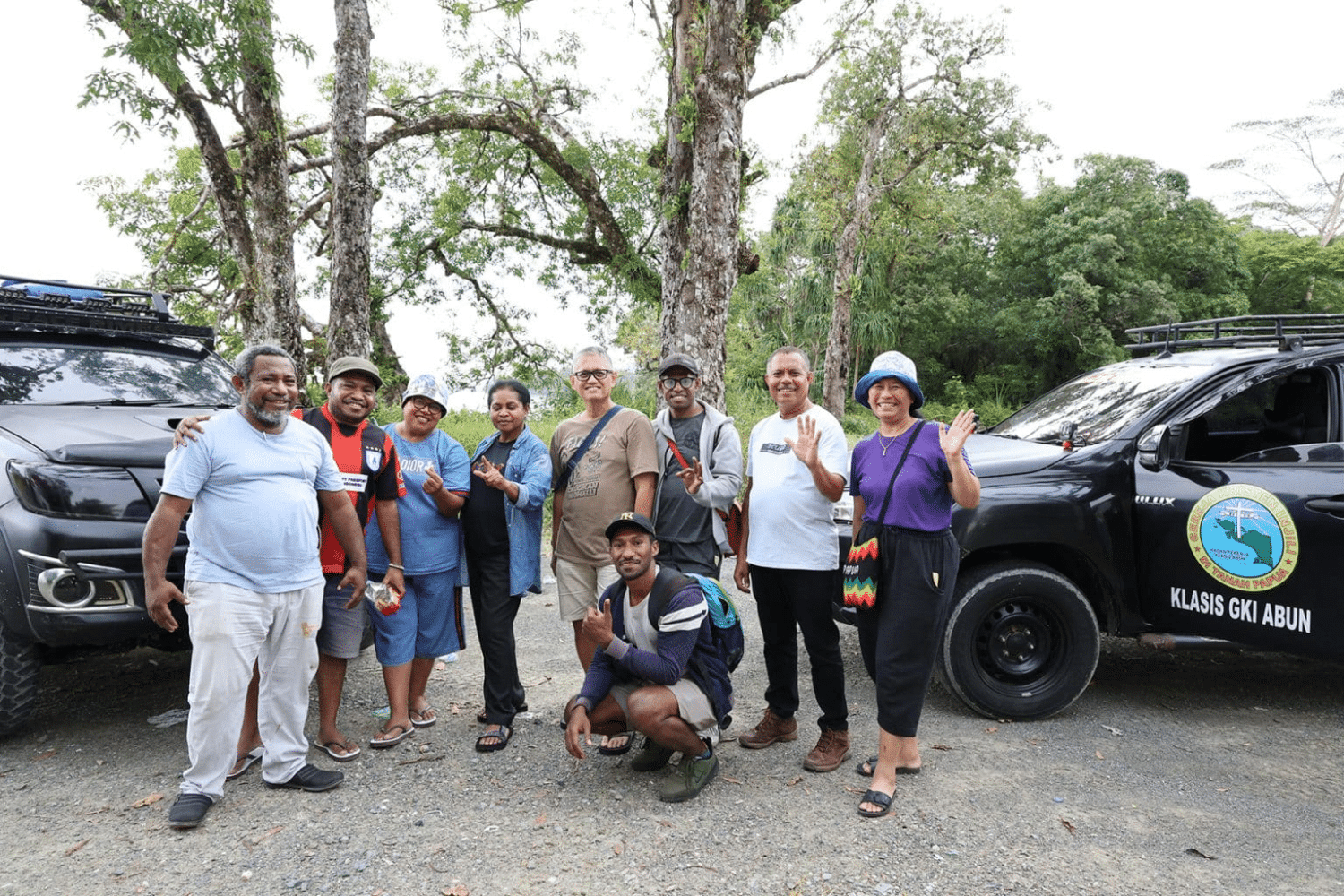
    The GKI-TP Climate Team and UnitingWorld staff travelling to the remote Tambrauw Province of West Papua.
    The GKI-TP Climate Team and UnitingWorld staff travelling to the remote Tambrauw Province of West Papua.

    When the GKI-TP team arrived in Tambrauw in the far north coast of West Papua to gather the perspectives of the community, Maria was quiet at first. Her eyes showed the weariness of someone who has endured too much.

    But when women and men were separated to share their perspectives, she found courage to speak. And her words—thanking people simply for asking—revealed how deeply neglected these communities have been.

    Maria is the mother of eight surviving children. Five others died during childbirth or early childhood.

    She raises her family mostly alone, working from dawn until nightfall—tending her food garden, then working shifts at a co-op making moisturizer from a local fruit tree. She provides food, takes her children to school and church, and hopes they might escape the poverty she has known.

    But climate change is making everything harder.

    “The wet and dry seasons are becoming more extreme. When it’s dry, we plant in the flat areas and must water constantly. When the rains are heavy, we can only plant on the hills.”

    Maria

    Maria’s story opened the door. Other women nodded in agreement. And what the team heard over the following days made it clear: poverty and climate change are making hard-working families like Maria’s utterly vulnerable to hunger, sickness and disaster.

    Things are getting worse, but solutions are possible.

    Leaders with a heart for people and place

    GKI-TP’s statement of faith commits the church to caring for the environment to ensure the flourishing of future generations. The statement has had a huge influence, inspiring leaders to organise grassroots efforts to conserve the lands people depend on.

    Albert is an example of the power of theology. He once spent 20 years working for one of the world’s largest mining companies operating in West Papua’s highlands. The job was secure. The pay was good.

    But something gnawed at his consciousness.

    He watched forests disappear. He saw communities displaced. He knew most of the wealth flowing out of the ground wasn’t staying in Papua.

    “I started asking myself: Can we grow an economy from protecting nature rather than destroying it?”
    So he left mining and dedicated himself to answering that question.

    Now, as an elder in GKI-TP, Albert runs education programs teaching children and youth about the forests, rivers and reefs that surround them. He started his own foundation. He works with schools, government and academics. He’s won awards for his conservation work. Albert believes:

    “Conservation is a form of Christian faithfulness. It is a response of gratitude for God’s provision of the forests, rivers, and seas that feed and house us. We Papuans call the forest ‘mother’, the coast ‘child’, and the sea ‘father’. These are sacred relationships. But without good leadership, we are losing them.”

    Continue reading…

    Deepening our impact on gender justice

    It’s the ten-year anniversary of the Gender Equality Theology resources, which ignited a collaborative movement across the Pacific Church. That movement has been working to reshape how families and intimate partners across the region share power, partnership and faith ever since.

    Read more

    When the food garden fails

    A family in Timor-Leste faces hunger as climate change disrupts the land they depend on, but finds hope through partnership and faith.

    Read more

    From the cowsheds to the council chamber

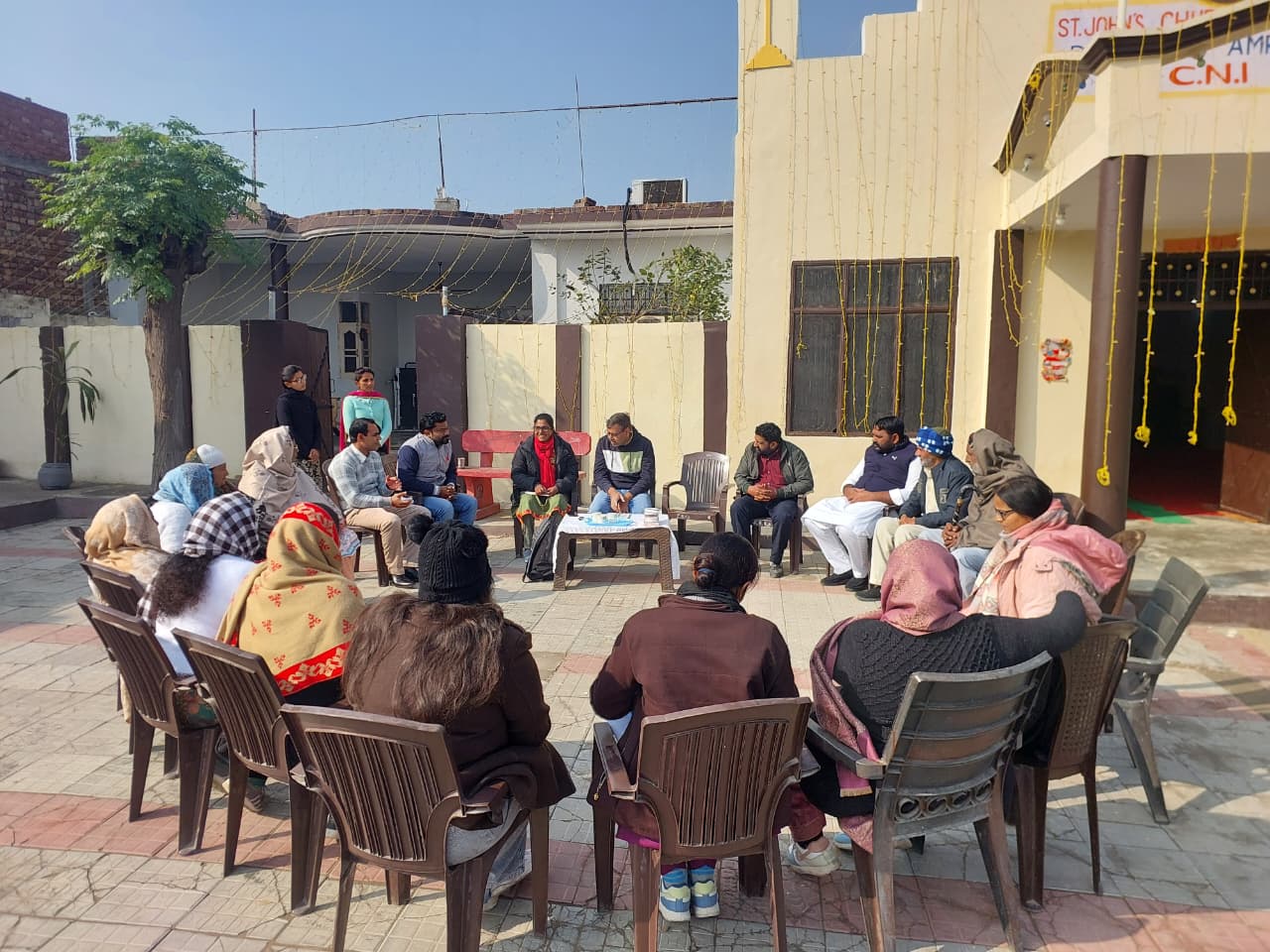
    For generations, a Dalit* community near the India-Pakistan border had no land, no vote, and no say over their own lives. Then one small classroom changed everything: first for the children inside it, then for the whole village.

    Read more

    Emergency cyclone response in Milne Bay Province, PNG

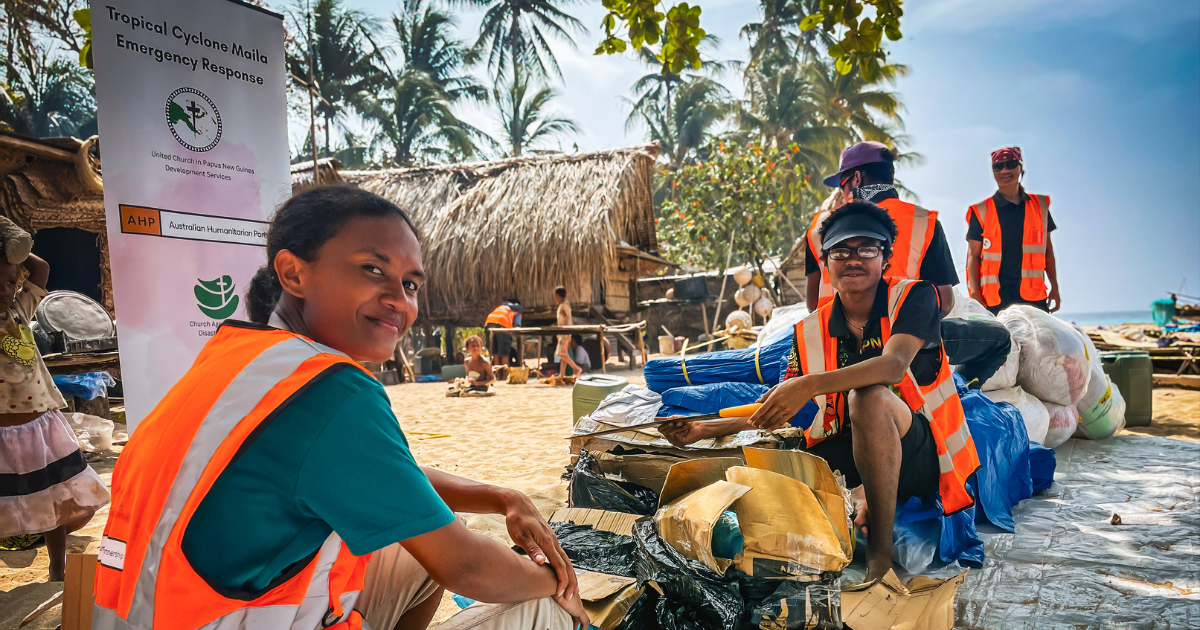
    Category 5 Tropical Cyclone Maila passed over eastern Papua New Guinea between 6 and 8 April 2026, caused severe destruction across multiple provinces.  On the remote outer islands of Milne Bay Province, wells and gardens that sustain whole communities were damaged. In response, the United Church in Papua New Guinea (UCPNG), supported by the Australian […]

    Read more

    New devotional series for 16 Days of Activism Against Gender-Based Violence

    UnitingWorld is thrilled to announce the launch of a new devotional series developed by Pacific church and faith leaders in collaboration with UnitingWorld: 16 Days of Devotions: A devotional series for use during the 16 Days of Activism Against Gender-Based Violence.

    Read more

    Gaza Crisis Appeal Update, Nov 2026

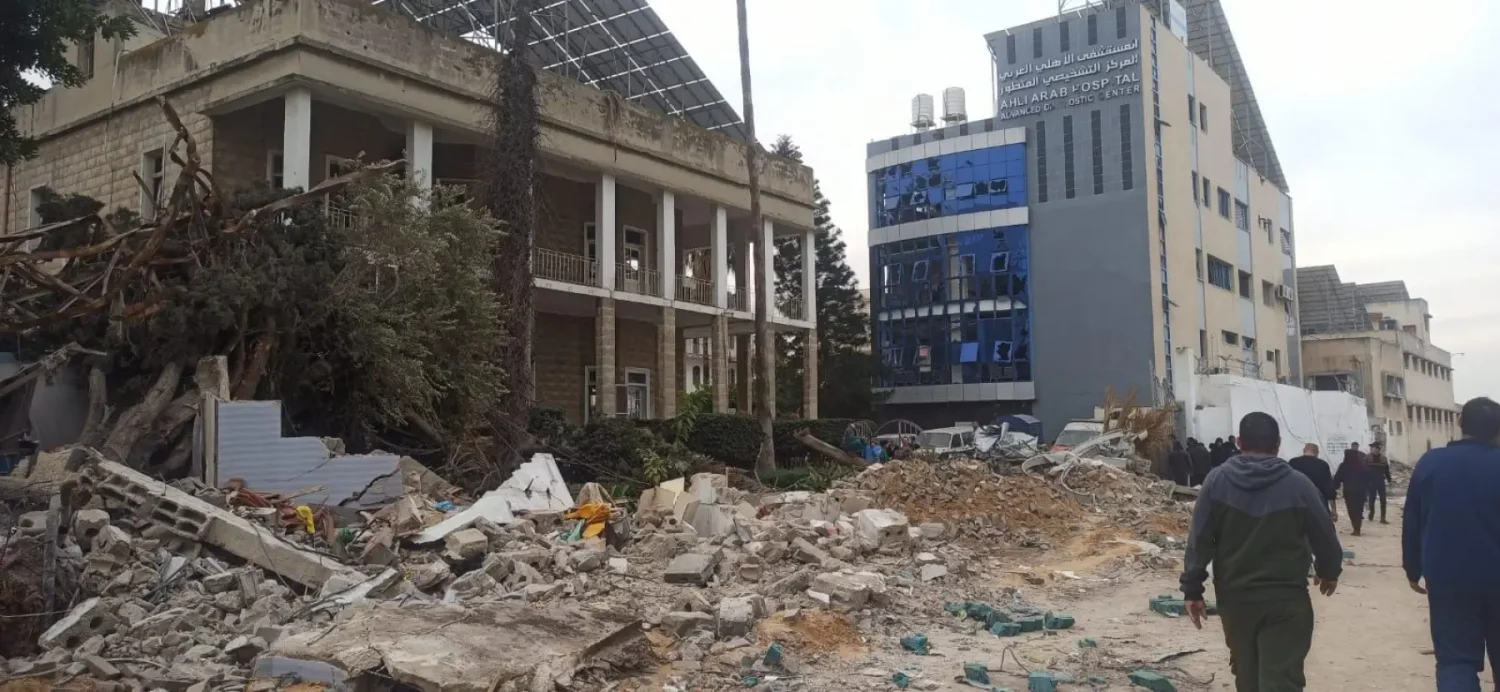
    In Gaza, lack of water and sanitation, shelter, food and medicine is causing serious health challenges. The funds raised will go toward staff salaries at Al-Ahli, Gaza’s only Christian hospital. A place where everyone, regardless of background or faith, receives treatment.

    Read more

    Your gifts in action: Middle East Emergency Appeal, Oct 2026

    The Middle East Council of Churches (MECC) ”Light of Hope” relief operation is already underway. Working through local churches, municipalities, and trusted community networks, MECC can reach families that no one else can.

    Read more

    Stand with communities building a different future.

    Every single person is valuable and deserves to live with hope and dignity. The communities we work with are our global neighbours, and we are physically and economically.

    Donate now

    marcusc@unitingworld.org.au

    August 10, 2026
    West Papua Livelihoods & Forest Conservation
  • Rebuilding after Maila

    Rebuilding after Maila

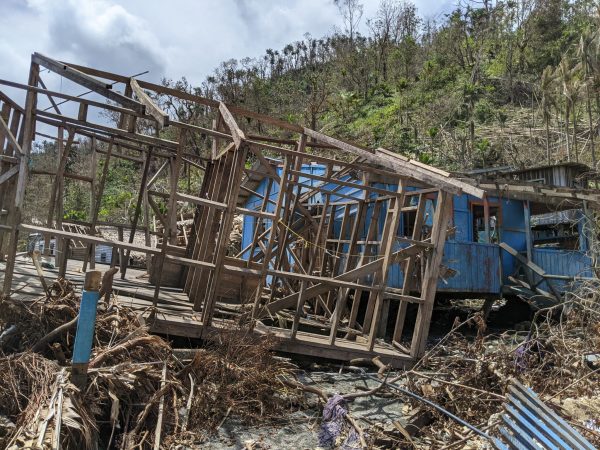
    A small team from UnitingWorld visited Solomon Islands in the aftermath of Severe Tropical Cyclone Maila and saw first-hand the impact of your support.

    Our partner, the United Church in the Solomon Islands (UCSI), continues to build climate resilience, prepare communities for disasters and promote healthy, safe relationships. Rev Siera Bird, UnitingWorld’s International Program Manager for the Pacific and a Solomon Islander, shares what she saw:

    How is disaster preparedness making a difference?

    “UCSI has been training Community-Based Disaster Risk Management Committees village by village. The communities I visited were full of gratitude, because the training meant they knew exactly what to do when the cyclone Maila hit. The UCSI team are really excited to see the community disaster committees activating early, just as they were trained, and showing people what to do and getting them to safety. It was remarkable to hear that no lives were lost in such a severe cyclone.”

    What changes have you seen on gender equality?

    “In Vanua village, one of the first communities to take part in the UnitingWorld-supported Gender Equality Theology training back in 2019, I saw real change. One woman, Lovelyn, told me her husband, who once argued about women’s roles and work, now cooks and helps at home. Rev Wilson Agiri, who hosted us in his church, spent much of his time cooking for us and caring for the sick in his community, work that was traditionally left to women. It felt to me like a whole community shift is slowly happening through God’s grace.”

    What do you hope for the future of this partnership?

    “I pray my people can enjoy the abundance and fullness of life God intends. Gender-based violence is still at crisis levels and that weighs heavily on my heart. People are very vulnerable to disasters, but there are many things we can do to help.

    “I hope and pray we will have a closer partnership built on shared wisdom between people in the Solomon Islands and Australia. There’s so much we can learn from each other.”

    Rev Siera Bird, UnitingWorld and UCSI

    Thank you for making this transformative partnership in Solomon Islands possible through your support.


    Mirela

    August 6, 2026
    News, Solomon Islands Gender Equality and Climate Resilience
  • Food security and climate resilience in Timor-Leste

    Food security and climate resilience in Timor-Leste

    Food security and climate resilience in Timor-Leste

    Families in Timor-Leste live from what they grow, but droughts, unpredictable rains and soil erosion are withering and washing away their crops. The “hungry season” that once lasted a month has become chronic, and nearly half of the country’s children are stunted by malnutrition, among the highest rates in the world.

    Donate now

    Growing food, health and hope.

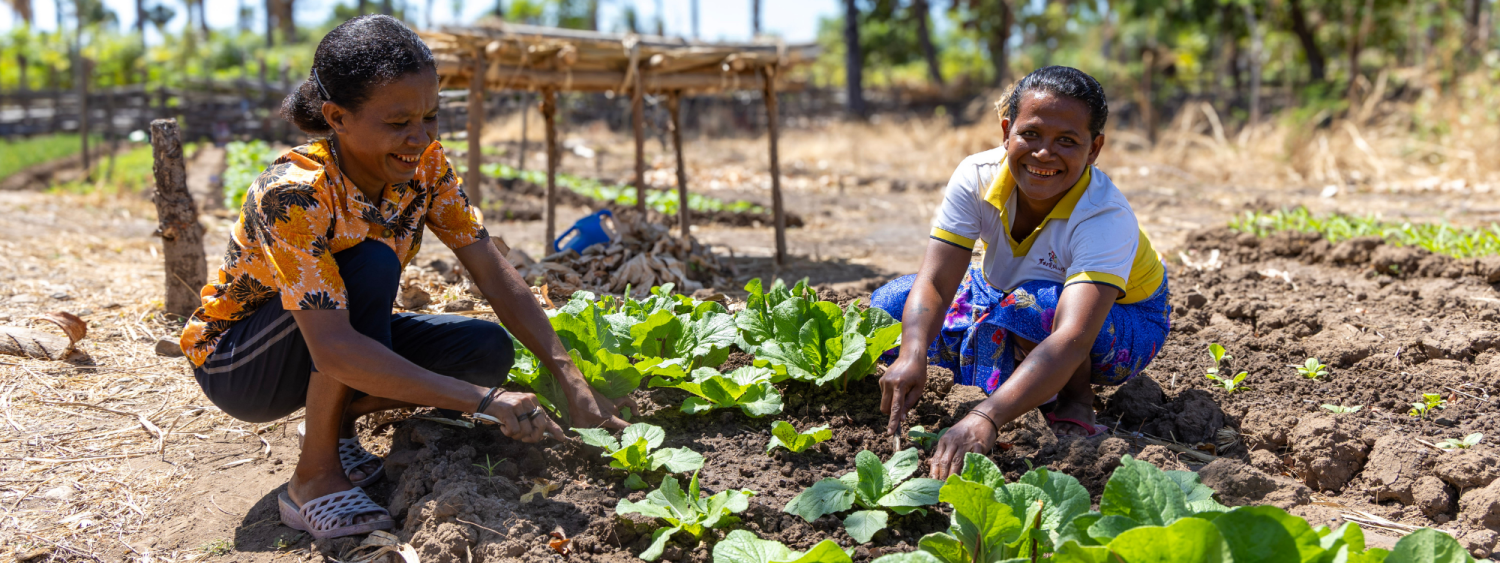
    FUSONA, the development agency of the Protestant Church of Timor-Leste, helps families grow enough food to feed their children and earn a living as the climate changes. Trained village health volunteers bring health, nutrition and sanitation education to mothers and young children, and families are supported to start kitchen gardens and learn farming that stands up to drought and unpredictable rain.

    Communities also look after the land and water their food depends on, planting trees to protect springs and working with village leaders to put climate action into local custom and rules.

    The approach works. In one village, FUSONA helped 15 families work together on a garden of almost 8,000 square metres, growing vegetables, corn and sweet potatoes. With a reliable water supply from irrigation wells, yields have risen sharply, children are better nourished, and selling the surplus pays for other needs. The group is led by Calisto, a traditional leader, who joined because he was worried about malnourished children and women in his community.

    “When FUSONA’s staff came to introduce the kitchen garden program to me and my neighbours, I was excited and happy to join because they offered different seeds for us to grow and we don’t need to spend money to buy them.”

    Bernadeta, community member and group leader, Timor-Leste

    Our partners

    FUSONA is the development agency of the Protestant Church of Timor-Leste (IPTL). Deeply rooted in its communities and driven by the conviction that the Good News of Jesus is tangible and practical, FUSONA works with families across Timor-Leste on food security, maternal health, water access and climate resilience. UnitingWorld has backed FUSONA for years, funding, resourcing and standing with its work as a long-term partner.

    This project is supported by the Australian Government through the Australian NGO Cooperation Program (ANCP).

    Stories from our partners

    More stories from Timor-Leste.

    Improving food security in Timor-Leste

    UnitingWorld has been supporting our partner in Timor-Leste to help communities prepare for and respond to the impacts of El Niño. As a small island nation, Timor-Leste relies heavily on rain-fed agriculture and imported food. Since September 2023, the El Niño weather event has led to drought-like conditions, irregular rainfall, and flash floods during the […]

    Read more

    “I love my kitchen garden”

    46-year-old Bernadeta has long been a gardener.   Around her home in rural Timor-Leste, she’s tried her hand at growing more than just staples.  “I was growing vegetables such as bitter-gourd, string-beans, eggplants, water-spinach, green vegetables, lettuce and spinach,” she says.  But it wasn’t until UnitingWorld’s partner FUSONA* offered her some assistance and invited her to […]

    Read more

    Planting a new future for the children of Timor-Leste and Maluku

    There’s a food crisis in two of the poorest places in our region. Our partners have a plan to beat it. Malnutrition, particularly among children, has been a huge problem in Timor-Leste and Maluku (East Indonesia) and now there is a hidden hunger crisis being made worse by the rising cost of living, global conflict and […]

    Read more

    UnitingWorld’s submission to the Act2 Project

    Act2 is a major transformational change project focused on shaping the future of the Uniting Church in Australia (UCA). As part of the Act2 Project, every Uniting Church member, council and community is being invited to take part. We’ve contributed our perspective through a written submission, and in an online forum where we were joined […]

    Read more

    Help families in Timor-Leste grow food that lasts

    Your gift helps feed children, protect springs and soil, and build steadier incomes. This approach could reach every village in the region if the resources were there.

    July 29, 2026
  • Kiribati Gender Equality and Climate Resilience

    Kiribati Gender Equality and Climate Resilience

    Kiribati Gender Equality and Climate Resilience

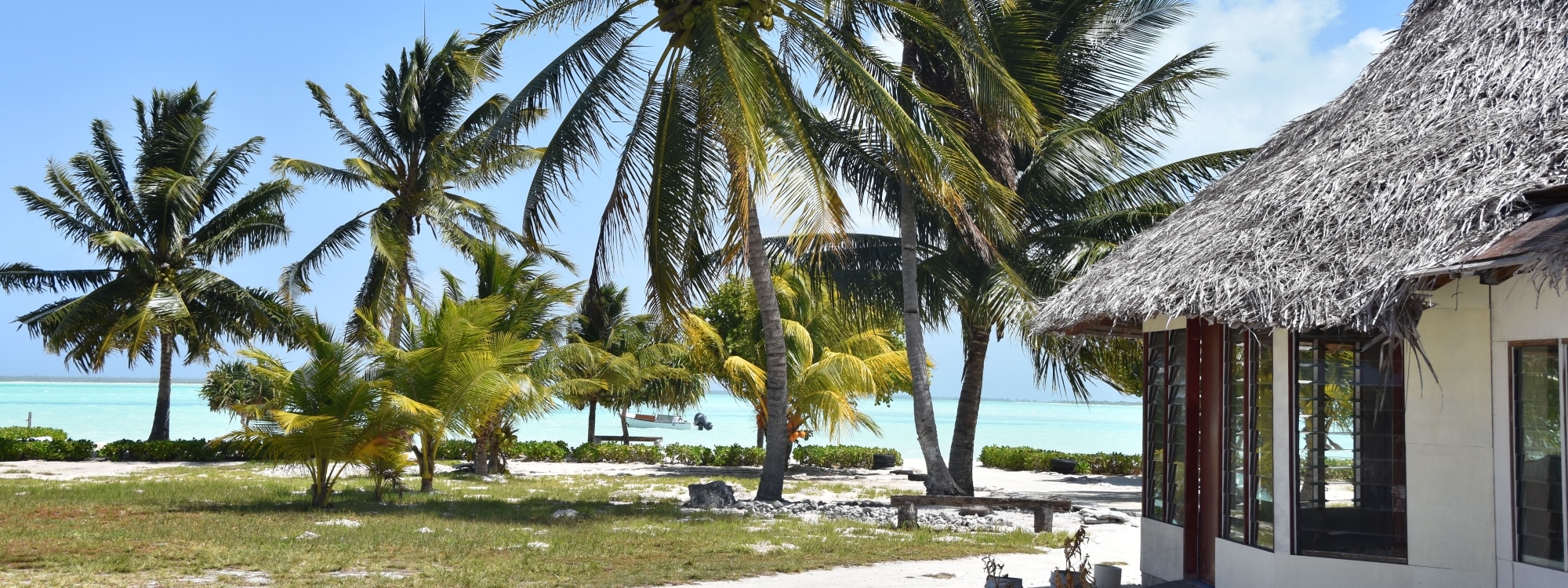
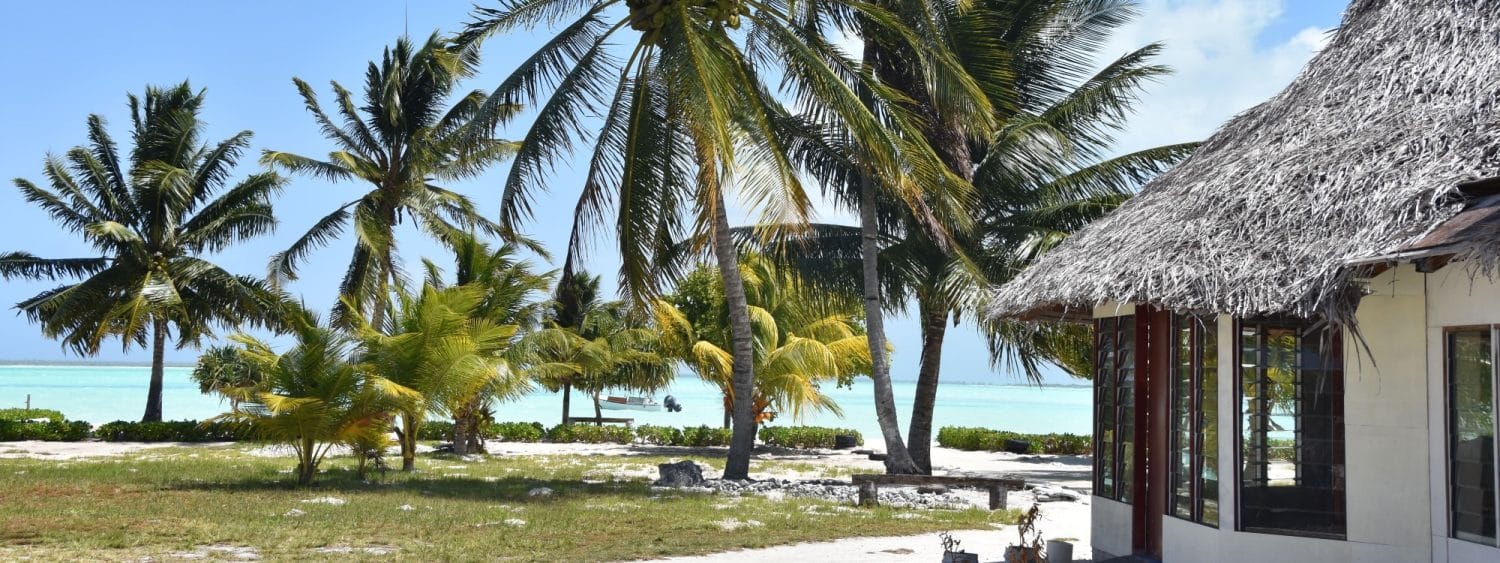
    Our partner, Kiribati Uniting Church, is working for safe and healthy communities throughout the country. It is building the capacity of communities across the mainland and outer islands in gender equality, climate resilience and safe and healthy relationships. 

    Donate now

    Climate resilience

    Kiribati is one of the most vulnerable nations in the world to the impacts of climate change and rising ocean levels.

    Climate and disaster resilience is being developed through the establishment of a Climate Desk within the church to coordinate activities, which include training for resilient household farms and improved water supplies. 

    “My message to the world has been the same for more than a decade: please help Kiribati and the Pacific. Our islands are disappearing and we don’t know when we will lose our homes. Abundant life for my people would be a safe and secure future for the next generations.”

    Rev Maleta Tenten, Secretary for Mission, Kiribati Uniting Church

    Equal dignity

    Gender Equality is being promoted through theological messaging that shows that God’s vision of human relationships is built on equal dignity, not power over one another. Activities include development of resources for healthy marriages and child-rearing, and awareness and education to reduce domestic violence. 

    An important part of the project is safeguarding and inclusion to make it easy for all to participate, including women and girls, people and children with a disability and other vulnerable groups. 

    The church itself is being supported with ongoing institutional strengthening, including staff capacity building and policy development, to ensure it is able to serve its communities and the nation as a trusted and influential organisation.

    Impact of a Gender Equality Workshop:

    … a man said he came in with a ‘Kiribati mindset’ on gender roles, saying it was a women’s role to walk through the mangroves and fetch the water. But now, he knows that these are the responsibility of both men and women. “We have to work together, side by side for the fullness of life in our community.”

    Our partner

    Kiribati Uniting Church (KUC) has its roots in missionary work dating from 1857, with pastors coming from Hawai’i, Samoa and the London Missionary Society. Local pastors took over the work after World War II, with the Gilbert Island (later Kiribati) Protestant Church formed in 1968. The Kiribati Uniting Church was formed in 2014 as several other denominational families were integrated.

    KUC is a member of Kiribati National Council of Churches, the Pacific Conference of Churches and the World Council of Churches.

    Stories from our partners

    These are the stories behind the work.

    New devotional series for 16 Days of Activism Against Gender-Based Violence

    UnitingWorld is thrilled to announce the launch of a new devotional series developed by Pacific church and faith leaders in collaboration with UnitingWorld: 16 Days of Devotions: A devotional series for use during the 16 Days of Activism Against Gender-Based Violence.

    Read more

    Deepening our impact on gender justice

    It’s the ten-year anniversary of the Gender Equality Theology resources, which ignited a collaborative movement across the Pacific Church. That movement has been working to reshape how families and intimate partners across the region share power, partnership and faith ever since.

    Read more

    New insights for family harmony on the climate frontlines

    Workshops conducted by our church partner, Kiribati United Church, help isolated communities to tackle both climate and gender issues. During one workshop, in Golden Beach, we heard that the community is struggling with a lack of clean water. They do not have a well and rainfall is infrequent so rainwater collection is not effective either. […]

    Read more

    Pacific Partners gather in Fiji to share knowledge, strengthen solidarity

    20–24 April 2026 | Nadi, Fiji Church and community partners from across the Pacific came together in Nadi, Fiji this week for UnitingWorld’s Pacific Regional Forum 2026, a week of listening, learning and renewing commitment to shared mission. Participants joined from Fiji, Papua New Guinea, Tonga, Vanuatu, Solomon Islands, Tuvalu, Kiribati and Samoa, alongside UnitingWorld […]

    Read more

    Support our work

    Donate now to support our work promoting gender equality and climate resilience in Kiribati.

    July 29, 2026
  • Pacific Partners gather in Fiji to share knowledge, strengthen solidarity

    Pacific Partners gather in Fiji to share knowledge, strengthen solidarity

    20–24 April 2026 | Nadi, Fiji

    Church and community partners from across the Pacific came together in Nadi, Fiji this week for UnitingWorld’s Pacific Regional Forum 2026, a week of listening, learning and renewing commitment to shared mission.

    Participants joined from Fiji, Papua New Guinea, Tonga, Vanuatu, Solomon Islands, Tuvalu, Kiribati and Samoa, alongside UnitingWorld staff, and representatives from the Pacific Conference of Churches and Pasifika Communities University.

    Confronting the climate crisis together

    The forum brought into sharp focus the devastating human and environmental toll of climate change across the region. With tears and honesty, participants shared the lived reality of rising seas and saltwater intrusion across low-lying atoll nations like Tuvalu and Kiribati, where the threat is not distant but existential.

    “The rising seawater is contaminating water sources, degrading agricultural land, and deepening uncertainty for families in Kiribati,” said Uniting Church in Kiribati Secretary for Mission, Rev Maleta Tenten.

    “We are now forced to import most of our food, because it is so hard to grow in our soil now. The heath impacts are a crisis. Our islands are disappearing. We urgently need to work together to save Kiribati.”

    A community visit brought these realities home. Forum participants travelled to an inland village that had been forced to relocate after deadly landslides destroyed their homes and buried a family alive. It was a sobering, powerful reminder of why disaster risk reduction and community preparedness are central to the church’s work in the Pacific.

    Hope, action and equitable leadership

    Alongside these difficult stories, participants heard powerful accounts of hope,  churches across the region working together to transform lives and communities. Forum sessions also explored how gender-equitable leadership and participation are essential to building communities that are resilient, prepared and sustainable.

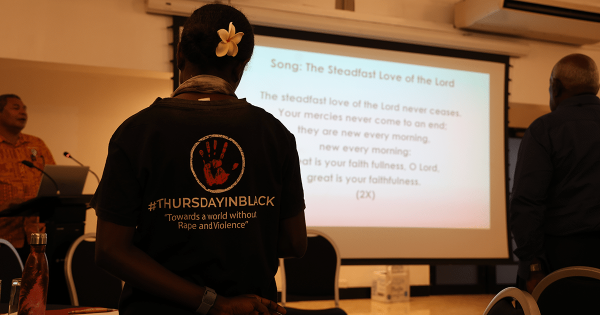
    In solidarity with these commitments, forum participants marked Thursdays in Black, the global campaign standing with victims and survivors of gender-based violence, and challenging the cultures of silence that allow it to continue.


    “UnitingWorld’s Pacific partnerships are built on relationships of mutuality, respect, and shared vision. This forum is one expression of that, a space where Pacific church partners lead, share and strengthen the work they are already doing in their communities, and that we are blessed to support.”

    Dr Sureka Goringe, UnitingWorld National Director

    admin

    April 28, 2026
    Fiji Resilient, Inclusive and Safe Churches and Communities, Kiribati Gender Equality and Climate Resilience, News, Solomon Islands Gender Equality and Climate Resilience
  • New project takes root in former tea plantation in India

    New project takes root in former tea plantation in India

    UnitingWorld is partnering with the Church of North India – Diocese of Eastern Himalaya to support a tea plantation community in India’s Darjeeling region. A community of 190 people are still recovering from a plantation closure that stripped them of income, housing and food security overnight.

    With few transferable skills and increasingly severe climate impacts, including heavy rains, landslides and soil erosion, families have struggled to rebuild their livelihoods.

    Senior Project Officer Rose Donovan recently facilitated a four-day consultation and planning workshop with Diocese staff and community members to design a project to help people adapt to the changing climate and find alternative incomes.

    “The community took us on a very intimate walk, showing us how they grow their food, their water sources and the landslides scattered throughout the area, and welcoming us into their homes. They shared their goals and dreams fortheir community, each family longing to shape their own future.”

    The Diocese has already employed a local woman as field officer. She had been planning to migrate more than three hours away in search of work, but can now stay and serve her own community.

    Over the next three years, our partners will be helping families through climate resilient farming, improved livestock management and access to markets, as well as vocational training and career guidance for young people. They will also be working with the entire community on a disaster preparedness plan, including building awareness on drainage issues, good land management and how to reduce landslide risks.

    Diocese Program Manager Sanjay Khaling said, “the community is enthusiastic about working together, and while it is a huge learning process,they are ready to get started.”

    Mirela

    March 26, 2026
    Eastern Himalaya Climate Resilience and Community Development, News
  • Reaching the forgotten in West Papua

    Reaching the forgotten in West Papua

    Along the far north coast of West Papua, Indonesia, people are facing an intensifying struggle to survive on lands and seas that have sustained them for generations.

    “Life is hard here and getting harder. Governments make promises about this area but then nothing happens. It feels like we’ve been forgotten.”

    Travelling to the remote Tambrauw region in the far north of West Papua, it’s a sentiment you hear often. It’s not just poverty or the lack of services, it’s the sense of being left behind as the world changes around them.
    In 2011, more than 70% of Tambrauw was declared a conservation zone, the highest form of environmental protection in Indonesia. The designation was a hard-won victory for Indigenous leaders resisting corporate mining and logging interests. But while most of the forests became protected on paper, the people were not. Development stalled. Poverty deepened. Climate impacts worsened.

    “The lack of economic opportunities is the main challenge here,” says Wehermos, a villager who was part of a community consultation carried out by our church partner, the Evangelical Christian Church in the Land of Papua (GKI-TP). The problem with that, he explains, is when a crisis hits a family—a sick child or a garden washed away by floods—they don’t have money to pay for the long trip to a hospital, or to even cover the cost of food when their crops get wiped out.

    The situation has created a paradox trapping the people: either protect the nature they depend on or exploit it to survive in the short term; clearing forests, overfishing or selling their land to foreign developers.

    In April, GKI-TP and UnitingWorld staff hosted an extensive community consultation and climate analysis to identify the drivers of poverty for men, women and children, and the ways human development can be done sustainably.

    “We want to help people make a living and have long-term food security without destroying the forests. If our approach works here, we can use it as a model to adapt for communities across Papua,” says Donaltus Rumbesu, GKI-TP Program Manager.

    Our partners already making change

    GKI-TP is one of the largest and most trusted institutions in West Papua. It’s filled with inspiring leaders who are fighting to improve the lives of people across their communities as well as protect the natural environment they depend on. But they need help, and we in Australia can play a powerful role.

    “It used to be all mangrove forests and coral along here. But people cut down the mangrove trees and sold the coral to the tourist shops so they could build their houses.” – Rev Oto

    In a village where sea levels are rising and fish are disappearing, Rev Oto and his congregation are learning a hard truth: when you destroy the environment, you put your future at risk.

    Most homes now sit on stilts to escape the encroaching sea. And the cost is becoming clear.

    “The king tides are getting higher. The mangroves used to be a fence that softened the waves, and now it floods badly. During typhoons, even when they’re far offshore, no one sleeps.  It feels completely exposed, like we’ll be swept away.”

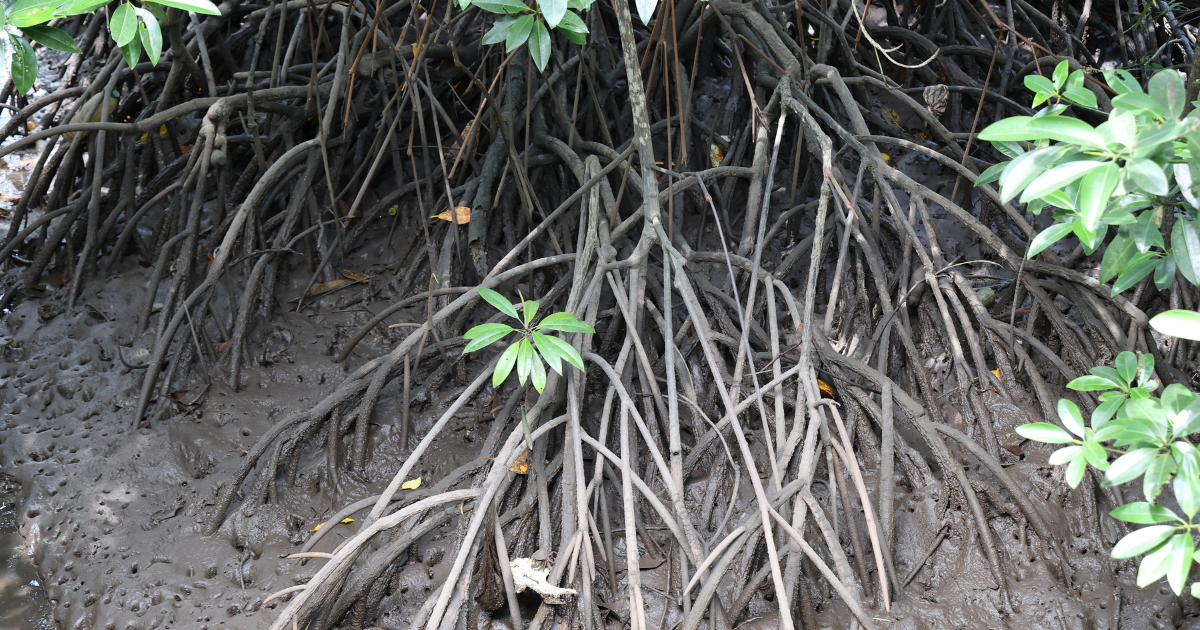
    Mangroves are also habitats and breeding grounds for many of the local fish populations. Destroying them has meant fishing families have to go much further and the daily catch is getting harder.

    So Rev Oto is working to restore the mangroves, even knowing it will take years. As well as overseeing hundreds of seedlings being planted, he’s found strong support from his church, GKI-TP. Their statement of faith commits the church to caring for the environment to ensure the flourishing of future generations, giving him confidence to speak boldly.

    “I tell people it took just a few years to destroy the mangroves and coral. It will take 30 years to bring them back… but only if we start today.”

    Spreading hope

    In a region of West Papua battling poverty, malnutrition, gender-based violence and climate extremes, Rev Monim spreads hope wherever she can.

    Rev Monim’s story begins with deep loss. In 2010, she was away at a church training when torrential rain triggered a landslide. The blocked river overflowed, flooding the town where her two children were staying with friends. They tried to reach higher ground, but as they ran, the riverbank and part of the mountainside gave way. Days later, her son was found alive, buried under metres of debris, cut, broken and stripped by the force of the water. Her daughter was never found. The disaster killed 145 people, left thousands injured and homeless, and destroyed the entire town.

    Today, Rev Monim leads a humble but vibrant church in the remote Tambrauw region. Her faith, rooted in grief and resilience, is now deeply connected to protecting life, both human and ecological.

    Rev Monim, Tambrauw

    In the coming months, we’ll share more from West Papua, where our partners are rolling out nature-based solutions to poverty and climate challenges.

    Together, we’re helping communities grow food, earn income and protect the environment they rely on.

    “This region really needs help. People want to look after the forests, but life is hard and so many live in poverty. The quickest way for people to make money is to cut down the trees or sell their land.”

    Mirela

    July 21, 2025
    Campaigns, News, West Papua Livelihoods & Forest Conservation
  • Hope after the storm: Rebuilding lives in Tonga

    Hope after the storm: Rebuilding lives in Tonga

    In January 2022, the Pacific Island nation of Tonga faced one of its most devastating natural disasters—the eruption of the Hunga Tonga-Hunga Ha’apai volcano. The eruption unleashed massive tsunamis and volcanic ash, destroying homes, crops and livelihoods across the country.

    Entire communities were left reeling from the destruction, but for many women and girls, the disaster was particularly challenging as they shouldered the responsibility of caring for their families amidst the chaos.

    Taisia Heiumuli, a senior pastor with the Free Wesleyan Church of Tonga (FWCT), played a key role in the recovery efforts that followed. “Women and girls were deeply affected,” Taisia explains. “Many of them were responsible for finding safe places for their children while their husbands were away, leaving them to bear the emotional and physical toll.”

    When Taisia led a project in partnership with UnitingWorld and the Australian Humanitarian Partnership (AHP), aimed at addressing both the psychological trauma and providing practical tools for recovery, she made sure that the specific needs of women were given equal priority.

    The project had two main components. The first was psychological support, aimed at helping people traumatised by the disaster. “The wounds were deep, especially for women and children,” says Taisia. “Through counselling and support, we aimed to heal those wounds and create a space where people could share their struggles and rebuild together.”

    The second component focused on rebuilding the livelihoods of families. People were provided with tools like sewing machines, cooking stoves, gardening equipment and fishing gear—resources that allowed people to regain a sense of autonomy and contribute economically to their families. Taisia emphasises the long-term empowerment the project aimed to foster:

    “We didn’t want to just give people fish; we wanted to give them tools to go get their own!”

    This community-wide effort ensured that everyone was able to rebuild. Women learned new skills and shared them within the community, creating a powerful network of support. “One woman was able to sew children’s clothes for a ‘White Sunday’ celebration, earning $800 from her work,” Taisia proudly shares.

    Another inspiring story to come from the project was that of Michelle, a young woman from another denomination whose business was destroyed by the waves. With the help of the project, she received new equipment and was able to rebuild her business. “She cried when she shared how blessed she felt,” Taisia recalls. “This project wasn’t for members of the Free Wesleyan Church—it was for the entire community, and we’ve been blessed to be able to support so many people.”


    Part of this program includes working ecumenically through the Church Agencies Network-Disaster Operations consortium (CAN-DO) funded by the Australian Government as part of the Australian Humanitarian Partnership (AHP).


    admin

    February 13, 2025
    Campaigns, Emergency Relief
    Lent Event, Tonga
  • Methodist Church in Fiji adopts groundbreaking disability and disaster management policies

    Methodist Church in Fiji adopts groundbreaking disability and disaster management policies

    The Methodist Church in Fiji (MCIF) has adopted policies to ensure church-wide approaches to inclusion of all people with disabilities, and to build the capacity of the church to prepare for and respond to disasters. 
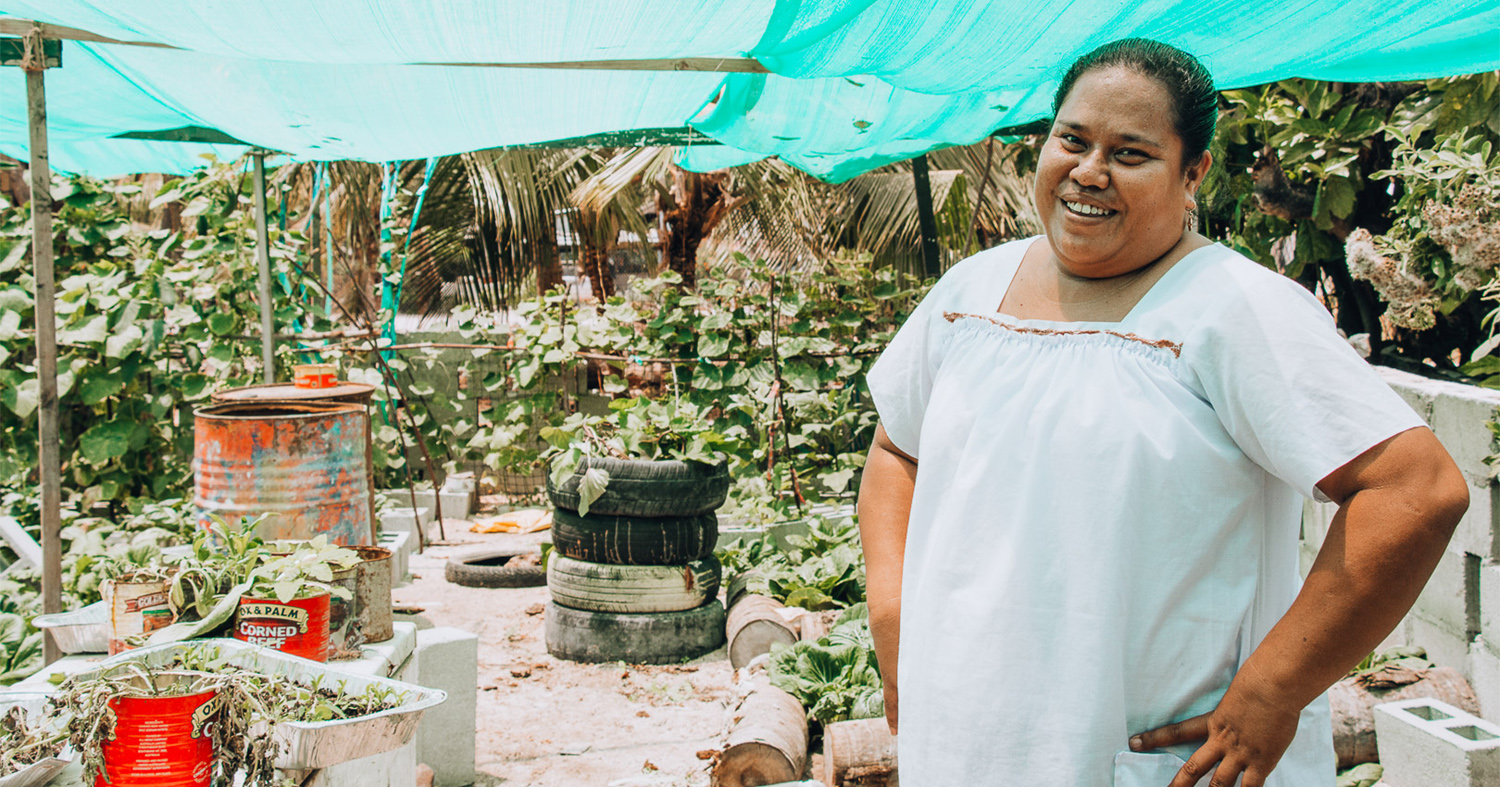
    The first of their kind, the MCIF Disaster Risk Management Policy and MCIF Disability Inclusion Policy were adopted at the MCIF Conference in Suva this week.

    Disaster Risk Management

    The Disaster Risk Management policy will save lives, says MCIF President Rev Dr Semisi Turagavou:

    “The adoption of the Disaster Risk Management policy is a critical step-in saving lives, alleviating suffering and minimising losses. Disaster risk management must be embraced at all levels from the families, churches, circuits, divisions and at national levels.”

    As the country’s biggest church, MCIF is uniquely placed to complement the work of the Fiji Government and Fiji Red Cross to reach out across the country to help people prepare for disasters, and also provide practical assistance to people living in the most remote areas during and after cyclones and other events like floods and landslides.

    As part of the new policy, all new buildings constructed by the MCIF must be engineer-certified to withstand Category 5 cyclones, so they can protect people who seek shelter there. Cyclone resistant crops should be planted to ensure consistent supply of food is available during disasters. Each family will be encouraged to have their own disaster and evacuation plan, so that all members share the same understanding of critical stages of evacuation as well as safe evacuation routes.
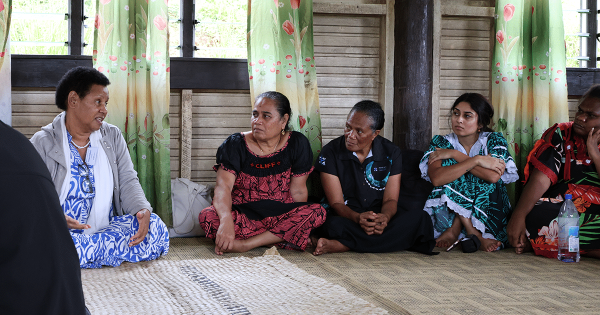
    The inclusion of persons with disabilities and other vulnerable groups such as children, pregnant mothers and the elderly in disaster and evacuation planning must be encouraged, and local wisdom from elders will be sought, particularly on traditional food preservation during power outages.

    Disability Inclusion

    While reporting on the number of people with disabilities is mandatory for all church and circuit meetings, most churches do not currently have ramps or specific spaces for wheelchair users. After surveying church leaders’ knowledge, attitudes and practices about disability, the results confirmed that there is low consideration of the needs of people with disabilities among MCIF Leaders at Divisional level. Change was needed in the approach of the entire church.

    The Disability Inclusion policy will bless the whole church, says Rev Dr Turagavou:

    “The church [has] recognised that a person with disability is like all humans… created as an image of God and not a matter of choice, but created by God to show his power and unequivocal love (John 9: 2-4). The Church as the God’s family on earth must therefore embrace ALL persons with disabilities and advocate for their care and equal treatment (Leviticus 19:14).

    Persons with disabilities possess valuable gifts and talents which our Lord had blessed them with which can be valuable assets in our quest to save the souls of every Fijians.  In that context we must, embrace and include them in all aspects of our service and program delivery.”
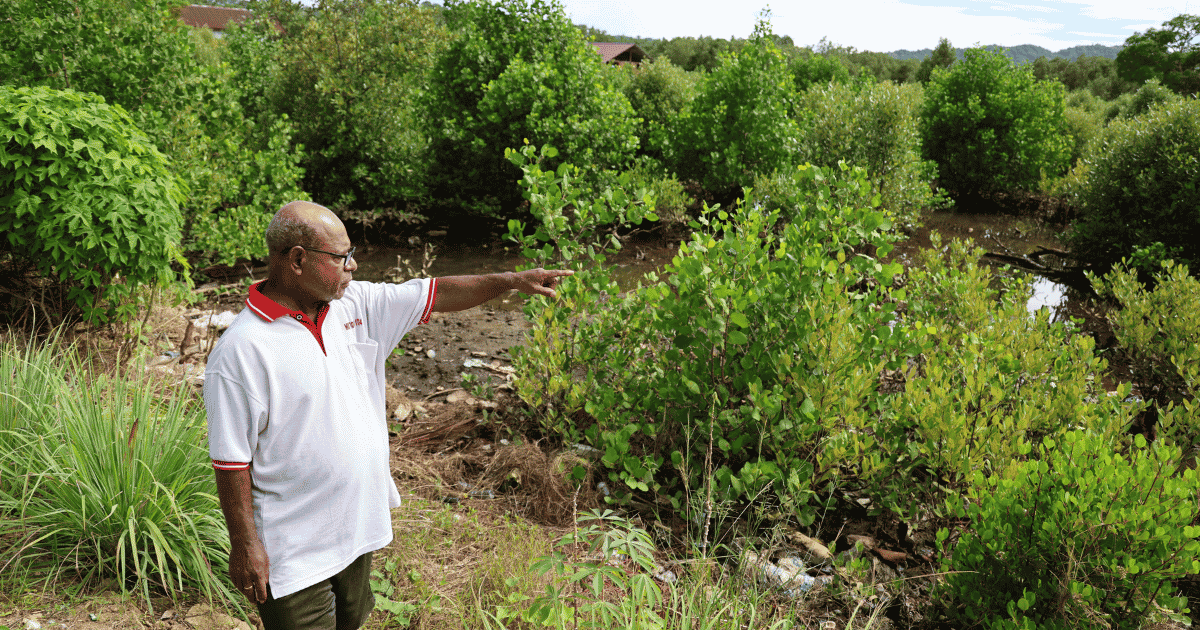
    The objectives of the MCIF Disability Inclusion Policy are:

    1. Enable the inclusion of ALL persons with disabilities in all aspects of the Church, institutions, and functions.
    2. Provide accessible church infrastructure that will enable ALL persons with disabilities to attend freely.
    3. Embrace persons with disabilities in facilitation of services to meet their specific needs and demands during normal times and during calamities.

    Both policies were developed with input from church members with expertise in each area, as well as government and other civil society representatives.


    UnitingWorld has supported this work through the Resilient, Inclusive and Safe Churches and Communities project, which was endorsed by the MCIF 2023 Conference. The project supports the MCIF to develop and roll out policies and practices that support the inclusion of people with disabilities, safety and wellbeing of women and children, and disaster resilience in the face of climate change. The project builds on the theological resources on gender equality, child protection and disaster resilience that UnitingWorld has supported Pasifika theologians to develop over the last decade.

    UnitingWorld Program Manager Stephanie Dalton with MCIF church members and civil society representatives who crafted the design of the ‘Resilient, Inclusive and Safe Churches and Communities’ project


    Pictured in header: Uniting Church in Australia President, Rev Charissa Suli, MCIF President Rev Dr Semisi Turagavou, and UnitingWorld National Director Dr Sureka Goringe at the MCIF Conference in Suva.

    This project is supported by the Australian Government through the Australian NGO Cooperation Program (ANCP). Thanks to ANCP, we’re making a huge difference together.

    admin

    August 27, 2024
    Fiji Resilient, Inclusive and Safe Churches and Communities, News
←
1 2

UnitingWorld is the international aid and partnerships agency of the Uniting Church in Australia.

1800 998 122
Donate
  • About
  • Annual reports
  • FAQ
  • Contact us
  • Make a complaint
  • Policies

As a member of ACFID, UnitingWorld is held accountable to the highest standards of governance, financial transparency and effectiveness in our work.

UnitingWorld gratefully acknowledges the support of the Australian Government through the Australian NGO Cooperation Program (ANCP).

We acknowledge the sovereign First Peoples of the lands on which our office is located, the Gadigal People of the Eora Nation.

Privacy Policy

Website by Creative Freedom

© UnitingWorld 2026. ABN 47 817 183 926. Level 3, 262 Pitt Street Sydney NSW 2000

Follow us on:

  • Facebook
  • Instagram
  • Bluesky