Skip to content
Donate now
    • Make a donation
    • Start a fundraiser
    • Gift catalogue
    • Include a gift in your Will
    • Workplace giving
    • Advocacy
      • Clean Water & Nutrition
      • Health & Education
      • Gender Equality
      • Disaster Ready Communities
      • Emergency Relief
      • Pacific
      • Asia
      • Africa
      • Middle East
    • Engage your congregation
    • Request a Speaker
    • Resources
    • Lent Event 2027 (coming soon)
    • Our Approach
    • Our People
    • News & Updates
    • Annual Reports
    • Policies
    • Contact us
Donate
  • Emergency cyclone response in Milne Bay Province, PNG

    Emergency cyclone response in Milne Bay Province, PNG

    Category 5 Tropical Cyclone Maila passed over eastern Papua New Guinea between 6 and 8 April 2026, caused severe destruction across multiple provinces.  On the remote outer islands of Milne Bay Province, wells and gardens that sustain whole communities were damaged. In response, the United Church in Papua New Guinea (UCPNG), supported by the Australian Government through the Australian Humanitarian Partnership (AHP), UnitingWorld and CAN DO*, mobilised to help communities restore access to clean water and rebuild damaged homes.

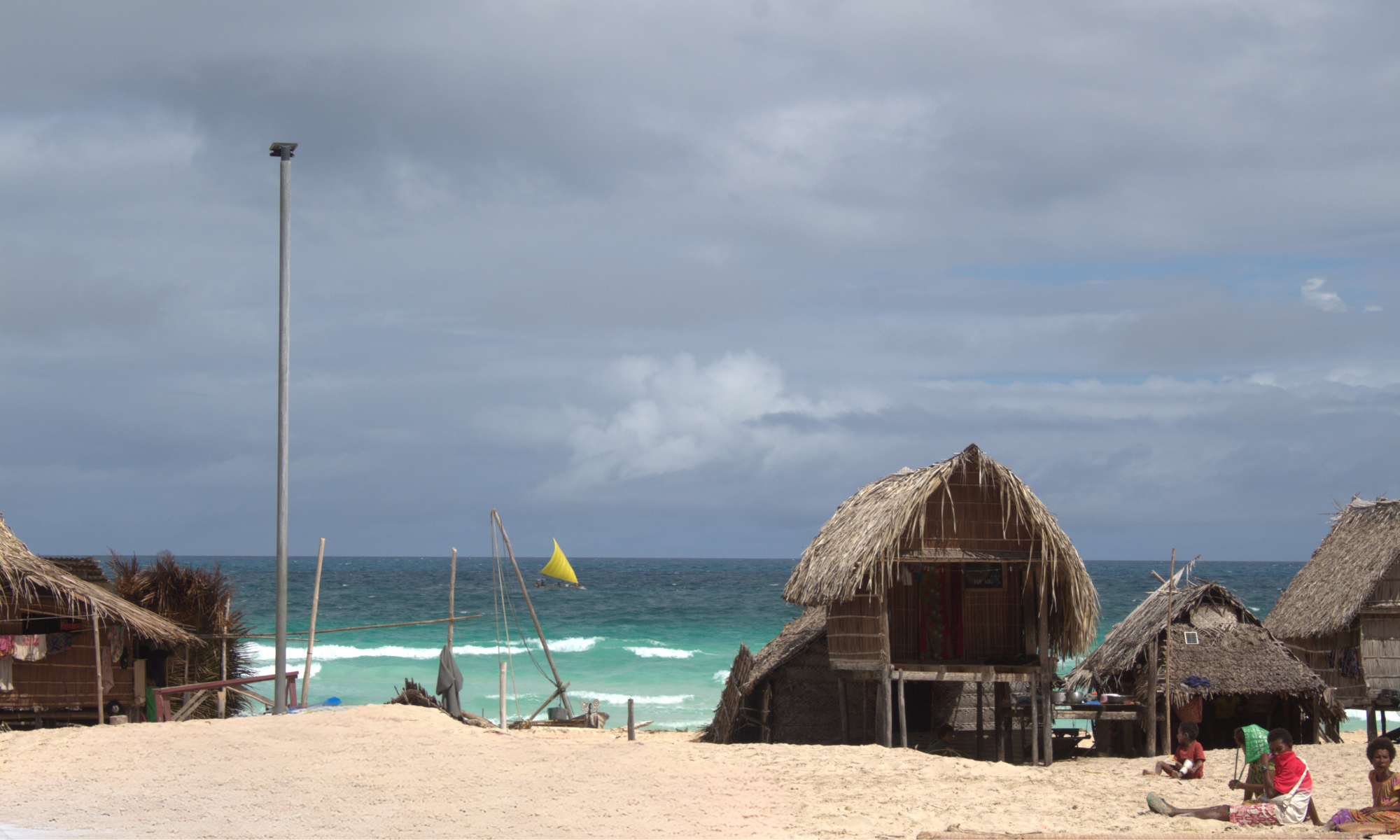
    These islands have no mountains and no gravity-fed water systems. People rely on shallow wells for water and village gardens for food. Maila damaged both.

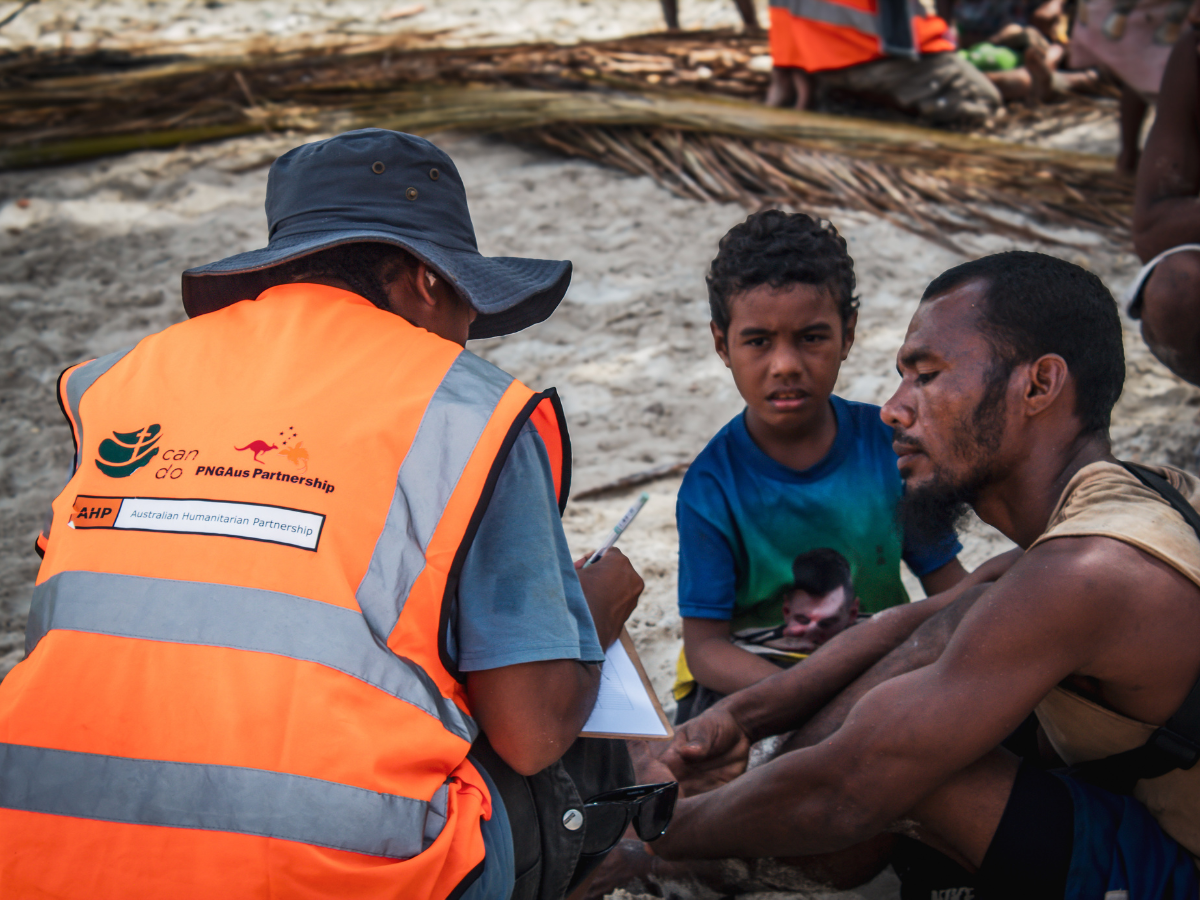
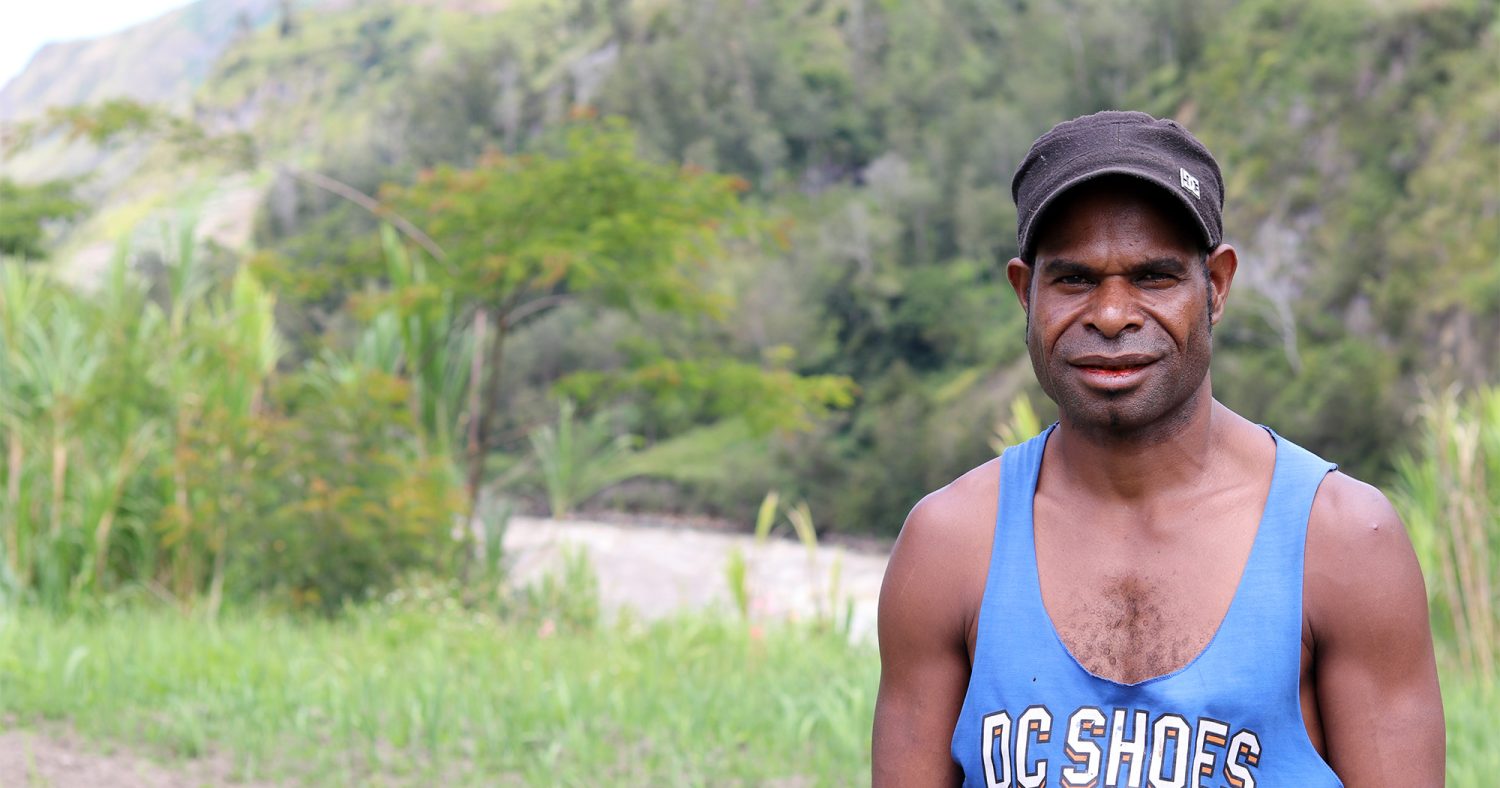
    Stanley Dabalauta lives on Yanaba Island. “During the cyclone, the waves were rising up and the trees were falling down. Our gardens and houses were damaged and our water wells spoiled,” he said. The whole community depends on its gardens, and the cyclone wiped them out. Now people are relying on rainwater and coconut milk. Stanley says increasingly dry conditions are already affecting many households, and the dry season has only just begun.

    “During the cyclone, the waves were rising up and the trees were falling down. Our gardens and houses were damaged and our water wells spoiled.”

    Stanley Dabalauta, resident in Yanaba island

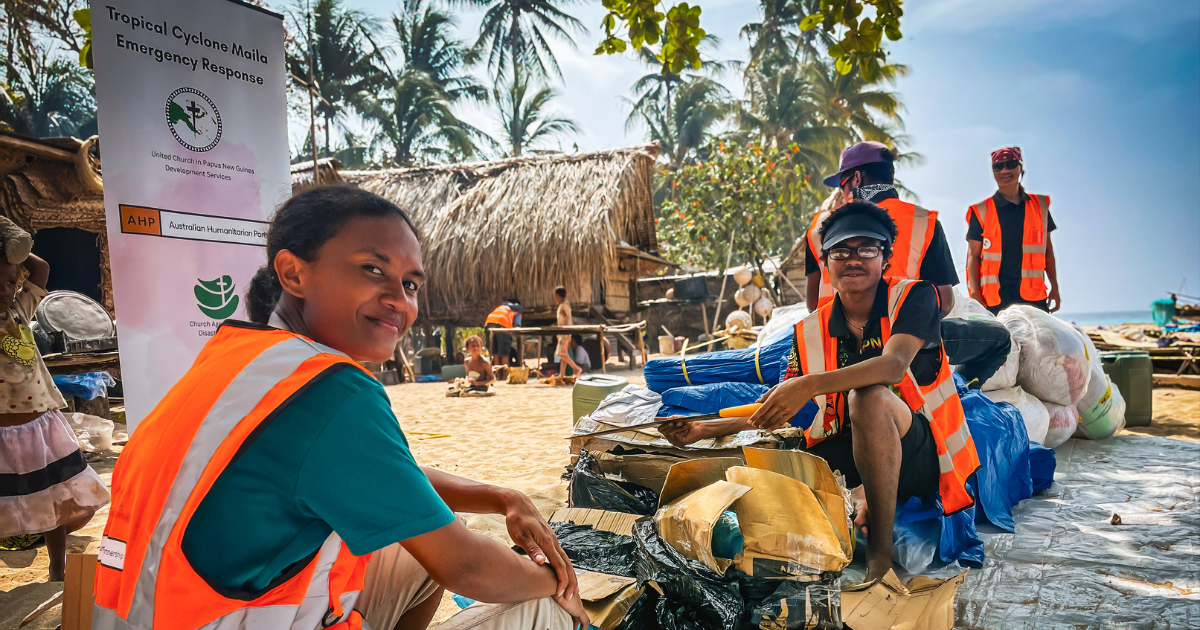
    On Egom Island, Rev Gideon has been pastor for 14 years. He watched the cyclone blow the roof off his church. Wind and salt water destroyed the community’s tapioca crop, and wind carried soil and debris across the island and into most of its wells. Gideon says the fresh water in the ground turned salty. “We are now surviving only by eating coconuts and fish each day,” he said. People are walking further for coconuts and travelling to neighbouring communities to ask for bananas.

    Housing was also severely impacted. Across two of the communities visited, homes had collapsed and many others were damaged so badly they were uninhabitable. Families relied on support from neighbours and extended family while beginning the recovery process.

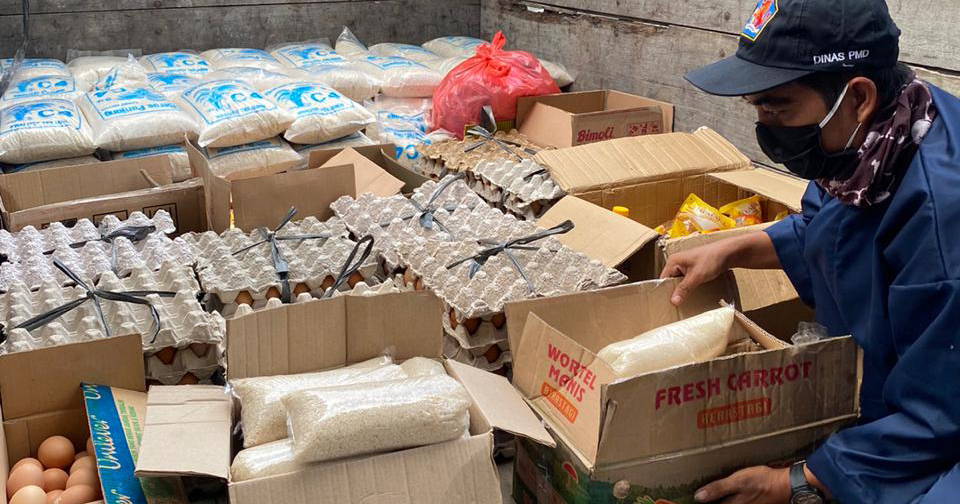
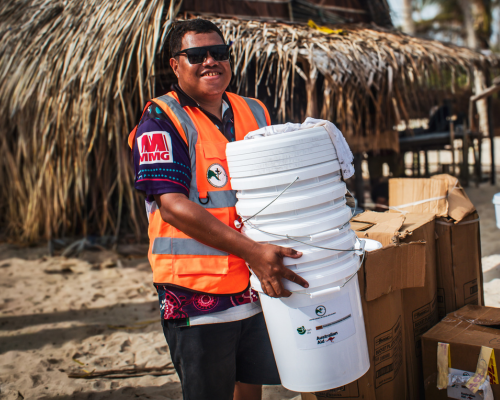
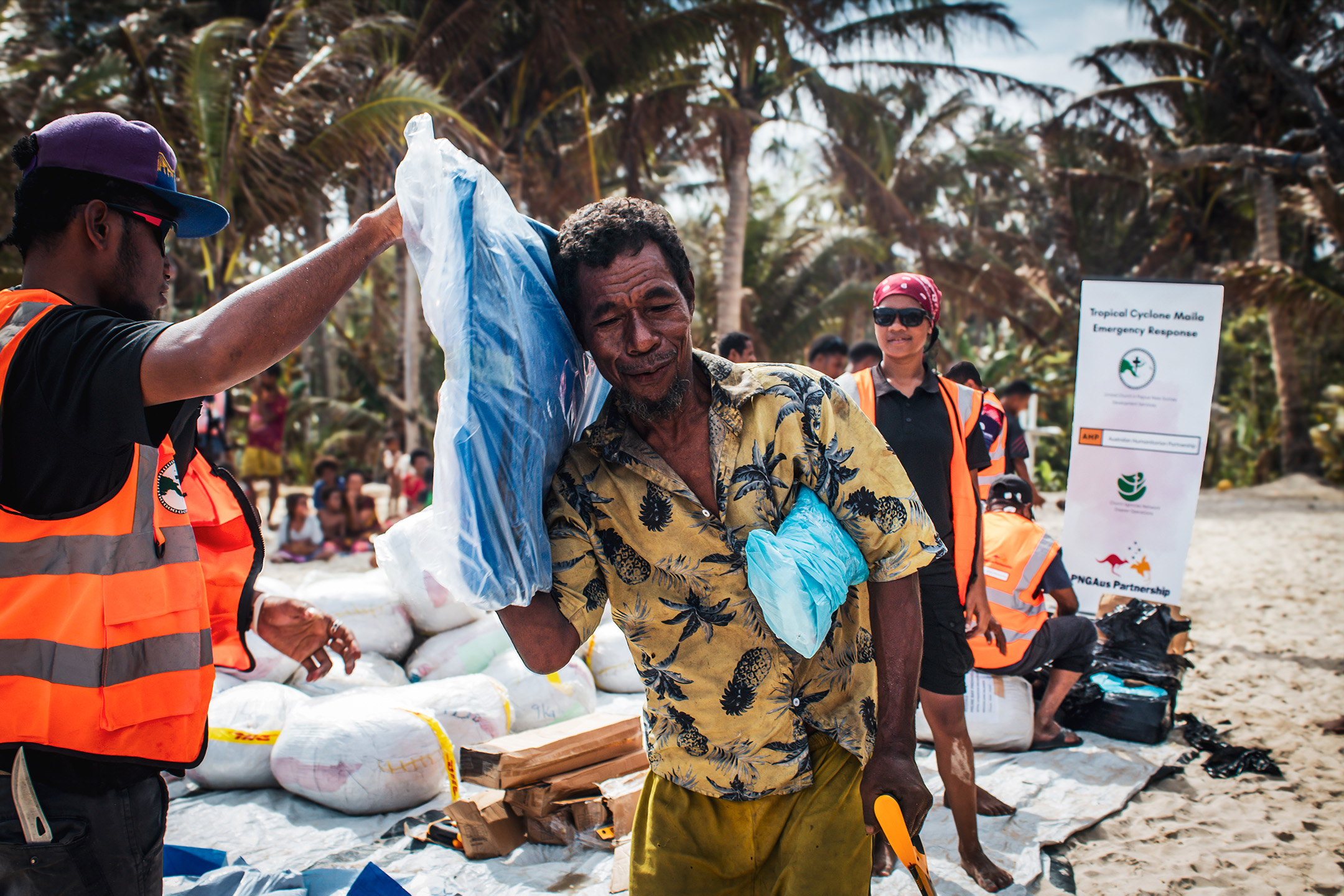
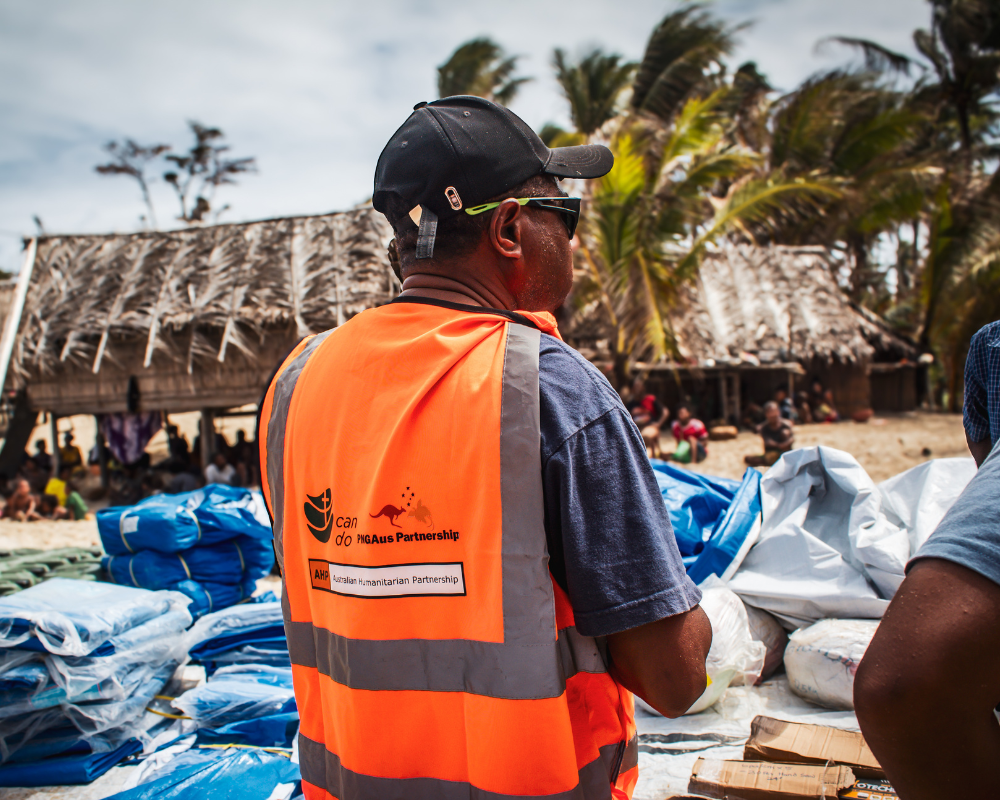
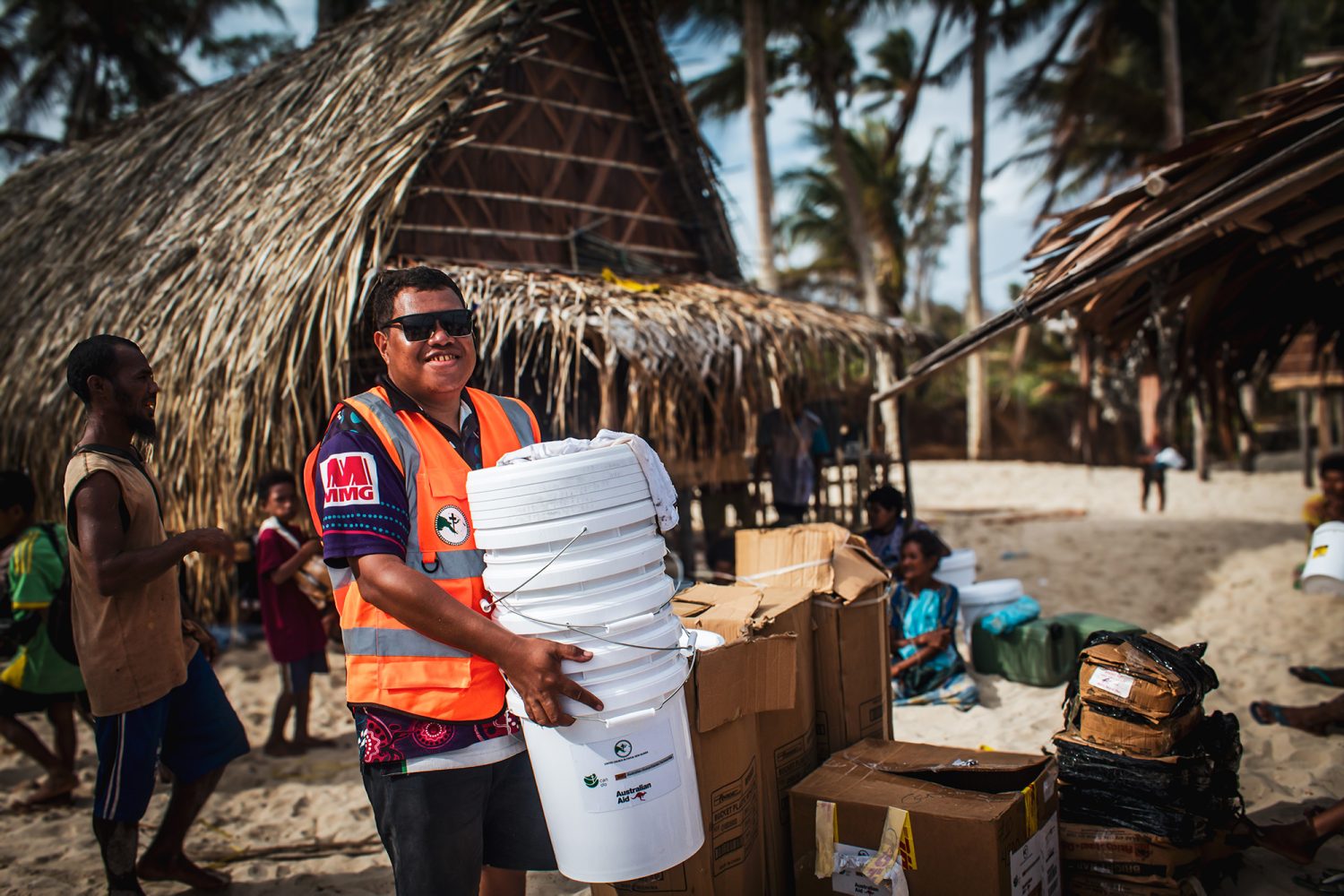
    Drawing on its longstanding presence, trusted relationships and community networks across Milne Bay, UCPNG delivered portable water filters, tarpaulins and rebuilding kits, comprising of nails, saws, hammers and bush knives, to nine communities across the Kiriwina and Bwanabwana local-level governments. The response reached 1,619 households with water filters and the materials needed to repair and rebuild damaged homes, helping families restore access to safe water and begin their recovery.
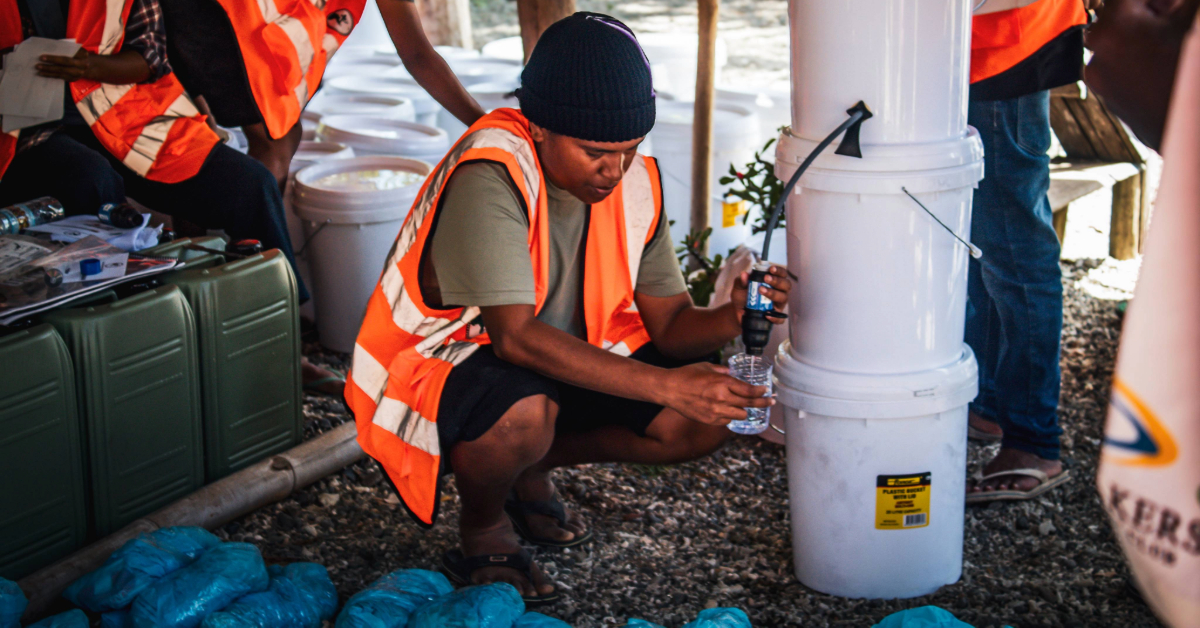
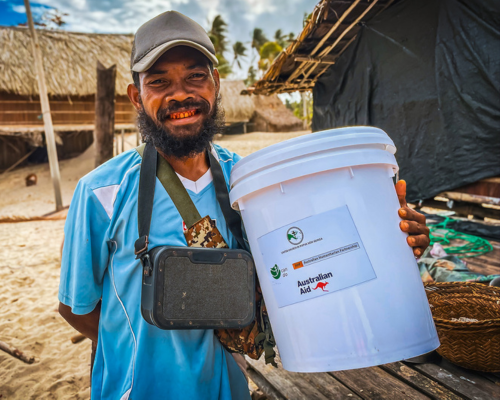
    The choice of filters was deliberate. Clement Nusama, from UCPNG’s emergency response team, says wells on these islands are shallow and easily ruined by floodwaters and salt, and water tanks rely on rain that is scarce in the dry season. Filter buckets are a more sustainable option because they do not depend on a protected water source, and each community received water safety training to support the safe use and maintenance of the filters.

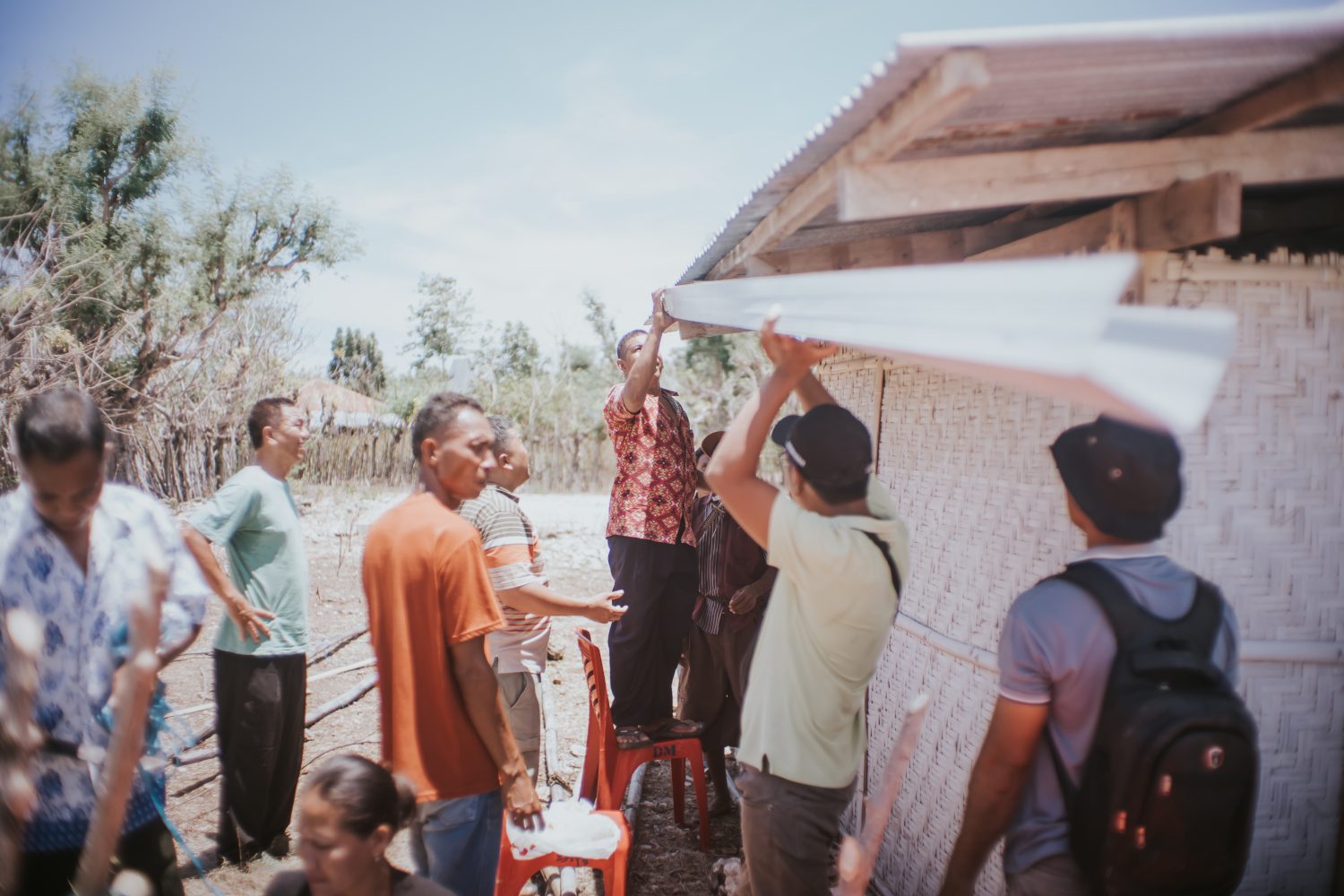
    The shelter response was equally focused on long-term recovery. Alongside emergency water assistance, the response provided tools and materials that would help families repair and rebuild their homes themselves. “People really need these tools to rebuild because we are so exposed right now,” Stanley said.

    Before UCPNG arrived, one woman whose house had been destroyed was unable to begin repairs. With the tools provided through the response, her family was able to begin rebuilding. Community members spoke about sharing resources and working together to rebuild, and about what the buckets and water filters mean in the drought season: clean water for drinking and cooking once again.

    Communities are also driving their own recovery. For example, on Egom, the ward councillor and several community members caught coconut crabs and took them to Alotau town to sell. A buyer bought the whole lot at a good price, and the income was used to buy food in bulk for the island. Replanting is difficult while the drought continues, the councillor told her.

    One of the reasons the Australian Humanitarian Partnership works is because Partners are often working in communities where they are already known and trusted. And under the TC Maila response, UCPNG did not arrive into communities as strangers. Through Phase 1 of Disaster READY, the same AHP program that channels support through CAN DO, the church had already run disaster preparedness training and a Theology of Disaster Resilience in a Changing Climate (TDRCC) workshop in the region. TC Maila demonstrated how investments in preparedness can strengthen emergency response. Volunteers trained before the disaster were able to support distributions and community engagement when the cyclone struck, distributing water filters and rebuilding kits to their own neighbours.

    Tojo Imatana, a member of UCPNG’s Milne Bay Disaster Response Team, says the church network is what gets help to the outer islands.

    “When we arrive under our own church’s umbrella, people are excited and willing to work with us. They feel they haven’t been left out, that the church still thinks of them in times like these.”

    Tojo Imatana, a member of UCPNG’s Milne Bay Disaster Response Team
    Preparing for the next disaster 

    With El Niño-driven dry conditions forecast for the months ahead, communities now face an additional challenge alongside the cyclone’s impacts. “We’re working to ensure people impacted by the cyclone can settle back to their normal lives in their own homes, but more than that, that they are better prepared for the next disaster, with sustainable clean water and greater awareness,” says Clement.

    Rev Gideon says this is the second time UCPNG has come to help his community. “We’re very grateful for these things because we don’t have them here,” he says. “The dry season is long and hard and the cyclone really affected us.” His message to supporters in Australia is simple: “Thank you very much for your support and kindness to us.”

    *The Church Agencies Network Disaster Operations (CAN DO) is a consortium of nine Australian aid agencies formed to better coordinate and strengthen their global humanitarian disaster response, risk reduction and resilience building work. CAN DO is supported by the Australian Government’s Department of Foreign Affairs and Trade (DFAT) through the Australian Humanitarian Partnership (AHP).

    UnitingWorld was the lead CAN DO agency in the Cyclone Maila response in Papua New Guinea, supporting our church partner, the United Church in Papua New Guinea to implement.

    📷 Photography and field reporting by Leila Parina (UCPNG / Pacific Conference of Churches) for UnitingWorld.
    Mirela

    November 16, 2026
    Emergency Relief, News, PNG Cyclone Maila Response
  • Village Health and Climate Resilience, West Timor (NTT)

    Village Health and Climate Resilience, West Timor (NTT)

    Village Health and Climate Resilience, West Timor (NTT)

    In the villages of Alor and Rote in eastern Indonesia, many mothers go without enough nutritious food, and East Nusa Tenggara has some of the highest rates of child stunting in the country. Coastlines are eroding and farmland is drying out, so keeping children well gets harder every year.

    Donate now

    Healthy mothers, strong children.

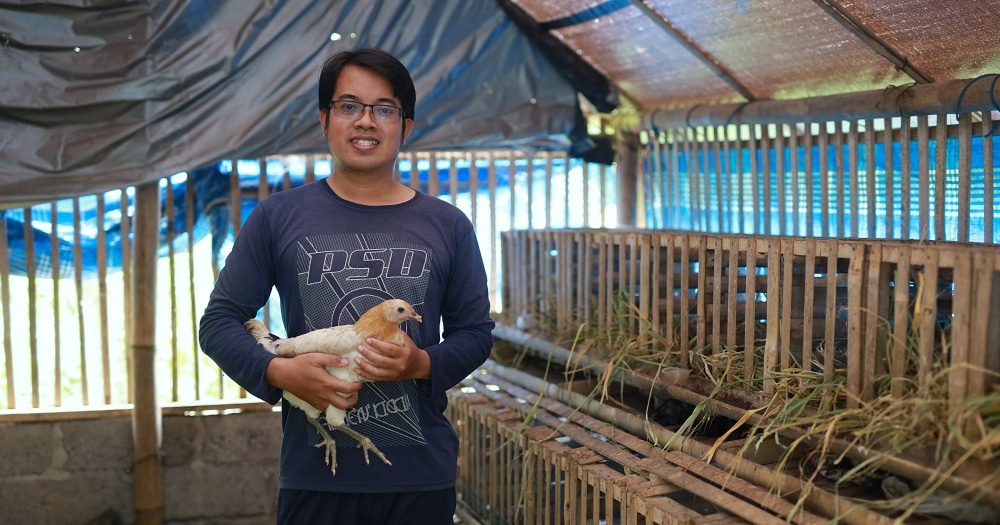
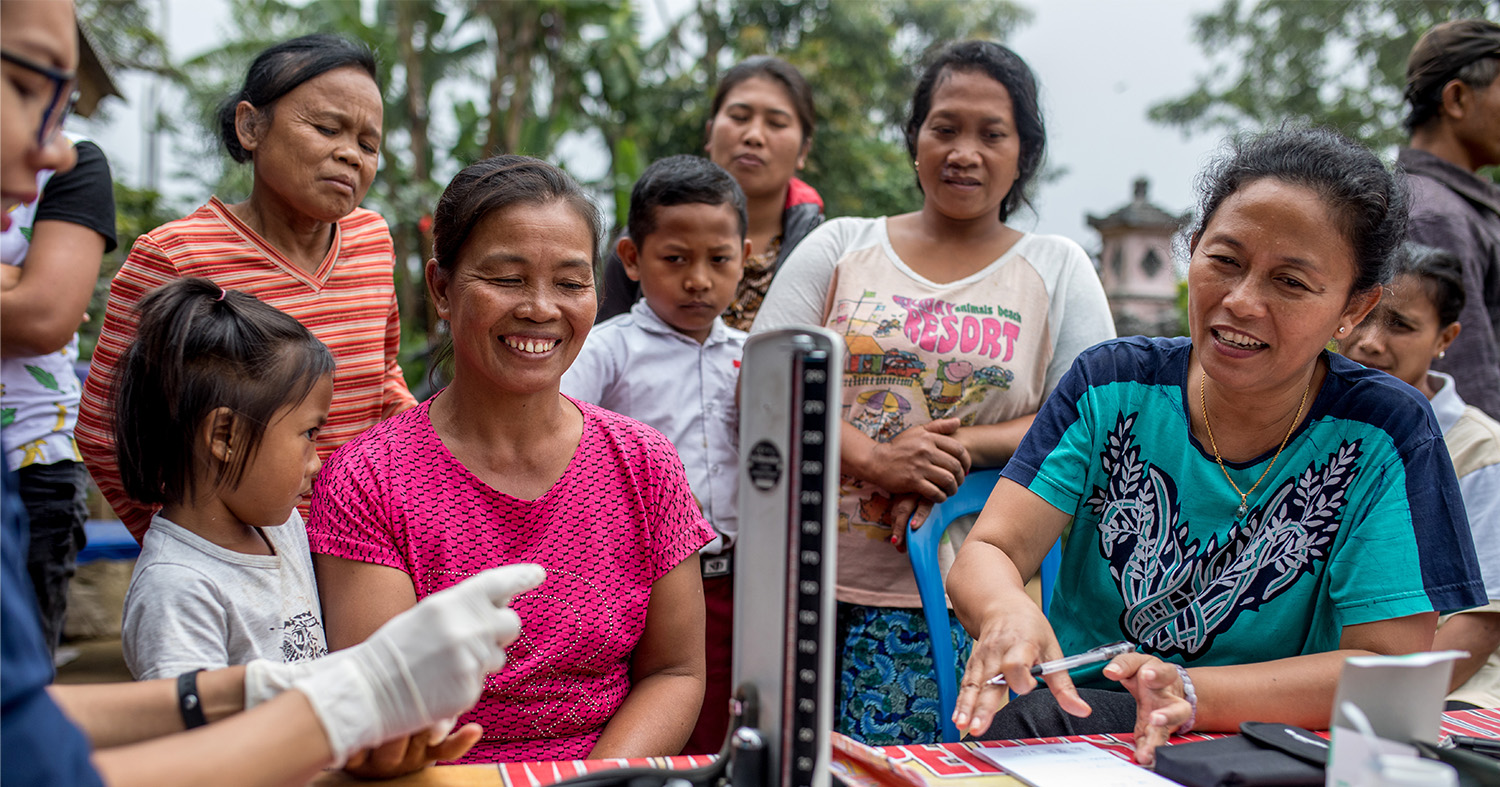
    Tanaoba Lais Manekat (TLM), the development agency of the Christian Evangelical Church in Timor, works with villages on Alor and Rote in East Nusa Tenggara (NTT) so mothers and children stay well and families can make a living through long term shifts in climatic conditions and weather patterns. At the heart of it are village health workers, local people trained by TLM to support pregnant women, new mothers and children who aren’t growing well. They monitor pregnant women for anaemia, teach healthy diets, and make sure no pregnancy goes unnoticed and unsupported.

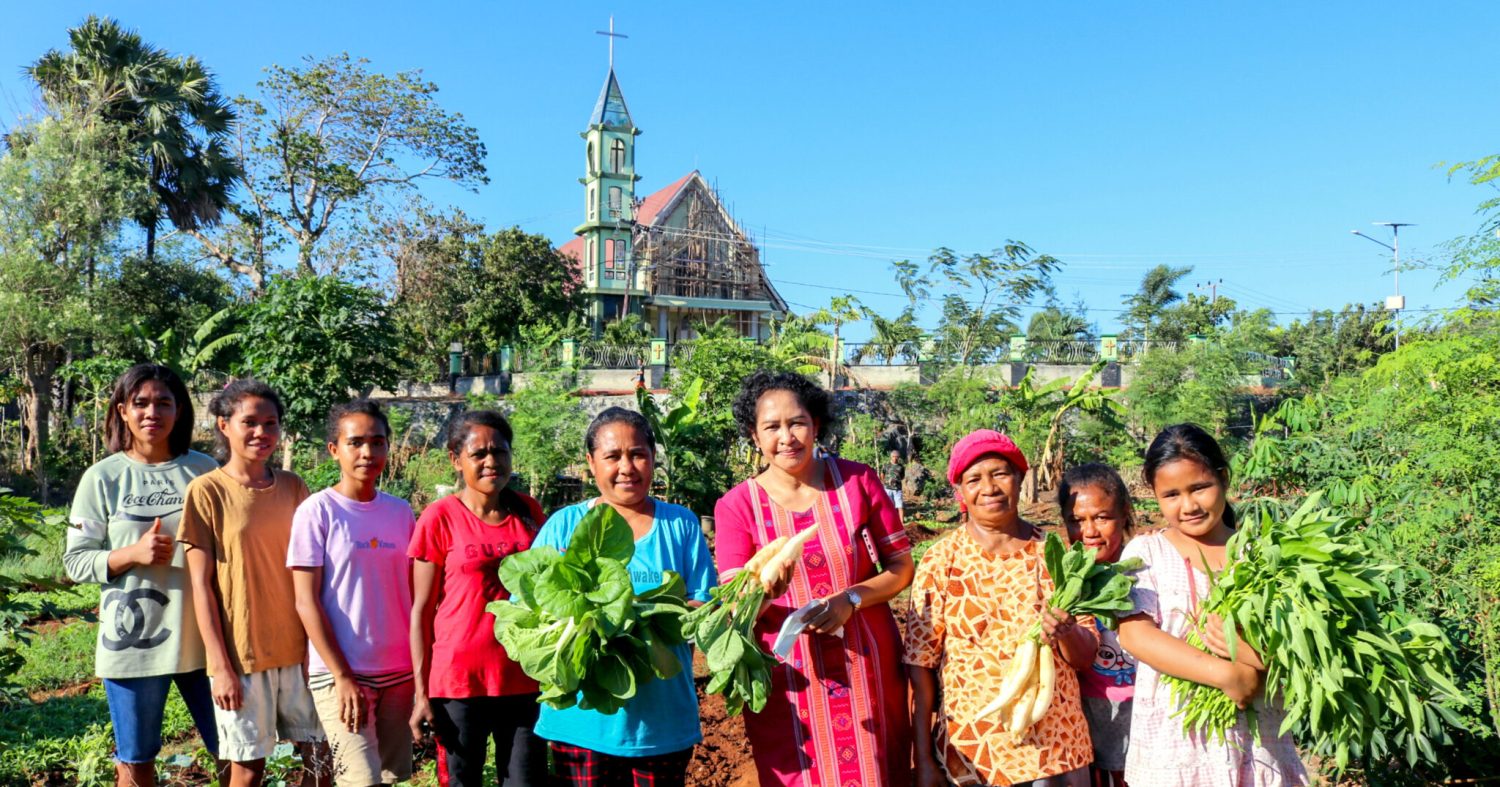
    Food starts at home. Families learn to grow vegetables in small yards, keep egg-laying chickens for protein and share the harvest from church gardens, so mothers and children eat better and surplus produce brings in a little income. Communities are also preparing for for storms, floods and drought, from planting mangroves on eroding shorelines to forming village disaster teams.

    An independent evaluation of the first phase of the project found the project contributed to a 51% fall in stunting. Village governments have noticed. In Kopidil, the village government now supports the village health workers with part of its own village fund, and other villages are copying the kitchen gardens and building the work into their village plans.

    “I feel grateful every time my efforts succeed in raising awareness about health for pregnant women, mothers, and families. It reminds me that big changes can begin with care, commitment, and small, consistent actions.”

    -Ance Ouwlaana, a community health worker with TLM

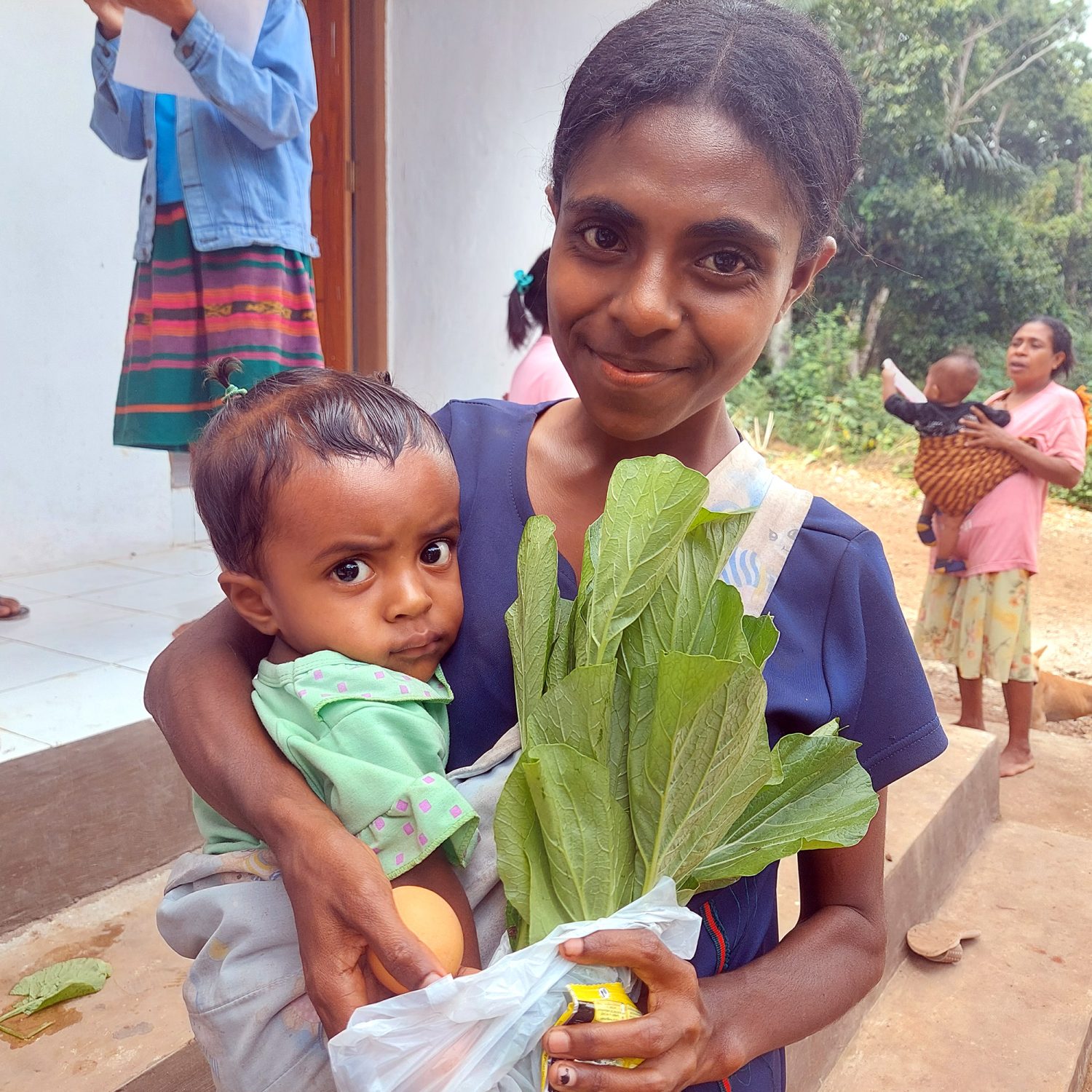
    Pictured: A young mother receiving fresh vegetables and health screenings to prevent malnutrition and stunting among mothers and babies in rural NTT

    Our partner

    Tanaoba Lais Manekat (TLM) is the development agency of the Christian Evangelical Church in Timor (GMIT). Working hand in hand with village governments and congregations on Alor and Rote, it has been UnitingWorld’s partner for years, and village leaders say its programs address the issues they face every day.

    Acknowledgment

    This project is supported by the Australian Government through the Australian NGO Cooperation Program (ANCP).

    Stories from our partners

    More stories from Indonesia and our partners in Asia.

    Growing sustainable livelihoods in West Timor

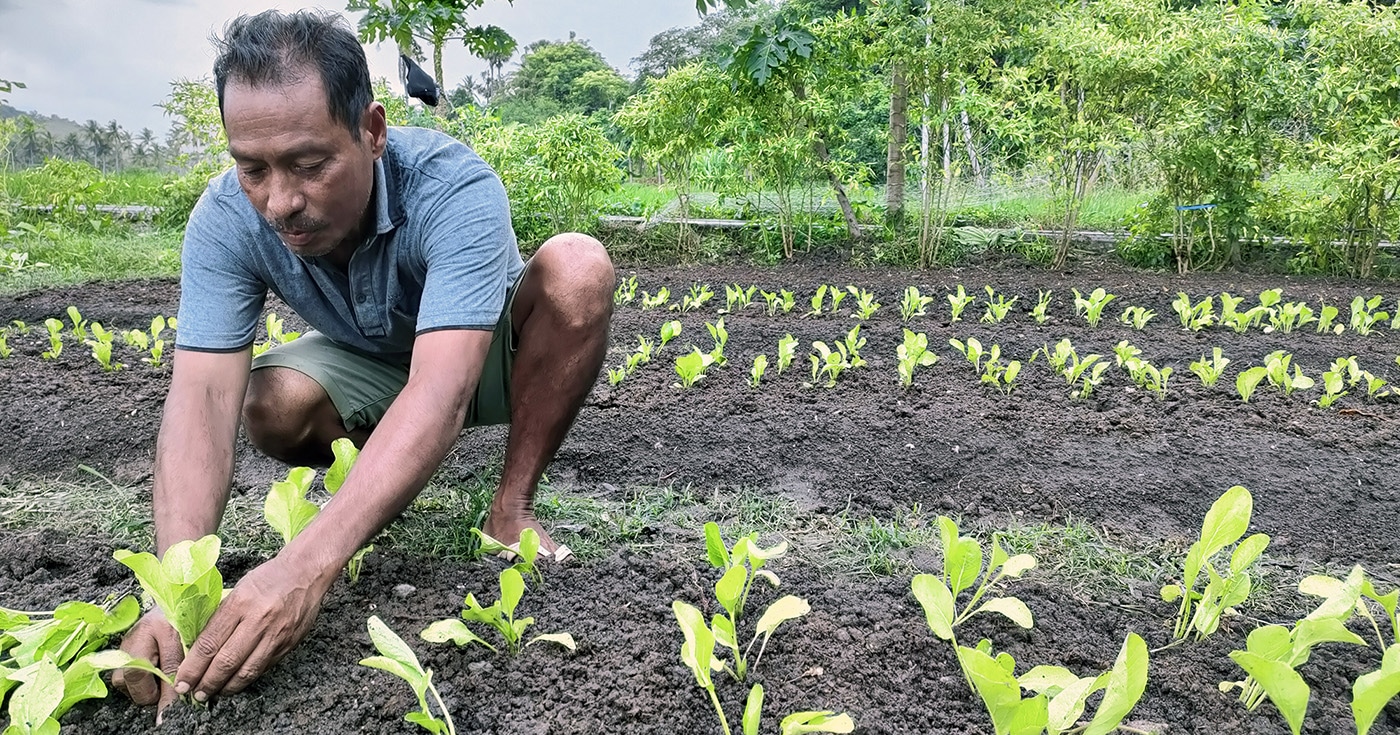
    Waluwanja gets up for work every day at 5am. After a drink of hot coffee, he’s straight into his back garden, clearing out weeds, watering each plant and making sure no pests are getting in. He grows all sorts of vegetables, but lately he’s been testing out mustard greens, carrots and rice paddies, which he […]

    Read more

    Becoming the good news in West Timor

    Even before she was conceived, Mery Kolimon had a calling. Her parents, Timorese nationals from one of Indonesia’s most beautiful archipelagos, dedicated their first child to God’s work even before Mery’s mother fell pregnant. It was a promise with a profound impact. Rev Dr Mery Kolimon is now the first woman to become Moderator of […]

    Read more

    Help mothers and children in eastern Indonesia stay well

    Your gift helps TLM train village health cadres, grow nutritious food at home and build the village support that keeps it going.

    October 26, 2026
  • Eastern Himalaya Climate Resilience and Community Development

    Eastern Himalaya Climate Resilience and Community Development

    Eastern Himalaya Climate Resilience and Community Development

    UnitingWorld is partnering with the Church of North India – Diocese of Eastern Himalaya to support a tea plantation community in India’s Darjeeling region. A community of 190 people are still recovering from a plantation closure that stripped them of income, housing and food security overnight.

    A helping hand

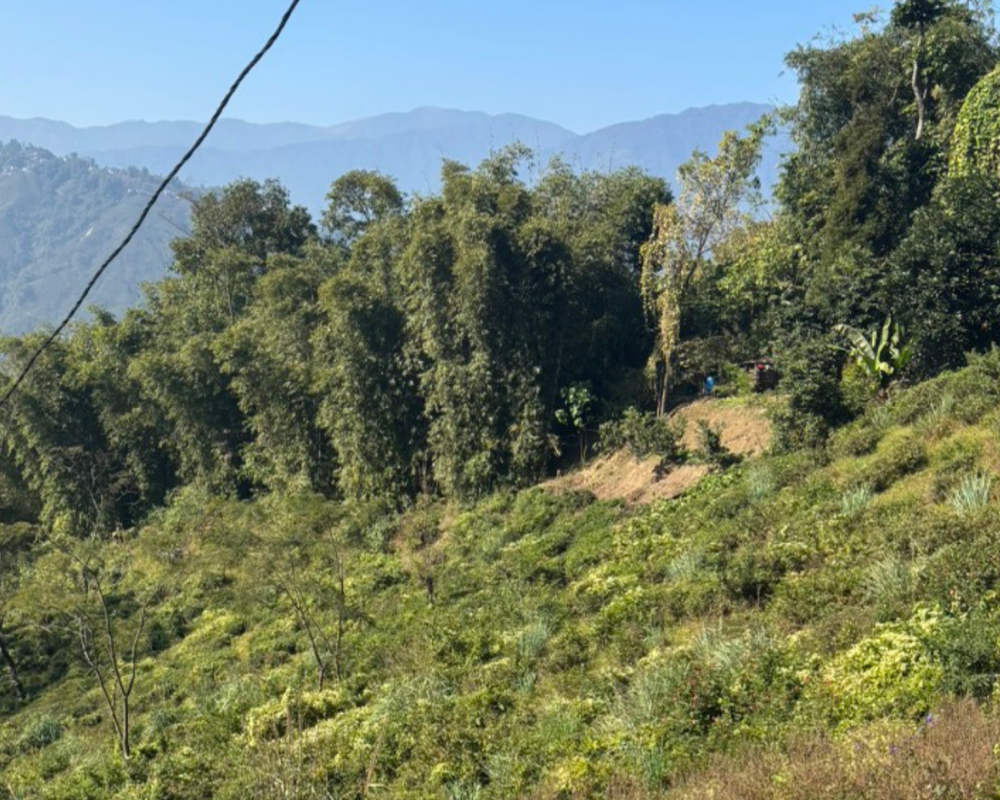
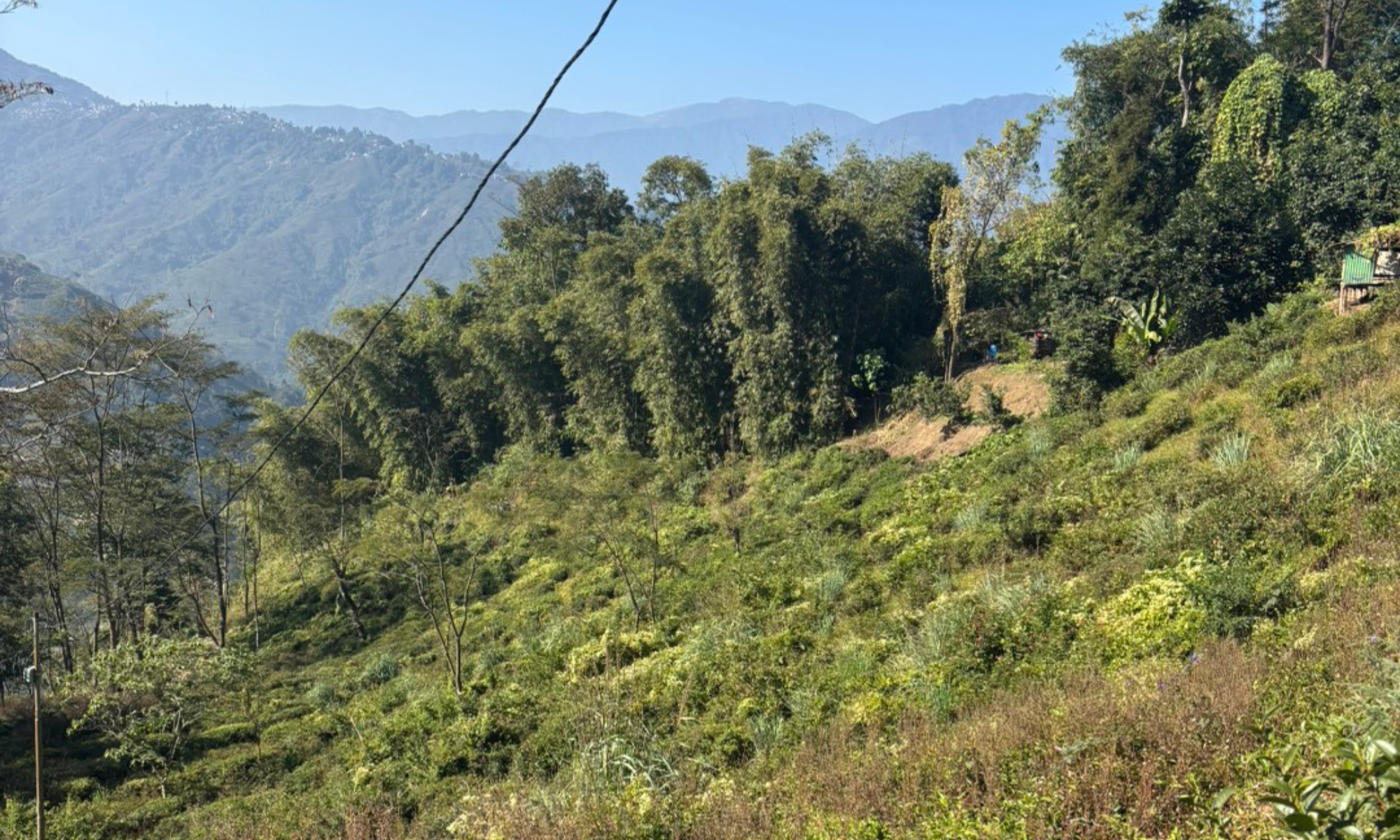
    The changing climate has made tea-growing in the hill country of the Eastern Himalaya less viable, so plantations have been abandoned by their operators. Communities that depended on the tea industry for their livelihoods have been left without options. With few transferable skills and increasingly severe climate impacts, including heavy rains, landslides and soil erosion, families have struggled to rebuild their lives.

    Our partner, the Diocese of Estern Himalaya, aims to provide a helping hand to vulnerable tea garden communities to achieve sustainable livelihoods, improved wellbeing and long term climate resilience.

    By introducing climate resilient agricultural and livelihood activities, including kitchen gardens and poultry farming, training in improved land management, and disaster risk reduction and preparedness, communities will have improved productivity, be more resilient to climate variability, safer from erosion and landslides, and ready for disasters.

    The Diocese will also provide access and support for vocational training and career pathways that enable employment or small business activities, with a focus on women, youth and people with disabilities. This is coupled with training in strengthened financial management capacity for households.

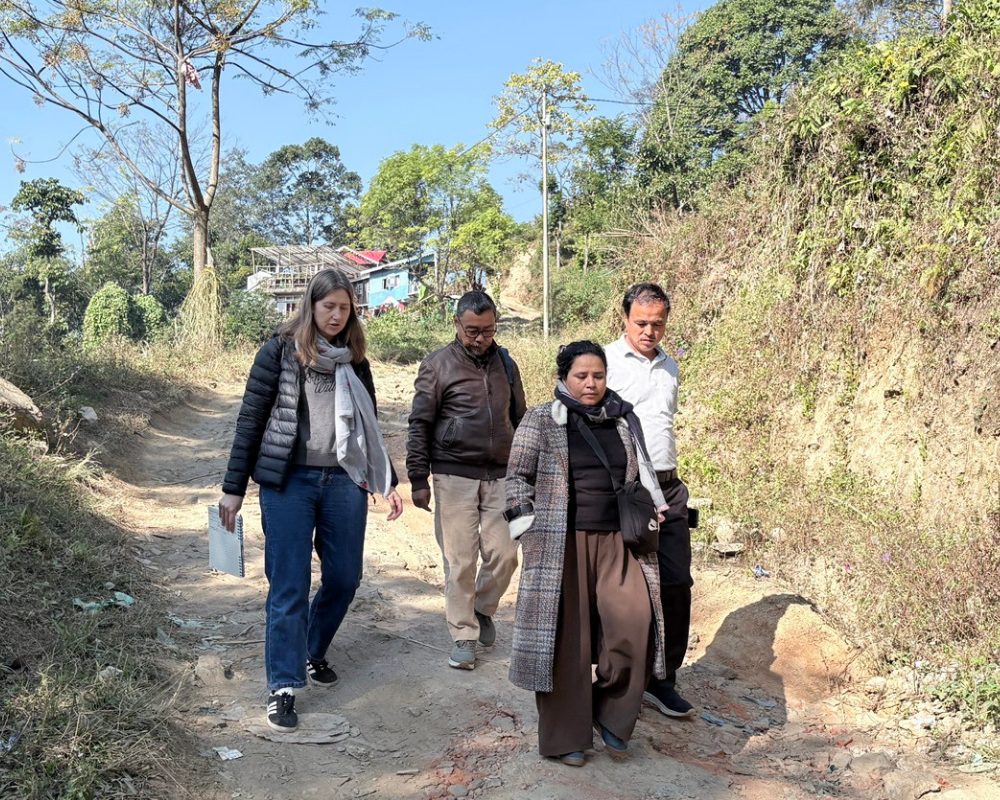
    “The community took us on a very intimate walk, showing us how they grow their food, their water sources and the landslides scattered throughout the area, and welcoming us into their homes. They shared their goals and dreams for their community, each family longing to shape their own future.”

    Rose Donovan, Senior Project Officer, UnitingWorld

    Stories from our partners

    More stories from Eastern Himalaya.

    New project takes root in former tea plantation in India

    UnitingWorld is partnering with the Church of North India – Diocese of Eastern Himalaya to support a tea plantation community in India’s Darjeeling region. A community of 190 people are still recovering from a plantation closure that stripped them of income, housing and food security overnight. With few transferable skills and increasingly severe climate impacts, […]

    Read more

    October 23, 2026
  • Climate-Sensitive Health and Livelihoods in Sumba and Bali

    Climate-Sensitive Health and Livelihoods in Sumba and Bali

    Climate-Sensitive Health and Livelihoods in Sumba and Bali

    East Sumba is one of Indonesia’s poorest regions, and droughts are making it harder to grow food and find clean water. Mothers and young children feel it first. In Bali, villages are facing plastic pollution and a changing climate.

    Donate now

    Healthy families, resilient villages.

    The Maha Bhoga Marga Foundation (MBM), the development agency of the Protestant Christian Church in Bali (GKPB), has spent more than 40 years working with families in Bali on health, food and livelihoods. More recently, it has taken that experience to Sumba, working with the Sumba Christian Church (GKS), because MBM has the capacity and expertise to share.

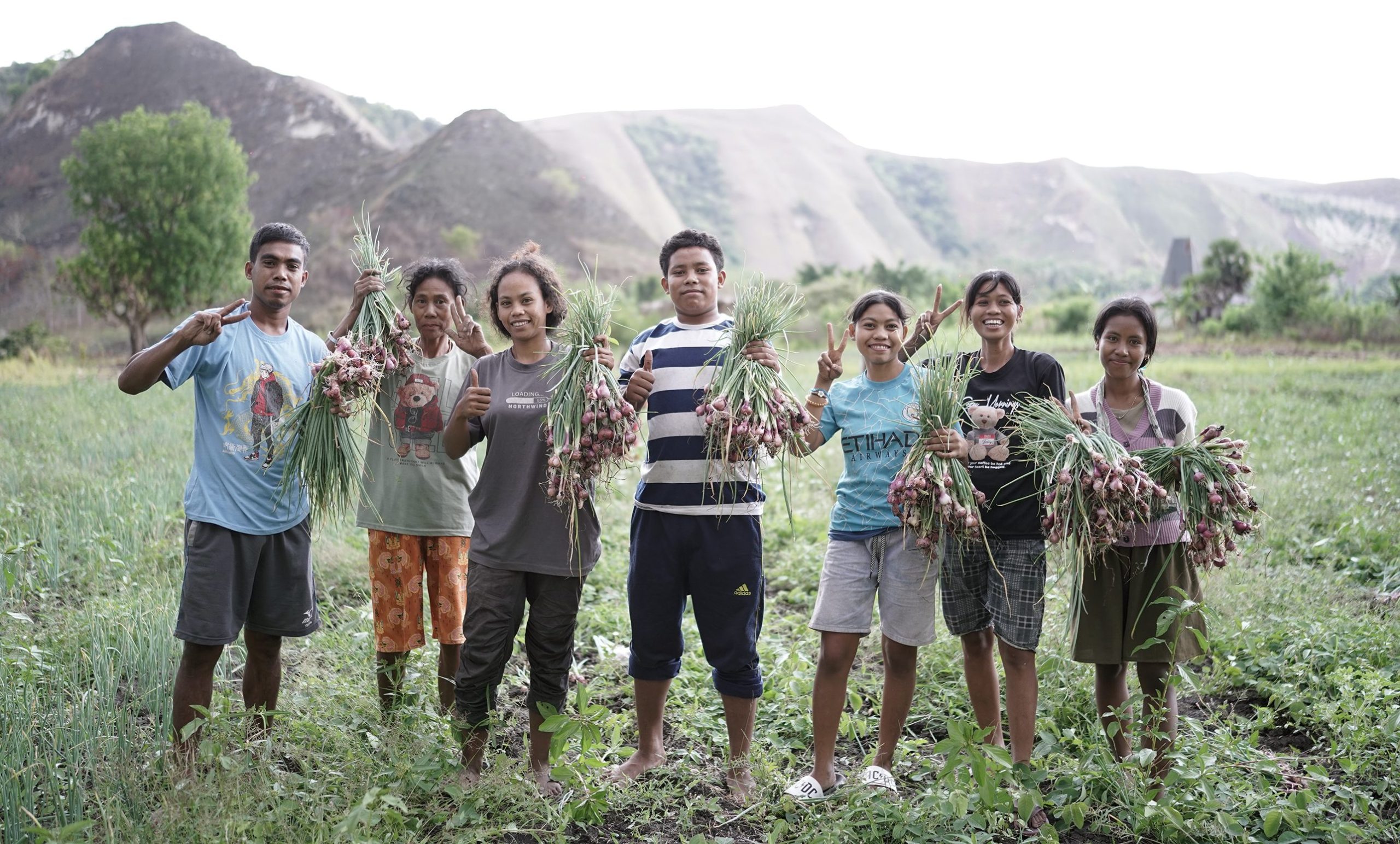
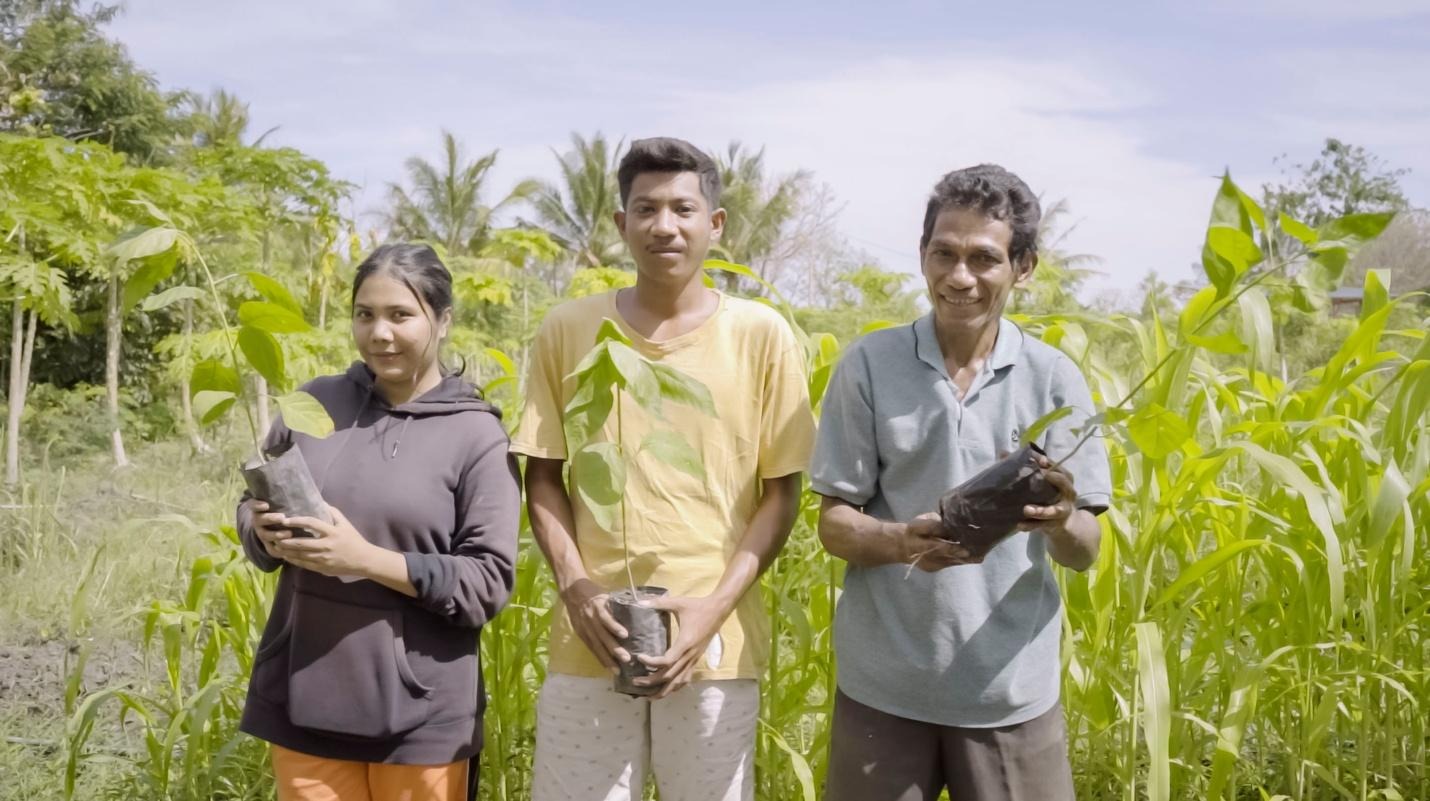
    The approach is the same on both islands. Trained village volunteers bring health education and ongoing mentoring to families, with women at the centre. Families grow kitchen gardens and keep chickens, so there’s nutritious food at home even in dry seasons, communities plant trees to protect their springs, and small businesses turn waste into income. In East Sumba, the aim is also to ease the hungry season so young people aren’t forced to leave.

    It’s already working. In Bali, Komang and Ni Luh learned kitchen gardening and business skills, and the income now pays their children’s school fees. In Sumba, Petrus Pandanga, a farmer and GKS member, has spent forty years persuading neighbours that the island can sustain them if they farm it differently. His demonstration farm is now part of a growing network of learning, because, as he puts it, “One person learns, and then brings two more.”

    “My hope is for my child to go to school, and for there to be enough to eat.”

    Semis, a rice farmer in rural Sumba

    Our partners

    Maha Bhoga Marga Foundation (MBM) is the development agency of the Protestant Christian Church in Bali (GKPB). For more than 40 years, it has worked with poor communities in Bali, running health programs, supporting survivors of domestic violence and standing with families through economic hardship. It now shares that experience in Sumba.

    The Sumba Christian Church (GKS) is the local church in East Sumba. In March 2025, its leaders and GKPB’s signed an agreement to work together, and GKS gave MBM office space in its compound, opened doors with the regional government, and helps MBM understand the local culture. The project grew out of a relationship between the two churches, not a plan drawn up from outside.

    Acknowledgement

    This project is supported by the Australian Government through the Australian NGO Cooperation Program (ANCP).

    Stories from our partners

    More stories from Sumba, Bali and our partners in Asia.

    When the young people disappear

    Every year, more young people leave Sumba. They go to Bali, or Java, in search of work and a future they feel their own island cannot provide. Fields go unplanted. Churches empty out. They leave and they don’t come back. UnitingWorld is supporting our church partners to change that.

    Read more

    Bali church chooses compassion over fear

    When migrants suddenly started turning up in Bali from the nearby island of Sumba, many people assumed the worst. Would they be a strain on housing, jobs and social harmony? One more group of outsiders to be tolerated or pushed aside? But for Rev Betha and her team at MBM (the development agency of the […]

    Read more

    Can we really end poverty in our world?

    Before the COVID-19 pandemic, significant progress had been made to alleviate poverty. In the first two decades of the millennium, global poverty rates had been cut by more than half and there was good reason to be optimistic about the future.  The optimism spurred world nations to come together in 2015 and agree to work […]

    Read more

    How we can end poverty – together!

    Here at UnitingWorld, we believe the most effective way to help people overcome poverty for good is sustainable development in partnership with local communities. Our partner church’s project to end poverty in rural Bali is a great example of the lives that we can change, and how by working together we make a bigger impact […]

    Read more

    A Prayer from Bali

        Pipit Purwadi MBM Foundation, Protestant Christian Church in Bali (GKPB)       Lord Jesus, we are grateful for Your presence in our lives. Towards the end of the year, there were many natural disasters around us. Floods, landslides, earthquakes, and volcanic eruptions. Previously, Covid-19 haunted our lives. Many of our brothers and […]

    Read more

    Empowering Voices in Community Decision-Making in Bali

    An estimated 202,000 people are experiencing poverty in Bali, and as COVID-19 continues to take its toll, that number is only expected to rise. With limited funding going to local governments, many people struggle to access the housing, electricity, water and other basic services they need. But for the most vulnerable groups, including women and […]

    Read more

    Thank you for helping our partners stand strong against COVID-19

    A huge thank you to everyone who has taken part in Lent Event and donated to projects that are helping our global neighbours stand strong against COVID-19. Over just the past few weeks, we’ve received $140,000, well on the way to our fundraising target of $330,000. People like Wayan and his wife (above), who benefited […]

    Read more

    Back to Bali (COVID-19 Update)

    With international borders still closed, and far fewer tourists visiting places like Bali, we spoke to our partners in Indonesia to find out what life is like in the grip of the pandemic. “People here are more worried about having no food and no jobs than about the pandemic,” says our Southeast Asia Regional Coordinator, […]

    Read more

    Cartoons to fight COVID-19

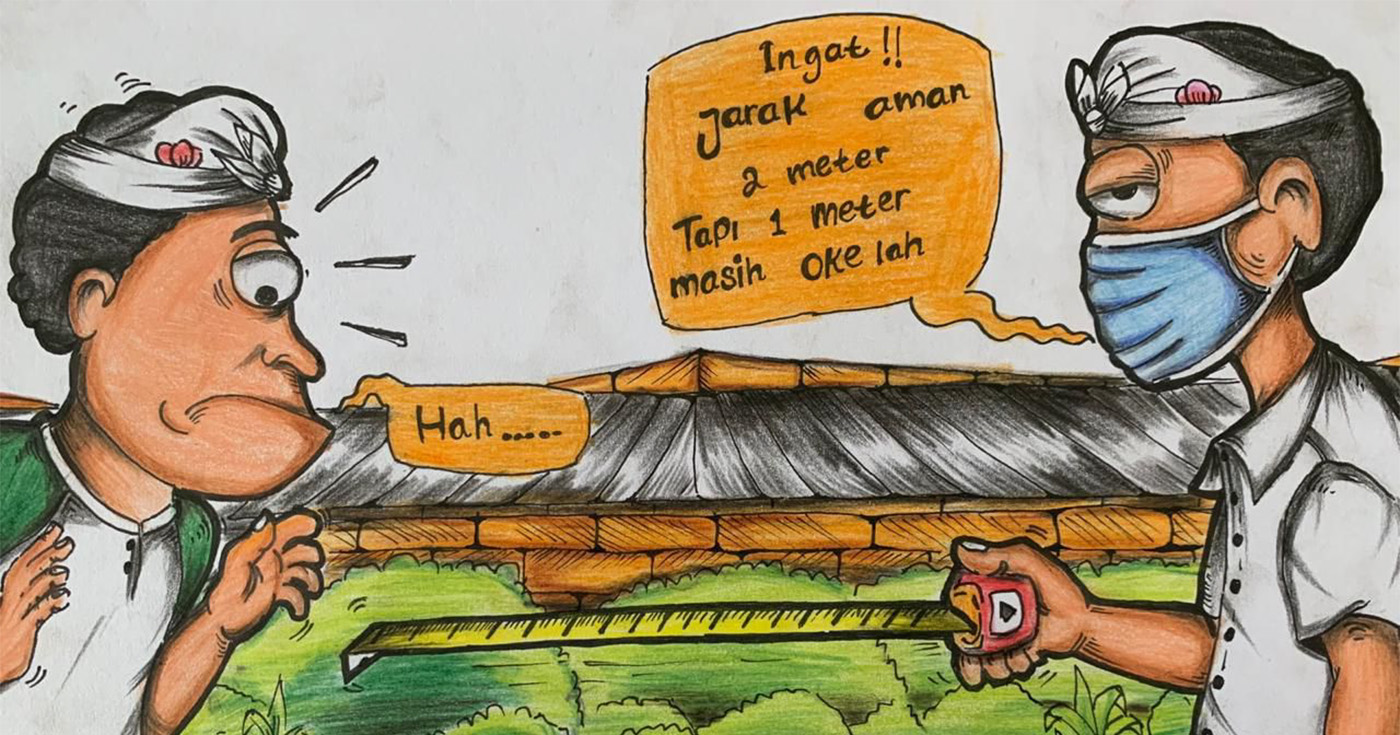
    Our partners in Bali have been finding innovative ways for children to stay safe, connected and spreading important information about COVID-19. As part of safety lockdowns to prevent the spread of COVID-19 in Indonesia, the Bali provincial government recommended all school children study at home. With children isolated in their houses, our partners MBM held […]

    Read more

    COVID-19 crisis response in Bali

    Last month our partner in Bali MBM provided food assistance to 2,338 people, health packages containing masks, soap and vitamins to 320 families and health education brochures to 708 families. 1,000 fruit and vegetable plants have been prepared to help improve the long-term food security and nutrition of people who lost work and must stay […]

    Read more

    How to create a ‘Model Village’

    Imagine two groups – one male, one female – crouched around a sheet of butcher’s paper. In regional Bali, Indonesia, village members have been asked to note on the image of a large clock what their activities are throughout the day, with men and women commenting on each other’s use of time. The results are […]

    Read more

    Biofuel beating poverty in Bali

    Dolores (name changed to protect privacy) has the most soulful eyes you could hope for on a cow. Part of her earnest expression, I’m pretty sure, has to do with her confidence that not only is she saving the planet – she’s going to give families a chance to end poverty.  Most of her daily […]

    Read more

    Goats’ Poo for Coffee

    In the mountains of Bali, where it is cool, 5 groups of people in a small community are working to breed goats provided through income generating opportunities by our partners MBM. More than 30% of people in the community are poor. Only 50% of children progress further than elementary school study and 20% of children […]

    Read more

    Help families in Sumba and Bali grow, stay healthy and weather the dry years

    Your gift helps the church and local villages grow nutritious food, protect their water and build steadier incomes.

    October 23, 2026
  • Hope grows in schools

    Hope grows in schools

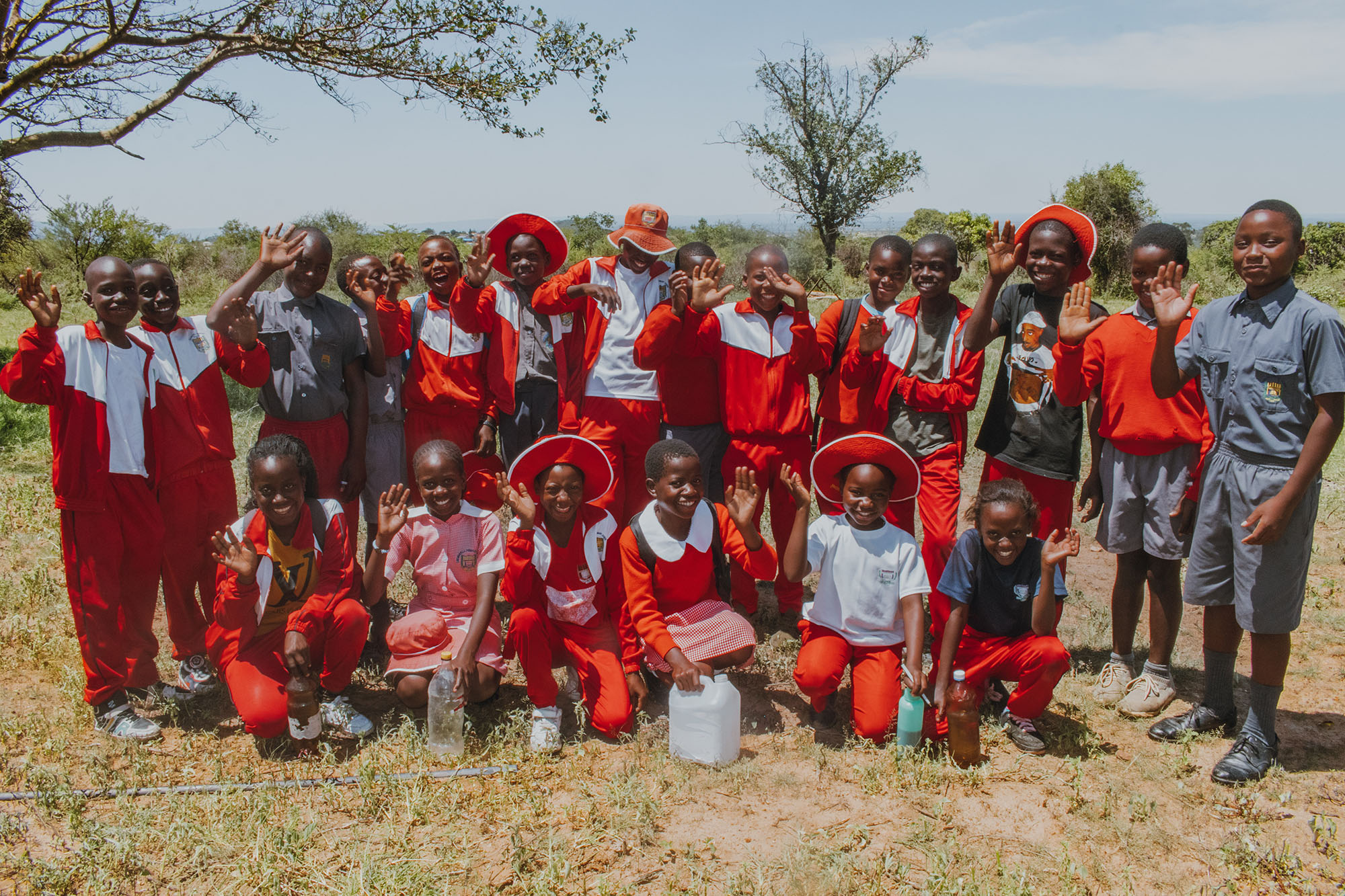
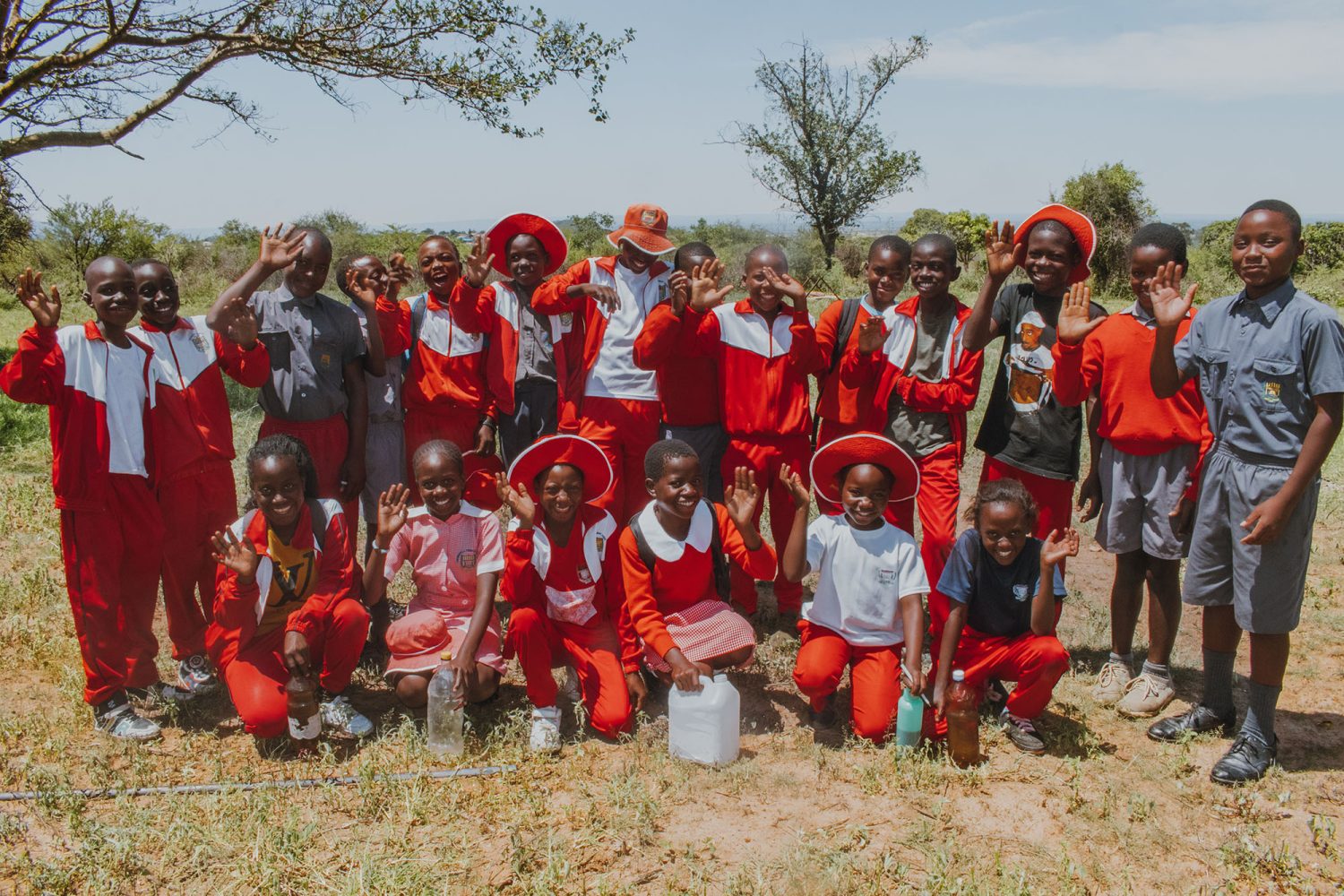
    Across rural Zimbabwe, families are facing long droughts, food insecurity and lack of clean water. Supported by UnitingWorld, the Methodist Church in Zimbabwe (MCZ) has begun working in schools to transform what is possible for children and families in poverty.

    Rev Junior Paradza is one of the leaders championing the new project.

    “It’s a difficult place,” Rev Junior says. “The problems are complex and cross over from the very practical, like hunger and disaster relief, to the fact that patriarchal and cultural beliefs mean women and girls have no voice and are vulnerable to high rates of abuse. All these things influence each other, and they don’t just impact the children but the adults too. People want change, but there’s a knowledge gap about how to make it happen.”

    Through the schools, our partners found the ideal place to bring together resources, training, policy and communities in need. Selected schools are becoming hubs not only for climate resilience, giving students access to freshly grown food and clean water, but also for sharing knowledge that changes how women and girls are treated and how people with disabilities could be included in their communities.

    Designed to impact not only students but their families and surrounding communities, Rev Junior believes the project will grow to reach more than 10,000 people.

    “As soon as we began providing guidance and resources, and the school staff knew this was really possible, they have become zealous in planning! They know that this will transform life not just for the families at the school now, but for generations to come.”

    Rev Junior Paradza, Methodist Church in Zimbabwe

    This project is supported by the Australian Government through the Australian NGO Cooperation Program (ANCP).

    Mirela

    October 23, 2026
    Blogs, News, Sustainable Livelihoods and Health (Zimbabwe)
  • When the young people disappear

    When the young people disappear

    Every year, more young people leave Sumba. They go to Bali, or Java, in search of work and a future they feel their own island cannot provide. Fields go unplanted. Churches empty out. They leave and they don’t come back. UnitingWorld is supporting our church partners to change that.

    Petrus Pandanga has watched this happen for forty years. He is 60 years old, a farmer and member of the Sumba Christian Church, and he has spent most of his working life trying to convince people that Sumba can sustain them if they farm it differently, think longer-term, plan further ahead.

    “When the planting season begins, family incomes are at their lowest,” he says. “That’s a huge obstacle. That’s what farmers feel.”

    He is describing the hungry season: the months between harvests when food runs low, rice prices double, and families with no savings and one harvest a year face a brutal choice. Borrow money they may not be able to repay just to survive, go without food, or leave.

    The statistics frame it starkly. Sumba is among the poorest regions in Indonesia, with nearly a third of its population living below the poverty line. But the numbers don’t capture what Petrus sees when he walks through villages: communities where virtually everyone under 40 has already gone.

    “If it continues,” he says, “it will create greater dependency. Young people only think about looking for work outside. The chance of food security being disrupted in the future is quite large.”

    Climate change has sharpened every edge of this crisis. It hasn’t necessarily made Sumba drier. It has made the seasons unpredictable. Rain that farmers could once rely on every year now comes later and less often. Crops planted in hope die in the ground. Replanting costs money families don’t have. An African Swine Fever outbreak stripped many households of their pigs, the traditional savings account, the financial backstop when everything else failed.

    Subsistence farming families like those in Sumba sit at the most vulnerable end of global economic and environmental shocks. They have no buffer: no savings, no insurance, no alternative income. When the rains shift by two weeks, when commodity prices spike, when a disease sweeps through the livestock, the consequences land immediately on families already living on the edge of not enough. The distance between a good year and a catastrophic one is measured in days of rain.

    So people leave. They take the boat to Bali, arriving without qualifications, without connections, and too often without an understanding of the cultural differences that await them. They find themselves in double poverty: struggling back home and struggling again at their destination without support.

    A church that looked to the root causes

    This is the pattern Rev Dr Betha Meidyawati, Director of UnitingWorld’s partner, the Maha Bhoga Marga Foundation (MBM), had been seeing in Bali for years.

    MBM is a foundation of the Protestant Christian Church in Bali (GKPB). For more than 40 years, it has worked with poor and vulnerable communities in Bali, running health programs, supporting survivors of domestic violence, and accompanying families through economic hardship. It is an organisation that is trusted by the people because it is deeply rooted in the communities it serves.

    But when Rev Betha reviewed MBM’s direction at the start of her leadership in 2023, she kept coming back to a question: why were so many of Bali’s most vulnerable migrants coming from Sumba?

    The answer was exactly what Petrus described: extreme poverty. Drought. Crop failure. A hungry season that came every year without fail. Communities with no safety net and no way to plan beyond the next harvest.

    “I prayed to God, asking for wisdom,” she says. “I was reminded of my experiences doing outreach to urban migrants in Bali. Many migrants shared that the primary driving factor for people from Sumba to seek work in Bali was extreme poverty.”

    The insight that followed was simple but significant. MBM had been supporting people after they arrived in Bali, after they got into trouble and ran out of options. What if MBM went to Sumba instead, and walked alongside the Sumba Church to help communities before desperation forced the journey?

    “Through this work, we hope to support vulnerable communities in Sumba at the roots of the problems, within their own villages, rather than only after they have already migrated to Bali and face new challenges.”

    “There are still many people living in poverty and vulnerability. Through shared efforts, accompaniment and compassion, these communities can be supported to rise, regain hope, and secure decent and healthy livelihoods.”

    Rev Dr Betha Meidyawati, Director,Maha Bhoga Marga Foundation, Protestant Christian Church in Bali
    Church to church, island to island

    What makes this story distinctive is that this was not a program designed in Sydney or Geneva or Canberra. It grew out of a relationship between two churches on different islands of Indonesia.

    In March 2025, the leaders of the Protestant Christian Church in Bali and the Sumba Christian Church (GKS) signed a Memorandum of Understanding, formalising a partnership built through deep conversations over preceding years. MBM gained office space within the GKS compound in Sumba. GKS leaders opened doors with regional government. A new collaborative project was born.

    “With the generous accompaniment of GKS leadership,” Rev Betha says, “MBM has been introduced to and supported in engagements with the East Sumba Regional Government. In many respects, the management and staff of MBM have also gained trusted partners for discussion and for learning the local cultural context.”

    It is a model the Uniting Church has long championed but doesn’t always get to see in practice: local churches leading transformation from within their own communities, with external partners walking alongside rather than dropping in with answers from outside.

    The project is now working across three villages in Sumba, bringing kitchen gardens, health education, water access, climate-resilient farming and sustained mentoring through trained village cadres. Women are at the centre. The program is built around the belief that food security, family health and women’s empowerment cannot be addressed separately but as a whole.

    Petrus is part of it. His demonstration farm, the place he has tended for decades, is now part of a broader network of learning and change.

    “Change doesn’t always start with many people. One person learns, and then brings two more. Those two tell others. Knowledge spreads like that.”

    Petrus (right)
    training farmers for the future

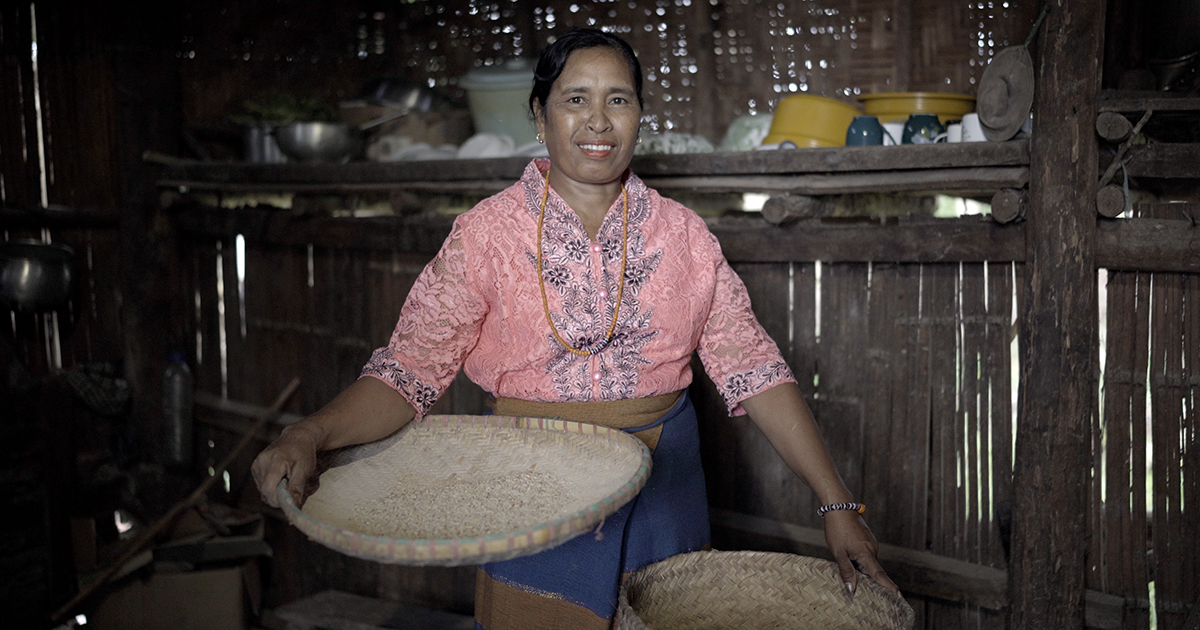
    For Semis, a farmer in the highlands, the vision is not abstract. She pounds rice by hand every morning to feed her family, because there is no mill nearby. She and her husband farm 20 acres of land, once a year, if the rains come. When the crop fails, they forage in the forest for wild plants and roots.

    Her hope she says, is “that my child can go to school, and that there will be enough to eat.”

    That hope, modest, practical and entirely achievable, is what this partnership is working toward.

    From scarcity, abundance. That is what is being built, church to church, island to island, together.

    rainwater collection

    Your gift helps break the cycle of poverty and hunger in the world’s poorest places.

    Poverty isn’t a failure of effort, it’s the result of systems stacked against people who have the least, or who were born into the world’s hardest places. Our church partners in Asia, Africa and the Pacific are changing things from the inside: building food security, bringing clean water closer to home, creating lasting livelihoods and walking alongside communities until the change sticks. 

    This project is supported by the Australian Government through the Australian NGO Cooperation Program (ANCP).

    Mirela

    October 23, 2026
    Campaigns, Climate-Sensitive Health and Livelihoods in Sumba and Bali, News
  • Theology of Disaster Resilience in a Changing Climate, Papua New Guinea

    Theology of Disaster Resilience in a Changing Climate, Papua New Guinea

    Disaster Resilience in a Changing Climate, Papua New Guinea

    Our partner, the United Church in Papua New Guinea, is supporting communities to address the challenges of disasters, changing climate, conflict and other threats and hazards through the Theology of Disaster Resilience in a Changing Climate (TDRCC) framework. 

    Working to prepare, ready to respond

    Theology of Disaster Resilience in a Changing Climate (TDRCC) is a unique framework and training program developed by UnitingWorld and our Pacific partners that connects Christian faith with ecological care and practical disaster preparedness. 

    Through this project, communities are supported to plan and implement effective, inclusive and integrated disaster risk reduction and climate change adaptation activities, including community-based workshops, action planning for community disaster resilience and preparedness, and mentoring and support for TDRCC trainers.

    Local civil society organisations are being supported to improve their institutional and technical capacity to lead preparedness and disaster response. 

    Ready for Cyclone Maila

    When Cyclone Maila hit islands in Milne Bay Province in April 2026, it wasn’t first time that the UCPNG disaster team had visited the affected communities. The church had already run disaster preparedness training and a TDRCC workshop. 
    When the cyclone came, some of the volunteers who’d been through that training were the ones ready to distribute water filters and rebuilding kits to their own neighbours. Preparedness didn’t just save time, it meant the response involved people the community already knew and trusted. 

    Our partner

    The United Church in Papua New Guinea (UCPNG) has its roots in the work of the London Missionary Society commencing in 1872, later joined by Australian Methodist Church missionaries. UCPNG was formed in 1968.

    UnitingWorld and UCPNG have been part of the Department of Foreign Affairs and Trade’s (DFAT) Church Partnership Program (CPP) since its beginning in 2004.

    Acknowledgement

    The current phase of this project is funded by private donations.
    Earlier phases of this work in PNG were funded by the Australian Government as part of the Australian Humanitarian Partnership (AHP), through Church Agencies Network Disaster Operations (CAN DO). 

    Stories from our partners

    More stories from Papua New Guinea.

    Emergency cyclone response in Milne Bay Province, PNG

    Category 5 Tropical Cyclone Maila passed over eastern Papua New Guinea between 6 and 8 April 2026, caused severe destruction across multiple provinces.  On the remote outer islands of Milne Bay Province, wells and gardens that sustain whole communities were damaged. In response, the United Church in Papua New Guinea (UCPNG), supported by the Australian […]

    Read more

    October 22, 2026
  • West Papua Livelihoods & Forest Conservation

    West Papua Livelihoods & Forest Conservation

    West Papua Livelihoods & Forest Conservation

    In Tambrauw, West Papua, Indigenous families farm by shifting cultivation, and unpredictable rains are cutting harvests and incomes. Logging by outside investors strips the forest and brings floods and new risks each year, and women and children are hit hardest, with more malnutrition and illness.

    Donate now

    Growing food, protecting the forest.

    Our partners, the Evangelical Christian Church in the Land of Papua (GKI-TP), through its new Climate Change Action Team, is working with communities in Tambrauw to help families feed themselves and earn a living through changing seasons, and to protect the forest that both depend on.

    The church helps families to grow kitchen gardens that keep children fed through dry spells, and to develop farming and small livelihoods that cope with unpredictable rain and bring in steady income without cutting down the forest. They are also training local health volunteers in each village to teach nutrition and hygiene and to prevent violence against women.

    Communities also speak up for their land. In consultations before the project began, people in Tambrauw mapped the climate risks they face themselves, as part of the project’s design. They use that kind of local evidence to press local government for stronger forest protection and disaster planning.


    “This is the first time people have come to ask us about our
    challenges and the changing environment.  Thank you.“

    -Maria, a community member who participated in climate and gender consultations in 2025

    Our partner

    The Evangelical Christian Church in the Land of Papua (GKI-TP) has served West Papuan communities since 1855. With more than 800,000 members, it’s the largest civil society organisation in West Papua, and in Tambrauw it’s the one institution present in nearly every community. Its leaders speak up for forests and Indigenous land rights, and we’re backing its Climate Change Action Team as it listens first, then builds food, income and forest protection with local families.

    Stories from our partners

    More stories from West Papua and beyond…

    Where the forest is called Mother

    “Papuans call the forest ‘mother’, the coast ‘child’, and the sea ‘father’. These are sacred relationships.” Albert, GKI-TP elder and conservationist West Papua is home to some of the world’s richest ecosystems. Ancient rainforests, sprawling mangrove swamps, and coral reefs teeming with life. Together with Papua New Guinea, this region holds the world’s third-largest rainforest, […]

    Read more

    Reaching the forgotten in West Papua

    Along the far north coast of West Papua, Indonesia, people are facing an intensifying struggle to survive on lands and seas that have sustained them for generations.

    Read more

    Investing in the skills of Papuan women

    On a small island out on a lake in West Papua, a group of women are crafting themselves out of poverty by keeping a disappearing local art tradition alive. The banks of their lake home skirt the far limits of Papua’s most modern city, Jayapura, but people here still travel between the islands using wooden canoes. Traditional bark paintings […]

    Read more

    In a place of extraordinary hardship, people still rise

    Earlier this year, I made a trip across West Papua. It’s just 150km north of Australia, but it feels a world away – one of the poorest regions in the Asia Pacific. Yet everywhere I went, what struck me most was the profound generosity and sense of community that bound people together. This runs deep in […]

    Read more

    Help families protect the forests that feed them

    Your gift helps the church and local communities in West Papua protect the forests they depend on, grow food that lasts and build steadier incomes.

    October 22, 2026
  • Resilient, Inclusive and Safe Communities in Fiji

    Resilient, Inclusive and Safe Communities in Fiji

    Resilient, Inclusive and Safe Communities in Fiji

    Through this project, our partner, the Methodist Church in Fiji, is working to ensure churches and communities provide safe and inclusive environments for women, children and other vulnerable groups, and to support churches and communities to be prepared to respond to and recover from natural disasters.

    Safe communities for everyone

    Gender equality, safeguarding and anti-violence is being built into MCIF policies, guidelines and training resources, such as the development of Sunday School and Youth curricula, premarital counselling resources, lectionaries for Family Week and 16 Days of Activism against Violence Against Women and Girls, the church’s first disability inclusion policy, and a Women in Church Leadership policy.

    Gender equality is being actively promoted in communities through Family Life Institutional Transformation (FLIT) community awareness and train the trainer activities. This builds on the previous years of Gender Equality Theology – institutional Transformation (GET-IT) work, but the new name better reflects the focus on children and young people, and the MCIF approach of engaging men and boys along with women and girls.

    Resilient and prepared

    To help communities prepare for disasters and become resilience to the effects of climate change, MCIF is using the Theology of Disaster Resilience in a Changing Climate (TDRCC) and Community-Based Disaster Risk Management (CBDRM) frameworks, rolling out training and action planning throughout the country. Stockpiles of relief supplies are being prepared in key locations and pastoral counselling capacity is being developed through the Disaster Recovery Chaplaincy Network.

    “We’re so grateful for our partnership with the Uniting Church in Australia because you helped the church kickstart disaster preparedness across the community, and now we’re working to embed the impact in ways that stick, using theology and indigenous wisdom. Vinaka.”

    Rev Tomasi Jale, TDRCC Coordinator, Methodist Church in Fiji

    Work in FY26

    3,029

    people trained about climate related hazards and disasters  

    181

    people trained in the theology of development and humanitarian response 

    330

    people learned about gender issues and women’s equal rights

    112

    people received training in disability awareness and inclusion

    “As I looked deep into the theology, it was something that transformed me: The way I see the world, the way I see my wife and my children and the way I see others. When we go out from the right interpretation of the Bible, that men and women were created in the image and likeness of God, that does not allow you to do any harm or abuse to anyone.”

    Rev Noa Turaganivalu, MCIF

    Our partner

    The Methodist Church of Fiji and Rotuma is the largest Christian denomination in Fiji. Along with the chiefly system and the Fijian government, the Methodist Church forms a key part of Fiji’s social power structure.
    MCIF has its roots in the first missionary work in 1830, when Tahitian teachers from London Missionary Society arrived. The Australian-based Wesleyan Missionary Society commenced work in 1835. The Methodist Church of Fiji and Rotuma is a member of the World Council of Churches, the Pacific Conference of Churches, the Fiji Council of Churches and the World Methodist Council.

    Acknowledgement

    This project is supported by the Australian Government through the Australian NGO Cooperation Program (ANCP).

    Stories from our partners

    More stories from Fiji.

    New devotional series for 16 Days of Activism Against Gender-Based Violence

    UnitingWorld is thrilled to announce the launch of a new devotional series developed by Pacific church and faith leaders in collaboration with UnitingWorld: 16 Days of Devotions: A devotional series for use during the 16 Days of Activism Against Gender-Based Violence.

    Read more

    Deepening our impact on gender justice

    It’s the ten-year anniversary of the Gender Equality Theology resources, which ignited a collaborative movement across the Pacific Church. That movement has been working to reshape how families and intimate partners across the region share power, partnership and faith ever since.

    Read more

    Pacific Partners gather in Fiji to share knowledge, strengthen solidarity

    20–24 April 2026 | Nadi, Fiji Church and community partners from across the Pacific came together in Nadi, Fiji this week for UnitingWorld’s Pacific Regional Forum 2026, a week of listening, learning and renewing commitment to shared mission. Participants joined from Fiji, Papua New Guinea, Tonga, Vanuatu, Solomon Islands, Tuvalu, Kiribati and Samoa, alongside UnitingWorld […]

    Read more

    Pasifika churches unite to drive gender equality and safety

    UnitingWorld launches regional initiative to support faith-led collaboration on gender justice UnitingWorld and its church partners in the Pacific have launched the Oceania Faith Communities Advancing Safety and Equality project, with support from the Pacific Women Lead at the Pacific Community (PWL at SPC) program. Each of our church partners brings unique strengths to efforts […]

    Read more
    Uniting Church in Australia President, Rev Charissa Suli, MCIF President Rev Dr Semisi Turagavou, and UnitingWorld National Director Dr Sureka Goringe at the MCIF Conference in Suva, Aug 2024

    Methodist Church in Fiji adopts groundbreaking disability and disaster management policies

    The Methodist Church in Fiji (MCIF) has adopted policies to ensure church-wide approaches to inclusion of all people with disabilities, and to build the capacity of the church to prepare for and respond to disasters.  The first of their kind, the MCIF Disaster Risk Management Policy and MCIF Disability Inclusion Policy were adopted at the […]

    Read more

    Faith that transforms violence: Rev Noa and the power of Gender Equality Theology

    Growing up, Rev Noa Turaganivalu had a typical life for a boy in Fiji. He was raised in a rural village on a small, remote island, played a lot of rugby and went away to a boarding school (where he played more rugby). And as the only son in a family of six, he was […]

    Read more

    October 22, 2026
  • Humanitarian response to Cyclone Maila in PNG

    Humanitarian response to Cyclone Maila in PNG

    Humanitarian response to Cyclone Maila in PNG

    Category 5 Tropical Cyclone Maila brought catastrophic winds, extreme rainfall, flooding and landslides when it passed over eastern Papua New Guinea between 6-8 April 2026, with the worst impacts in Bougainville and Milne Bay Provinces. The humanitarian response was coordinated through UnitingWorld and the United Church in Papua New Guinea.

    Donate now

    Clean water, rebuilt homes

    Cyclone Maila tore through eastern Papua New Guinea over three days in April 2026, its worst damage landing on the remote outer islands of Milne Bay Province, places where saltwater intrusion or a flattened garden aren’t just an inconvenience. They destroy the main source of food and water a community has. 

    Help was on its way. The United Church in Papua New Guinea (UCPNG) began procuring supplies to go out to the worst-hit islands with water filters, tarpaulins and tools to rebuild. 
    Water filtration systems were provided to supply clean water after wells were ruined by storm surge and salination, alongside training so communities can maintain them long after the team leaves. Tarpaulins and rebuilding kits, including nails, saws, hammers and bush knives, were supplied to help households repair their damaged homes.

    Supporting future resilience

    With El Niño-driven dry conditions forecast for the months ahead, a separate risk is layering on top of the cyclone’s damage, so the team is already planning for what comes next. 

    “We’re working to ensure people impacted by the cyclone can settle back to their normal lives, but more than that, that they are better prepared for the next disaster … We see this as critical because of the El Niño that is predicted to devastate this region in the coming months.”

    Clement Nusama, UCPNG’s Emergency Response Team

    Our Partner

    The United Church in Papua New Guinea (UCPNG) has its roots in the work of the London Missionary Society commencing in 1872, later joined by Australian Methodist Church missionaries. UCPNG was formed in 1968.

    UnitingWorld and UCPNG have been part of the Department of Foreign Affairs and Trade’s (DFAT) Church Partnership Program (CPP) since its beginning in 2004.

    Acknowledgement

    UnitingWorld is the lead agency in the Cyclone Maila response in Papua New Guinea, along with local partner, United Church in Papua New Guinea, with funding from the Australian Government as part of the Australian Humanitarian Partnership (AHP), through Church Agencies Network Disaster Operations (CAN DO). 

    Stories from our partners

    These are the stories behind the work.

    Emergency cyclone response in Milne Bay Province, PNG

    Category 5 Tropical Cyclone Maila passed over eastern Papua New Guinea between 6 and 8 April 2026, caused severe destruction across multiple provinces.  On the remote outer islands of Milne Bay Province, wells and gardens that sustain whole communities were damaged. In response, the United Church in Papua New Guinea (UCPNG), supported by the Australian […]
    Read more

    You can help communities impacted by Cyclone Maila.
    Your gift supports the work of our partner United Church in Papua New Guinea (UCPNG) in communities to recover from Cyclone Maila.

    October 22, 2026
1 2
→

UnitingWorld is the international aid and partnerships agency of the Uniting Church in Australia.

1800 998 122
Donate
  • About
  • Annual reports
  • FAQ
  • Contact us
  • Make a complaint
  • Policies

As a member of ACFID, UnitingWorld is held accountable to the highest standards of governance, financial transparency and effectiveness in our work.

UnitingWorld gratefully acknowledges the support of the Australian Government through the Australian NGO Cooperation Program (ANCP).

We acknowledge the sovereign First Peoples of the lands on which our office is located, the Gadigal People of the Eora Nation.

Privacy Policy

Website by Creative Freedom

© UnitingWorld 2026. ABN 47 817 183 926. Level 3, 262 Pitt Street Sydney NSW 2000

Follow us on:

  • Facebook
  • Instagram
  • Bluesky